Pensacola's Historic Downtown: A Walking Tour
Explore centuries of history while enjoying modern attractions in this charming coastal city.
By History & Culture Team
Overview
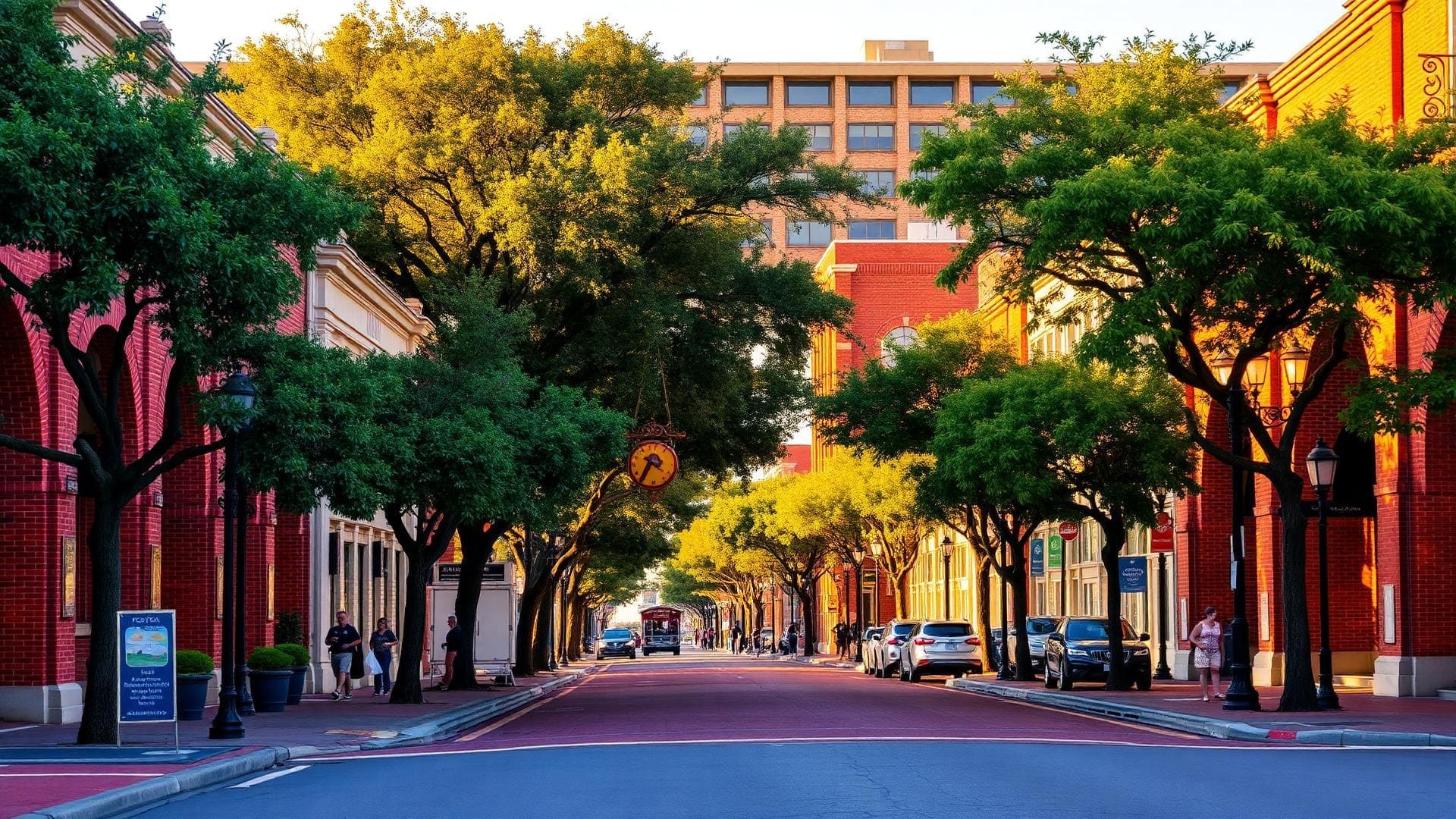
Downtown Pensacola is one of the most historically rich and architecturally fascinating neighborhoods in the American South, a place where four centuries of colonial history unfold along tree-shaded streets lined with buildings spanning Spanish, French, British, and American architectural traditions. A walking tour through this compact historic district reveals layers of Gulf Coast history that few coastal destinations can match — from the original Spanish settlement sites to Victorian-era commercial buildings to the vibrant cultural scene that has revitalized the district in recent years.
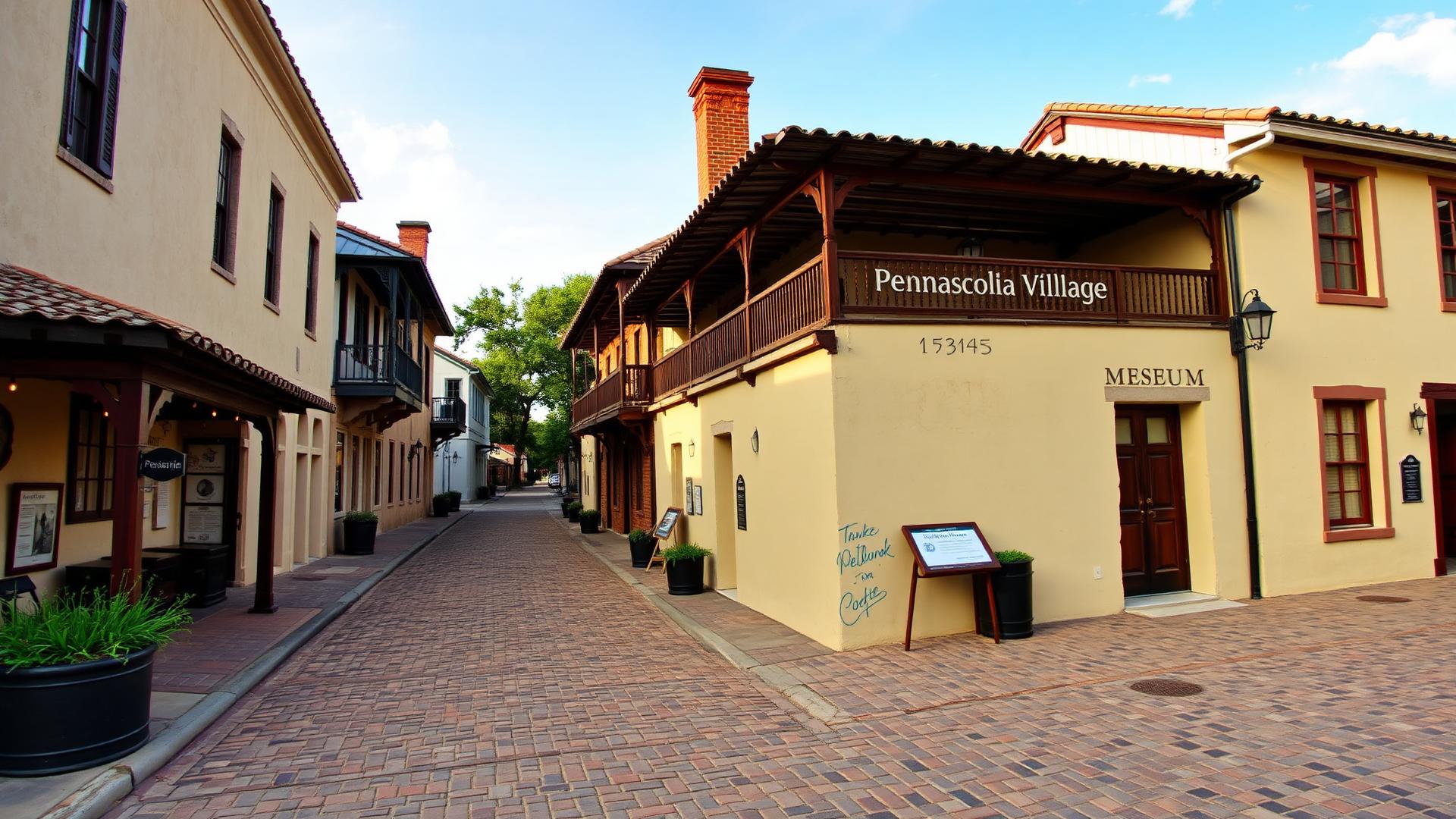
What makes the Pensacola historic downtown walking experience unique is the density and diversity of what you encounter within a remarkably walkable area. In the space of a few blocks, you move through centuries of architectural evolution, each building telling a story about the forces — colonial ambitions, military strategy, commerce, and community — that shaped this resilient Gulf Coast city. It is living history at its most accessible.
Why This Walking Tour Is Popular
Pensacola holds the distinction of being one of the oldest European settlements in the United States, with a history that predates both Jamestown and Plymouth. The Spanish explorer Don Tristán de Luna y Arellano established a colony here in 1559, and the subsequent centuries brought five different flags over the city — Spanish, French, British, Confederate, and American. This complex colonial heritage has left an architectural and cultural legacy that is concentrated in the downtown historic district.
The walking tour's popularity stems from its accessibility and the quality of preservation that Pensacola has achieved. Unlike many historic districts that feel like outdoor museums, downtown Pensacola is a vibrant, functioning neighborhood where historic buildings house active restaurants, shops, galleries, and residences. The preservation effort has maintained the authentic character of the streetscapes while allowing adaptive reuse that keeps the district alive and evolving.
The compact geography makes walking both practical and enjoyable. The core historic district covers roughly 30 blocks, easily explored in two to three hours at a comfortable pace with stops for photographs, refreshments, and detailed examination of notable buildings. The flat terrain and generally mild weather make this tour accessible to visitors of all fitness levels, and the shade provided by mature live oaks and magnolias offers relief even during warmer months.
What Makes This Tour Unique
The Seville Historic District, the heart of any Pensacola walking tour, contains one of the most impressive concentrations of historic structures in the Southeast. The Colonial Archaeological Trail marks the locations of the original Spanish settlement, with interpretive markers that help visitors visualize the colonial-era layout. Walking these streets, you literally tread the same ground where Spanish colonists, British soldiers, and American pioneers built their lives over four centuries.
Pensacola Village, a complex of restored 18th and 19th-century buildings operated by the University of West Florida, provides the most immersive historical experience on the tour. The Museum of Commerce recreates a turn-of-the-century streetscape, while the Museum of Industry documents the timber, fishing, and naval stores industries that drove Pensacola's economy. The Julee Cottage, one of the oldest surviving structures, tells the remarkable story of a free woman of color who owned property in antebellum Pensacola.
The architectural variety encountered on the tour is genuinely remarkable for a city of Pensacola's size. Spanish colonial structures with thick masonry walls and interior courtyards stand alongside French Creole cottages raised on piers, Georgian commercial buildings with formal proportions, and exuberant Victorian residences adorned with ornate millwork. This stylistic diversity reflects the city's multicultural heritage in tangible, visible form.
Best Time to Visit
Spring (March through May) offers the ideal conditions for a walking tour. Temperatures are warm but not oppressive, the azaleas and magnolias are in bloom throughout the historic district, and the tourist crowds have not yet reached summer levels. The soft spring light is particularly flattering for photographing the historic architecture, and the comfortable temperatures allow for extended exploration without heat-related fatigue.
Fall (October through November) provides equally excellent touring conditions. The summer heat has broken, humidity drops significantly, and the historic district takes on a warm, golden quality in the autumn light. Several fall festivals and events enliven the district, including the Great Gulfcoast Arts Festival and the Foo Foo Festival, which add cultural programming to the historical experience.
Winter visits (December through February) offer the lowest crowds and comfortable temperatures for walking, though occasional cold fronts can bring chilly weather. The holiday season is particularly charming, with many historic homes and commercial buildings decorated in period-appropriate style. Summer touring is possible but requires early morning starts to beat the heat and humidity — beginning by 8 AM and finishing before noon is the strategy experienced visitors employ.
Nearby Beaches and Attractions
Pensacola Beach, located on Santa Rosa Island across Pensacola Bay, provides the perfect complement to a historic downtown tour. The sugar-white sand and emerald waters of the Gulf Islands National Seashore offer some of the most pristine beach scenery in the country. The drive across the Pensacola Bay Bridge and Three Mile Bridge is scenic, and the beach community offers casual dining and water sports that balance the cultural focus of the downtown experience.
The National Naval Aviation Museum at Naval Air Station Pensacola is one of the largest and most impressive aviation museums in the world, with over 150 restored aircraft spanning the history of naval aviation. The museum is free to visit Pensacola and includes an IMAX theater, flight simulators, and the opportunity to watch Blue Angels practice sessions from the museum grounds. It is easily one of the top attractions in northwest Florida. For dog owners, check our Pensacola dog beaches guide.
Fort Pickens, located at the western tip of Santa Rosa Island within the Gulf Islands National Seashore, provides both historical significance and natural beauty. This massive pre-Civil War fortification, where Apache leader Geronimo was imprisoned, offers fascinating exploration of military architecture while its surrounding beaches and nature trails provide excellent wildlife viewing. The fort's sunset views over the Gulf are among the most photographed scenes on the Emerald Coast.
Where to Stay
Staying in the historic district itself maximizes your walking tour experience and eliminates the need for a car during your exploration. Several boutique hotels and bed-and-breakfasts in restored historic buildings offer accommodations that are extensions of the historical experience. The Lee House and the Pensacola Victorian are particularly notable for their architectural character and hospitality.
The Palafox Street corridor, the main commercial spine of downtown, provides the most convenient access to restaurants, galleries, and nightlife that complement the daytime walking tour. Hotels along Palafox or within a block or two put you at the center of Pensacola's cultural revival, where evening activities include craft cocktail bars, live music venues, and farm-to-table restaurants that have earned regional recognition.
For visitors who want to combine the historic tour with beach time, accommodations on Pensacola Beach offer a resort experience with downtown Pensacola a 20-minute drive away. This approach works well for multi-day visits where you can dedicate mornings to historical exploration and afternoons to beach activities. The beach community's restaurants and bars provide a relaxed evening atmosphere that contrasts nicely with the more refined downtown dining scene.
Local Tips
Begin your walking tour at the Pensacola Visitor Information Center on Palafox Street, where staff can provide current maps, event information, and recommendations tailored to your interests. The center also offers information about guided tours led by local historians, which add depth and storytelling that self-guided walks cannot match. These guided options are particularly valuable for first-time visitors.
Wear comfortable walking shoes with good support — the historic district includes brick streets, uneven sidewalks, and occasional cobblestone sections that can be treacherous in sandals or heels. A hat and sunscreen are essential even during cooler months, as the Gulf Coast sun can be intense. Bring a water bottle and refill at the many restaurants and shops along the route.
Plan your tour to include a stop at one of the historic district's excellent coffee shops or restaurants. The Palafox Market on Saturday mornings (seasonal) offers a wonderful mid-tour break with local produce, artisan foods, and crafts. Several restaurants along Palafox Street serve outstanding lunch specials that provide fuel for afternoon exploration.
Photography enthusiasts should note that the best architectural photography happens during the golden hours — the first hour after sunrise and the last hour before sunset — when the warm, directional light emphasizes texture and depth in the historic facades. Early morning also provides the advantage of empty streets, allowing unobstructed views of the buildings without parked cars and pedestrians.
Book Your Beach Getaway
Find the best deals on flights, hotels, and car rentals for your perfect beach vacation.