Indian Ocean Island Escapes: Seychelles, Mauritius & Madagascar
Three Indian Ocean island nations compared — from the Seychelles' granite coves to Mauritius' reef lagoons and Madagascar's wild, untamed coastline.
By BeachLoco Editorial
The western Indian Ocean holds three island nations that, despite their geographic proximity, offer radically different versions of tropical paradise. The Seychelles presents sculpted granite beaches and pristine reef systems across 115 islands. Mauritius wraps volcanic peaks in sugar cane fields and surrounds itself with an almost continuous barrier reef. Madagascar — the world's fourth-largest island — delivers a coastline so varied and ecologically unique that it functions less like an island and more like a small continent with its own evolutionary timeline.
Choosing between them depends on what you want your island escape to feel like. The Seychelles delivers rarefied luxury against geological drama. Mauritius offers polished resort experiences with multicultural cuisine. Madagascar rewards the adventurous with landscapes and wildlife found nowhere else in the world. If you're planning a trip to a beach destination, you might also be interested in "Florida's Best Beaches: A Comprehensive Guide" found here: Florida's Best Beaches.
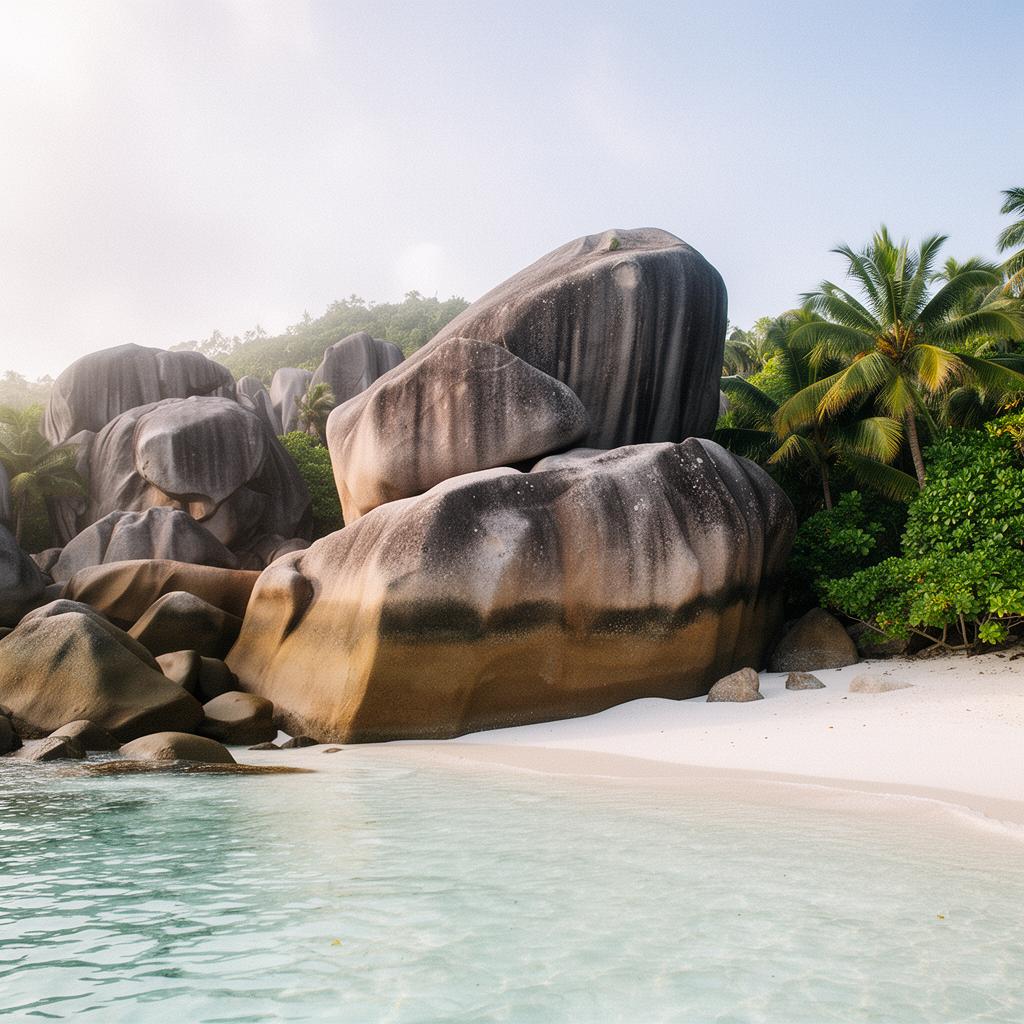
## The Seychelles: Geology as ArtThe Seychelles' inner islands are the world's only mid-ocean granitic islands, fragments of the ancient supercontinent Gondwana.
### Mahé: The Hub**Beau Vallon** is the most developed beach — a wide crescent with calm water and snorkeling reefs. **Anse Intendance** catches enough swell for body surfing with a completely undeveloped character. **Anse Soleil** rewards with a tiny, boulder-framed cove.
The **Morne Seychellois National Park** covers 20% of Mahé with hiking trails through mist forest to 905 meters.
### Praslin: The GardenThe **Vallée de Mai** UNESCO site protects the coco de mer palm. **Anse Lazio**, regularly ranked among the world's finest beaches, features a wide crescent of fine white sand with granite boulders at each end.
### La Digue: The PostcardLa Digue moves at a pace that even other Seychelles islands find relaxed. Bicycles remain primary transport. **Anse Source d'Argent** delivers the sculptural granite landscapes that define the archipelago.
Mauritius: The Reef-Wrapped Volcano
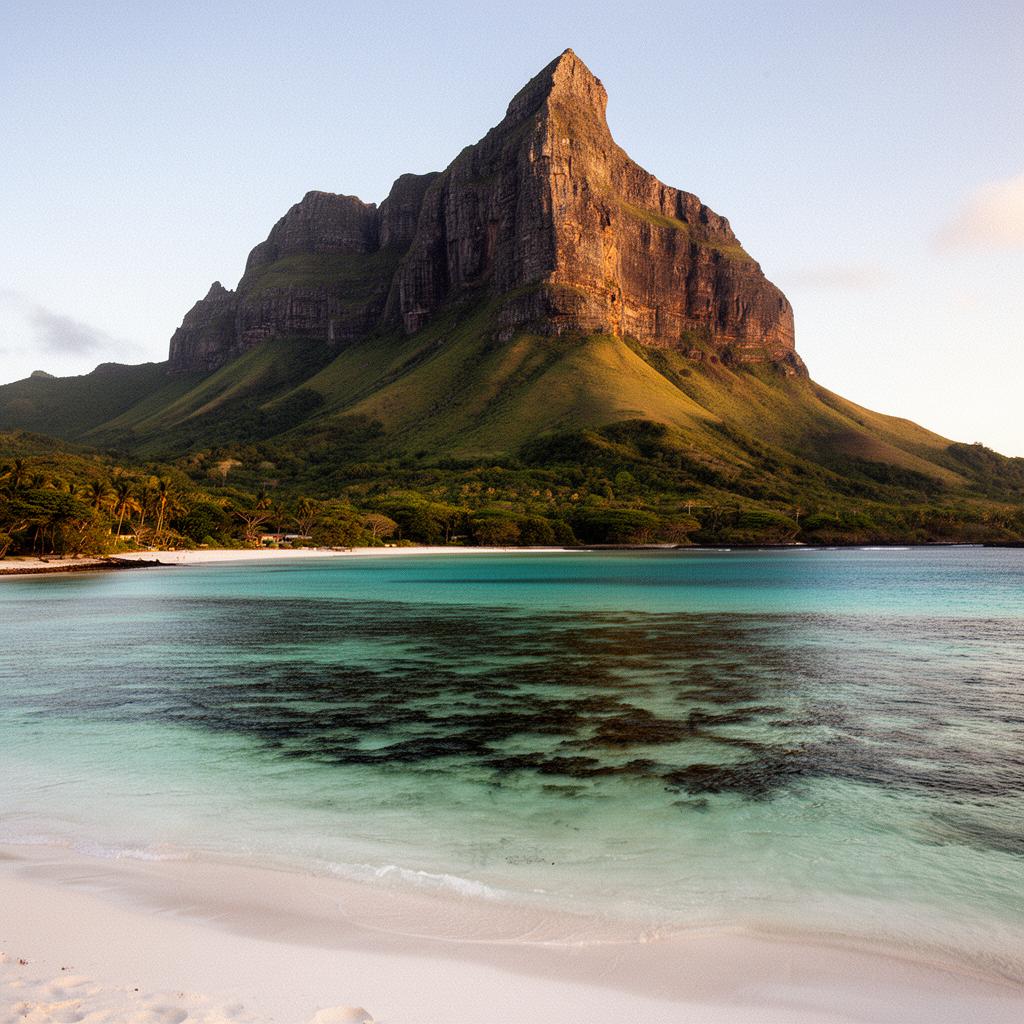
Mauritius seduces through totality — the reef system, the cuisine, the cultural layers, the botanical gardens, the rum, the hiking. The island is almost entirely surrounded by a barrier reef creating some of the Indian Ocean's calmest swimming water.
The Southwest: Le Morne & Flic en Flac
**Le Morne Brabant** UNESCO site is a 556-meter basalt monolith. The western side is world-class for kitesurfing. If you enjoy calm, clear waters, destinations like Clearwater Beach or Siesta Key in Florida offer similar serene experiences. **Flic en Flac** delivers the most reliable beach day with a wide, shallow, warm lagoon.
The East: Belle Mare & Île aux Cerfs
**Belle Mare** stretches nearly ten kilometers along the eastern coast. **Île aux Cerfs** offers a manicured beach experience with a championship golf course.
The Cultural Layer
Mauritius blends Indian, Creole, Chinese, and French heritage. Street food — dholl puri, gâteaux piment, mine frite — represents organic fusion cuisine. Port Louis' **Central Market** offers the best food experience. For another vibrant market and cultural experience on a coastal destination, consider exploring Key West.
Madagascar: The Wild Card
Madagascar hosts an ecosystem where roughly 90% of wildlife exists nowhere else — including lemurs.
Nosy Be: The Resort Hub
**Nosy Be** offers warm-water snorkeling, whale watching (July–September), and black lemur encounters. **Nosy Iranja** consists of two islands connected by a sandbar that submerges at high tide.
Île Sainte-Marie
Historically a pirate haven, this island becomes one of the world's most reliable whale-watching locations between July and September.
Comparing the Three
| Feature | Seychelles | Mauritius | Madagascar | |---------|------------|-----------|------------| | Beach character | Granite-framed coves | Reef-lagoon crescents | Wild, varied | | Best diving | Outer islands | West coast reefs | Nosy Be | | Infrastructure | High | Excellent | Variable | | Best for | Honeymoons | Families, food | Adventure, wildlife |
When to Visit
**April and October–November** offer the best all-around conditions. The Seychelles' northwest monsoon (December–March) brings warmer water. Mauritius peaks November–April. Madagascar's dry season is May–October. For more details on Florida's weather patterns, explore our guide to South Florida travel.
Getting There
Seychelles receives direct flights from Dubai, Doha, and European cities. Mauritius connects to major hubs across Europe, Africa, Asia, and Australia. Madagascar's Ivato Airport handles international arrivals with domestic flights to Nosy Be.
Whether you choose the sculpted perfection of the Seychelles, the polished warmth of Mauritius, or the wild authenticity of Madagascar, the western Indian Ocean delivers island experiences that transcend the conventional tropical template.
Book Your Beach Getaway
Find the best deals on flights, hotels, and car rentals for your perfect beach vacation.