Offshore Fishing in the Gulf: Rigs, Reefs & Deep-Sea Hotspots
Your complete guide to the Gulf's legendary deep-sea fishing grounds, from oil rig ecosystems to artificial reefs.
By BeachLoco Editorial Team
Offshore Fishing in the Gulf: Rigs, Reefs & Deep-Sea Hotspots
The Gulf offers one of the most diverse offshore playgrounds in North America — a mix of deepwater oil rigs, artificial reefs, natural ledges, wrecks, and bluewater zones that hold everything from red snapper and grouper to mahi-mahi, tuna, and even marlin.
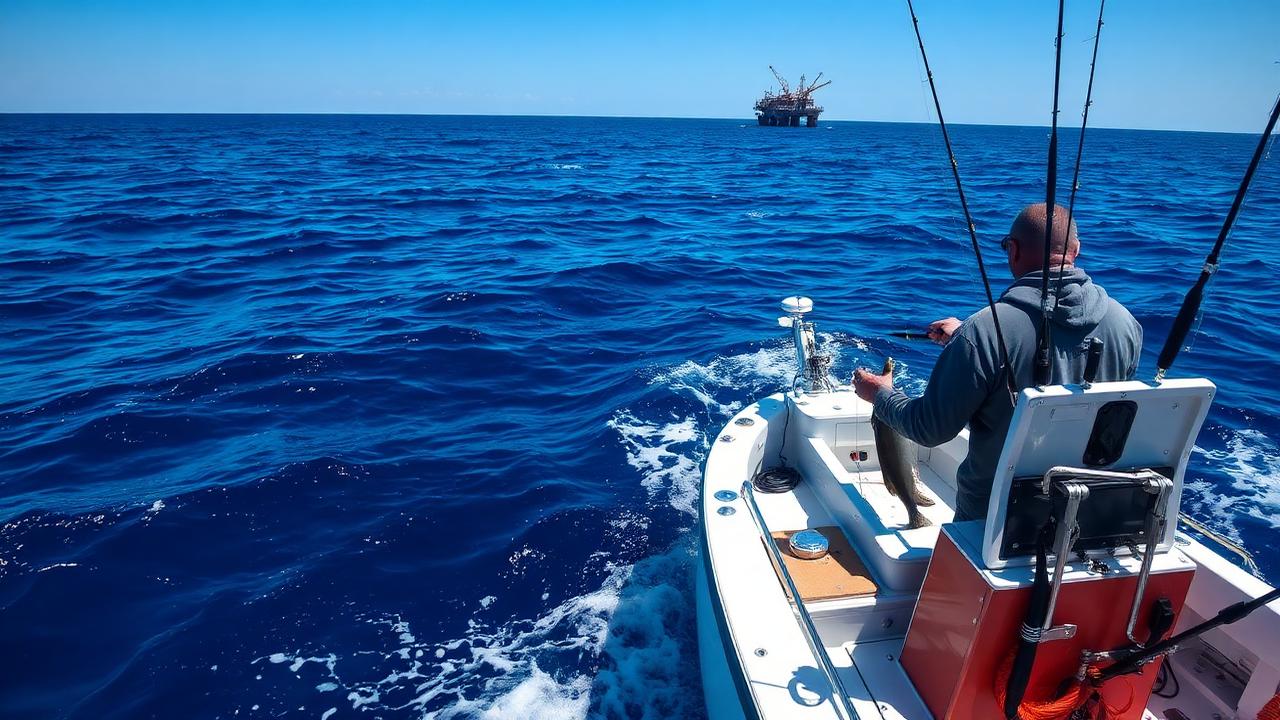
What makes the Gulf so special is its unique underwater structure system: unlike the Atlantic, where rugged natural reefs are common, the Gulf's offshore terrain is relatively smooth — until you reach a rig, a ledge, a pipeline, or a reef. These structures act as massive fish magnets, creating ecosystems that attract bait and predators.
This guide highlights the best offshore spots, explains how these structures work, and uncovers overlooked Gulf facts that most fishing blogs miss.
Why Offshore Fishing in the Gulf Is So Productive
Most websites simply say "the fishing is good offshore." But here are the actual reasons why:
1. Oil Rigs = Vertical Reefs
Over 2,000 offshore platforms form a network of structure that extends from the seafloor to the surface — providing habitat, shade, and current breaks.
2. Warm Loop Current
A major factor almost no blog explains. The Loop Current brings warm Caribbean water northward, carrying:
- Mahi
- Wahoo
- Tuna
- Pelagic baitfish
This current determines bluewater trips more than the weather does.
3. Artificial Reef Programs
Florida, Alabama, Mississippi, Louisiana, and Texas all deploy man-made reefs (tanks, limestone blocks, reef balls) to increase fish habitat.
4. Depth Changes
Natural ledges in the Gulf (although fewer than in the Atlantic) create upwellings that attract bait and predators.
Best Offshore Fishing Hotspots in the Gulf (State-by-State)
🐬 Florida: Destin, Panama City Beach & the Panhandle
Florida has more artificial reefs than any other Gulf state, with hundreds of registered offshore structures. Destin and Panama City Beach are the gateways to world-class offshore fishing.
Top Offshore Targets:
- Red Snapper
- Gag Grouper
- Mahi-mahi
- Blackfin Tuna
- Amberjack
Insider Fact: Destin's East Pass is one of the deepest nearshore entrances on the Gulf, allowing offshore species to come closer to land — sometimes within 8–12 miles, much closer than other states.
🎣 Book an Offshore Charter in Destin
Target snapper, grouper, tuna, and more with experienced deep-sea captains.
Browse Destin Offshore Charters →🦀 Alabama: The World's Largest Artificial Reef Zone
Most anglers don't know this, but: Alabama has the largest artificial reef program in the entire United States. Over 1,200 square miles of reefs sit offshore from Gulf Shores and Orange Beach.
Top Species:
- Red Snapper (massive stocks)
- Triggerfish
- Amberjack
- King Mackerel
Why It's Unique: Reefs are arranged in patterns ("reef grids"), making it easy to drift or anchor over multiple structures in a single day.
🎣 Book a Deep-Sea Charter in Gulf Shores
Fish Alabama's legendary artificial reef system with expert captains.
Browse Gulf Shores Deep-Sea Charters →🌾 Mississippi: Wrecks, Rigs & the Barrier Islands
Mississippi's offshore terrain is shaped by its islands and wrecks.
Hot Areas:
- FH-13 Artificial Reef
- Ship Island Ledge
- Oil rigs 20–40 miles out
- Hurricane Katrina-created wreck structure
Unique Fact: Katrina altered Mississippi's seafloor dramatically. Several wrecks and reefs were relocated or uncovered, creating new fishable structure still being discovered today.
🐊 Louisiana: The Offshore Capital of the Gulf
Louisiana's offshore waters are famous for tuna, snapper, grouper, and wahoo.
Why It's Special:
- The continental shelf is closer here than in Texas
- The Mississippi River plume creates nutrient-rich water
- Deepwater rigs begin just 40–70 miles offshore — the closest deepwater access on the U.S. Gulf Coast
Species: Yellowfin Tuna, Blackfin Tuna, Mahi, Wahoo, Red Snapper, Grouper
Insider Tip: Pelagic fish (tuna, mahi, wahoo) often gather upcurrent of deepwater rigs, not just around them.
🐟 Texas: Deepwater Access & Long Rigs
Texas is famous for long offshore runs — but the rewards are huge. Galveston and Port Aransas serve as the main gateways to Texas offshore waters.
Hotspots:
- Flower Garden Banks (National Marine Sanctuary)
- Tequila & Auger Rigs
- High Island Blocks
- Pelagic weedlines offshore of Port Aransas
Species: Amberjack, Grouper, Mahi & Wahoo, Sharks, Tuna (long-range trips)
Unique Fact: Texas has more active oil platforms than any Gulf state, creating unmatched deepwater structure variety.
🎣 Book an Offshore Charter in Galveston
Target snapper, amberjack, and pelagics in Texas' premier offshore waters.
Browse Galveston Offshore Charters →🎣 Book a Deep-Sea Charter in Port Aransas
Chase tuna, wahoo, and mahi on Texas' legendary bluewater runs.
Browse Port Aransas Offshore Charters →What Species You Can Catch Offshore in the Gulf
Red Snapper
Found around rigs and reefs. Season varies (summer peak). Highly regulated due to popularity.
Grouper (Gag, Scamp, Red)
Prefer ledges + deep reefs. Strong fighters, require heavy tackle.
Mahi-Mahi
Found near weedlines + floating debris. Best in mid-summer.
Tuna (Yellowfin & Blackfin)
Often near deepwater rigs. Year-round but best in fall–winter.
Amberjack (AJ's)
Known as "reef donkeys" for their strength. Found around tall structure and deep wrecks.
Techniques for Gulf Offshore Fishing
Bottom Fishing (Snapper & Grouper)
- Vertical jigging
- Live bait (pinfish, cigar minnows)
- Carolina rigs near the bottom
Trolling (Pelagics)
- Fast troll for wahoo
- Medium troll for mahi
- Slow troll for tuna
Chunking for Tuna
Ideal around deepwater rigs where tuna feed on drifting bait.
Drift Fishing
Used for amberjack, king mackerel, and snapper over wide reef systems.
Best Seasons for Gulf Offshore Fishing
| Season | What's Biting |
|---|---|
| Spring | Mahi run starts, cobia migration |
| Summer | Peak snapper season, mahi, amberjack |
| Fall | Tuna turns on, wahoo season starts |
| Winter | Tuna peak, grouper push deeper |
Safety Considerations (Most Blogs Skip This)
- Check the Loop Current forecast, not just weather
- Watch for afternoon thermal storms in summer
- File a float plan when running 40+ miles out
- Carry backup navigation (paper charts + handheld GPS)
- Rely on sea surface temperature maps to locate weedlines
Final Thoughts — The Gulf's Offshore Playground is Limitless
From shallow reefs to deepwater rigs, the Gulf Coast offers more structure variety than almost any U.S. offshore fishery. Whether you're targeting snapper for dinner or heading 70 miles offshore for tuna, every trip brings something unforgettable.
📖 Related: Inshore Fishing on the Gulf
Prefer shallower waters? Check out our guide to redfish, trout, and flounder fishing in bays and flats.
Read: Best Inshore Fishing Spots on the Gulf Coast →