Carnival in Rio de Janeiro: The Ultimate 2026 Guide
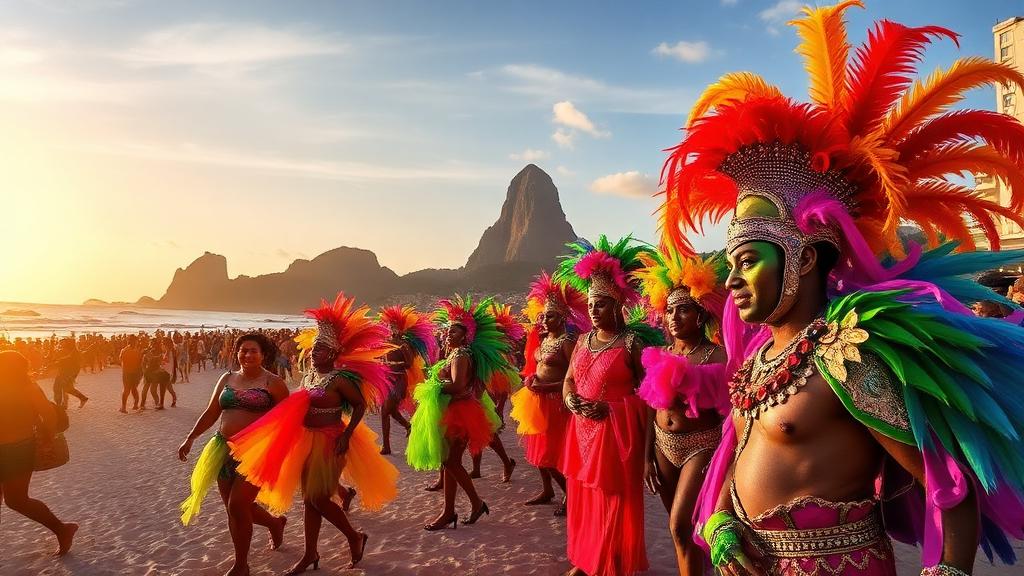
Rio de Janeiro's Carnival is the world's biggest party — five days of samba parades, street parties (blocos), elaborate costumes, and nonstop celebration against the backdrop of Copacabana's coastline and Sugarloaf Mountain. Plan your 2026 trip with this complete guide.
By BeachLoco Editorial
Carnival in Rio de Janeiro is not merely a festival — it's the planet's largest, most extravagant celebration of music, movement, and human joy. For five days each February or March, this Brazilian metropolis transforms into a nonstop spectacle where samba schools parade in sequined grandeur through the purpose-built Sambódromo, blocos (street parties) commandeer entire neighborhoods, and the boundary between performer and audience dissolves entirely. The 2026 edition promises all the thunderous percussion, elaborate costumes, and infectious energy that have made Rio's Carnival the gold standard of global celebrations.
Why Rio's Carnival Is Unmatched
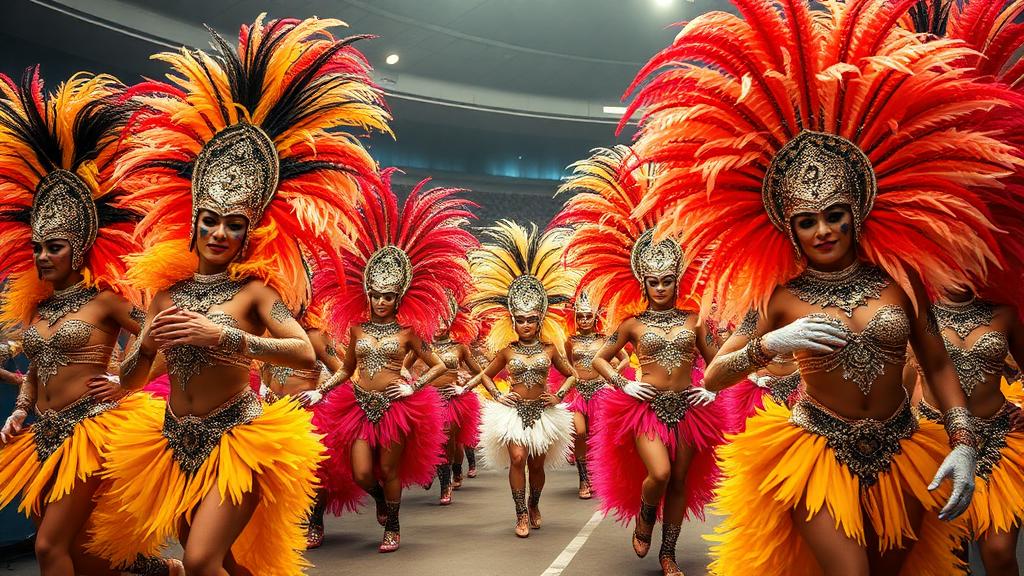
Every major city has its festival, but Rio's Carnival operates on a scale that defies comparison. The Sambódromo parades alone involve an estimated 70,000 performers from the city's top samba schools, each deploying elaborate floats, thousands of costumed dancers, and percussion sections (baterias) whose synchronized rhythms can be felt physically in your chest from blocks away. The preparation for these 80-minute parades takes an entire year, with communities investing millions and countless volunteer hours into their school's presentation.
But the Sambódromo is only part of the story. During Carnival week, an estimated 500+ blocos take over Rio's streets, each with its own musical identity, route, and following. Some blocos draw crowds of hundreds of thousands; others are intimate neighborhood gatherings where you dance alongside lifelong residents. This street-level Carnival is free, spontaneous, and arguably more representative of the festival's democratic spirit than the ticketed stadium events.
The 2026 Carnival Experience
Carnival 2026 follows the traditional schedule, beginning on the Friday before Ash Wednesday and running through Fat Tuesday. The main Sambódromo parades happen on Sunday and Monday nights, when the top-tier samba schools (Grupo Especial) compete for the championship. These are the marquee events — the ones broadcast to 200 million viewers worldwide — and they run from approximately 9 PM until dawn, with each school's elaborate presentation unfolding over roughly 80 minutes.
The experience inside the Sambódromo is overwhelming in the best possible sense. The 700-meter parade ground is flanked by seating for 90,000 spectators, and when a samba school's bateria locks into its signature rhythm, the entire structure vibrates. The floats — some reaching five stories tall — carry hundreds of dancers in costumes that cost thousands of dollars each. The energy builds through the night as school after school presents its theme, and by 4 AM, the atmosphere has reached a fever pitch that no recording can capture.
Beyond the Sambódromo, each day of Carnival brings a rotating schedule of blocos across Rio's neighborhoods. Ipanema, Copacabana, Santa Teresa, and the Centro district each host dozens of blocos with distinct musical styles — from traditional samba to funk carioca to brass band interpretations of pop songs. The best strategy is to pick 2–3 blocos per day and allow the street energy to guide you between them.
What Makes Carnival Unique
Rio's Carnival is distinguished by its democratic nature. While the Sambódromo parades are ticketed events, the vast majority of Carnival happens in the streets, free and open to everyone. A billionaire and a bus driver dance next to each other in the same bloco, wearing the same costume, moving to the same beat. This social leveling — temporary but genuine — is central to Carnival's cultural significance and emotional power.
The musical sophistication is another distinguishing factor. Samba is not simple party music — it's a complex rhythmic tradition with deep African roots, and the top samba schools employ hundreds of percussionists whose precision and power would impress any trained musician. Each school's annual samba-enredo (theme song) becomes a citywide hit, and hearing 70,000 people sing it in unison inside the Sambódromo is one of the great collective musical experiences on Earth.
Best Time to Plan Your Visit
Carnival dates shift annually based on the Easter calendar. For 2026, confirm the exact dates well in advance and begin planning 6–12 months ahead. Accommodations in Copacabana, Ipanema, and the Centro district book out early, and prices during Carnival week can be 3–5 times normal rates. Early booking secures both better rates and better locations.
Sambódromo tickets range from general admission standing areas (affordable but intense) to luxury boxes (expensive but comfortable). The sweet spot for most visitors is the numbered grandstand seating in sectors 7, 9, or 11, which provide good sightlines and a festive atmosphere without the physical demands of standing for 8+ hours. Tickets are available through the official LIESA website and authorized resellers.
Nearby Attractions
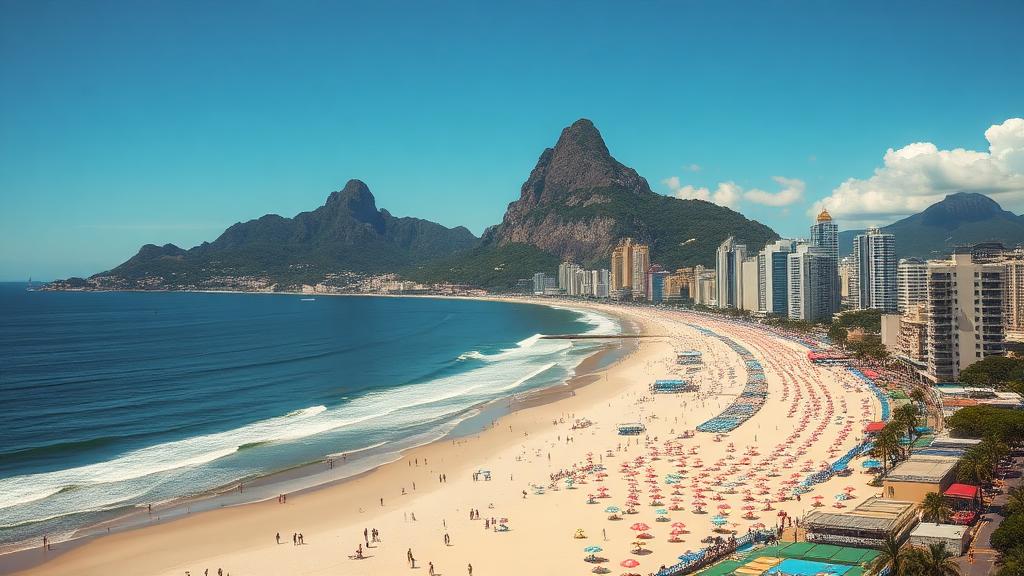
Rio de Janeiro itself is the attraction. Between Carnival events, the city's world-famous landmarks provide context and contrast. Christ the Redeemer atop Corcovado, Sugarloaf Mountain's cable car, and the beaches of Copacabana and Ipanema are all accessible during Carnival week, though crowds at tourist sites will be heavier than usual. The Santa Teresa neighborhood — with its cobblestone streets, artist studios, and hilltop views — offers a quieter counterpoint to the Carnival energy below.
For visitors extending their trip beyond Carnival, the nearby coastal destinations offer world-class beaches within day-trip distance. Búzios, Angra dos Reis, and Ilha Grande provide post-Carnival recovery settings with crystal-clear water and dramatically lower intensity.
Where to Stay
Copacabana and Ipanema offer the best combination of beach access, bloco proximity, and nightlife. The Centro district puts you closest to the Sambódromo and many of the largest blocos. Santa Teresa provides a more atmospheric, boutique-hotel experience in a hilltop neighborhood with stunning views. Airbnb and vacation rental options expand the inventory significantly, but book early — Carnival week availability disappears fast.
Local Tips
Travel light during Carnival — leave valuables at the hotel and carry only what you need in a small, front-worn bag. Stay hydrated aggressively; the combination of summer heat, physical activity, and alcohol can cause dehydration quickly. Wear comfortable shoes — bloco dancing on cobblestone streets is hard on feet. Learn the chorus of at least one samba-enredo before you arrive; singing along inside the Sambódromo or in a bloco elevates the experience from spectating to participating.
Use the metro for Sambódromo events — traffic during parade nights is essentially impassable, and the metro runs extended hours specifically for Carnival. For blocos, arrive early to find your group and establish your position; large blocos can grow to hundreds of thousands of people, making late arrival disorienting. Check the packing essentials and add Carnival-specific items: a costume or themed outfit (participation is expected), waterproof phone protection, and reef-safe sunscreen for daytime blocos on the beach.
Rio de Janeiro's Carnival is one of those rare human experiences that exceeds its own legend. The scale, the sound, the energy, and the sheer joy of millions of people celebrating together create something that no description can fully capture — you simply have to be there, dancing in the street, to understand.