Taiwan Surf Guide — Complete Guide to Dulan, Jinzun, Kenting & Beyond
Discover Taiwan's best surf breaks from Dulan's bohemian beach scene to Jinzun's powerful point breaks. Detailed wave conditions, seasonal patterns, board rentals, and insider tips for every skill level.
By BeachLoco Editorial
Taiwan's surf scene flies under the radar, but the island's exposure to Pacific swells, warm water year-round, and developing surf culture make it Asia's most underrated surfing destination. From Dulan's laid-back longboard waves to Jinzun's punchy point breaks, this guide covers every break worth paddling out to.

Why Surf Taiwan?
Taiwan sits in the Pacific's prime swell window, receiving consistent energy from typhoons during summer and north Pacific storms in winter. Unlike crowded Indo or overrun Thailand, Taiwan's lineups remain refreshingly uncrowded—even at the best breaks, you'll share waves with a handful of locals rather than fifty tourists.
What makes Taiwan special for surfers:
- Warm Water Year-Round: 22-28°C means boardshorts or a spring suit at most
- Uncrowded Lineups: Even popular breaks feel empty by Asian standards
- Consistent Swells: Typhoon season delivers endless summer swells; winter brings north Pacific energy
- Surf Culture: Growing scene with shops, cafés, and community events
- Beyond Surfing: World-class food, indigenous culture, stunning landscapes
- Safe & Easy Travel: Excellent infrastructure, English widely spoken in tourist areas
Ready to explore Taiwan's waves? Start with our complete Taiwan beach destinations guide for trip planning basics.
Dulan — Taiwan's Surf Soul
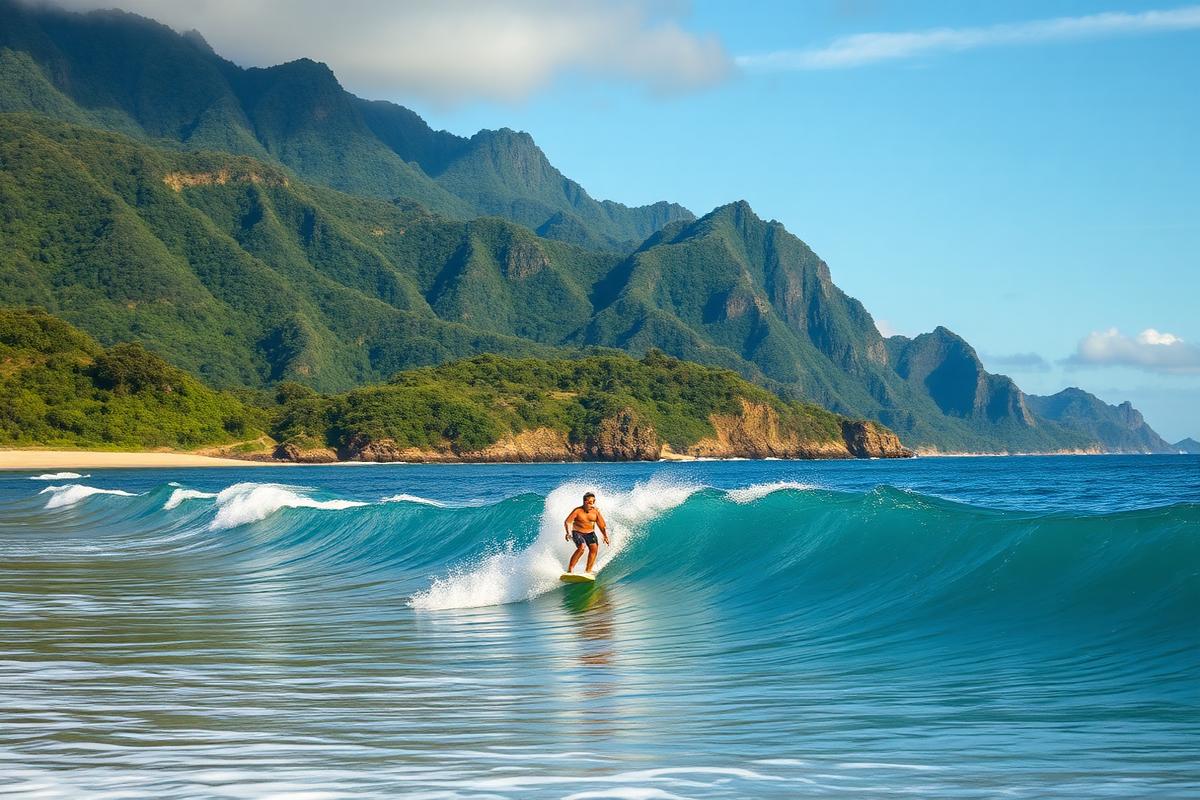
Dulan is Taiwan's surfing heart—a small indigenous Amis village that's become home to artists, musicians, and wave-riders seeking an alternative to city life. The vibe here is distinctly bohemian: driftwood cafés, live music venues, and a community that revolves around the ocean.
The Breaks
Dulan Beach (Main Break)
Type: Beach break | Level: Beginner to Intermediate | Best Tide: Mid to High
A forgiving beach break with multiple peaks along the dark volcanic sand shoreline. Waves peel both left and right, breaking over sand that shifts with seasonal swells. Perfect for longboarders, beginners, and laid-back sessions. Head-high days are common during typhoon season; waist-high waves are the norm in shoulder seasons.
Dulan Point (South End)
Type: Point break | Level: Intermediate to Advanced | Best Tide: Low to Mid
When swell direction is right (NE or E), a proper right-hand point break lights up at the southern end of Dulan Beach. Longer walls, faster sections, and an occasional barrel section when it's overhead. Less consistent than the main beach but significantly better on good days.
🏄 Dulan Wave Conditions
| Best Season | June–October (typhoon swells), November–February (north swells) |
| Typical Wave Size | Waist to head high (1–2m) |
| Water Temperature | 24–28°C (summer), 22–24°C (winter) |
| Crowd Factor | Low to moderate—friendly local crew |
| Hazards | Strong currents on big days; rocks at point break |
Dulan Surf Shops & Rentals
WaGaLiGong Surf Hostel — The original Dulan surf institution combining accommodation, board rentals, and lessons. Daily rentals NT$500–800; lessons from NT$1,500 including equipment. English-speaking instructors and genuine stoke.
Dulan Surf Shop — Local-owned shop near the beach with a solid quiver of rental boards (shortboards, longboards, soft-tops). Repairs available. Daily rentals NT$400–600.
Highway 11 Garage — Boutique surf shop with quality boards for sale or rent. Focus on mid-length and single-fin logs. Rentals NT$600–1,000 for premium boards.
The Dulan Lifestyle
Dulan isn't just about waves—it's a lifestyle destination. Expect:
- Sunrise Sessions: Glass-off conditions before the sea breeze kicks in
- Driftwood Cafés: Sugar Cane café and Dulan Sugar Factory for post-surf fuel
- Live Music: Regular jams at local venues, especially weekends
- Art Scene: Galleries featuring indigenous and surf-inspired art
- Monthly Full Moon Parties: Beach bonfires and community gatherings
Jinzun — Taiwan's Premier Wave
Jinzun (金樽) hosts Taiwan's only WSL-sanctioned event for good reason—this is the island's most consistent and powerful wave. Located 15 minutes south of Dulan, Jinzun Harbor's breakwater creates a mechanical right-hand point that handles serious size.
The Breaks
Jinzun Harbor Point (The Main Event)
Type: Point break | Level: Intermediate to Advanced | Best Tide: All tides (low for barrels)
A powerful right-hander that wraps around the harbor breakwater, offering long walls and barrel sections when the swell is solid. The wave has multiple sections: a steep takeoff, a workable wall, and an inside section that reforms over sand. Handles overhead+ days without closing out. Taiwan's most competitive lineup—respect the locals who've been surfing here for decades.
Jinzun Beach (North of Harbor)
Type: Beach break | Level: Beginner to Intermediate | Best Tide: Mid to High
Mellower beach break options north of the main point. Multiple peaks spread the crowd, and the waves are more forgiving than the harbor break. Good alternative when Jinzun Point is too heavy or too crowded.
Donghe (South of Jinzun)
Type: River mouth/beach break | Level: Intermediate | Best Tide: Low to Mid
A less-consistent break near Donghe Bridge that fires on specific swell directions. Sand bars shift regularly, creating quality peaks when conditions align. Worth checking if Jinzun is crowded.
🏄 Jinzun Wave Conditions
| Best Season | September–November (typhoon swells + offshore winds) |
| Typical Wave Size | Chest to double overhead (1–3m) |
| WSL Contest Window | November (Taiwan Open of Surfing) |
| Crowd Factor | Moderate to high—competitive vibes |
| Hazards | Rocks on inside; strong currents; localism when crowded |
Jinzun Surf Shops & Rentals
Jinzun Surf Club — Purpose-built surf camp adjacent to the break with rentals, lessons, and basic accommodation. Daily rentals NT$500–800; weekly packages available.
Most surfers base in Dulan and drive the 15 minutes to Jinzun—better food, accommodation, and nightlife in Dulan with Jinzun as the go-to surf destination.
Kenting — Southern Taiwan Surf
Kenting National Park at Taiwan's southern tip receives swell from multiple directions, making it the most consistent year-round surf destination. The trade-off: more tourists, smaller average wave size, and beach-break only options.
The Breaks
Nanwan (South Bay)
Type: Beach break | Level: Beginner to Intermediate | Best Tide: All tides
Kenting's main surf beach with multiple peaks, board rental shops, and beginner lessons. Gentle waves most days, occasionally getting head-high during typhoon swells. Crowded with tourists but plenty of space to find a peak. Ideal for learning or mellow sessions.
Jialeshuei (佳樂水)
Type: Reef/point break | Level: Intermediate to Advanced | Best Tide: Low to Mid
Taiwan's southernmost surf spot, located outside Kenting National Park. A rocky reef break that produces fast, hollow waves when conditions are right. Less consistent than Nanwan but significantly better quality. Requires local knowledge—rocks are unforgiving.
Fengchuisha (風吹沙)
Type: Beach break | Level: Intermediate | Best Tide: Mid to High
Beach break on Kenting's east side catching northeast swells that miss Nanwan. Powerful shore break that can get hollow. Less developed with no facilities—bring your own everything.
🏄 Kenting Wave Conditions
| Best Season | September–March (all swell directions work) |
| Typical Wave Size | Knee to head high (0.5–1.5m) |
| Water Temperature | 24–28°C year-round (warmest in Taiwan) |
| Crowd Factor | High at Nanwan; low at other breaks |
| Hazards | Jet skis at Nanwan; rocks at Jialeshuei; jellyfish in summer |
Kenting Surf Shops & Rentals
Nanwan Surf Shops — Multiple rental operations line Nanwan beach with soft-tops and beginner boards. Prices competitive (NT$300–500/day); quality varies. Lessons readily available.
Kenting Surf Shop — More serious operation with shortboards and quality longboards for rent. Located on the main strip near Nanwan. Daily rentals NT$500–800.
Other Taiwan Surf Spots
Wai'ao (外澳) — Northeast Coast
Location: Near Yilan, 1 hour from Taipei | Level: Beginner to Intermediate
The closest surf to Taipei, making it popular with city surfers. Consistent beach break that picks up northeast swells. Crowded on weekends but good for intermediate surfers wanting consistent waves. Train-accessible from Taipei (Yilan line to Wai'ao station).
Fulong (福隆) — Northeast Coast
Location: Northeast coast, near Wai'ao | Level: Beginner to Intermediate
Beach break near the famous sand sculpture festival venue. More protected than Wai'ao, making it better for beginners. Summer crowds but generally less intense than Wai'ao.
Qixingtan — East Coast
Qixingtan's pebble beach occasionally produces surfable waves during typhoon swells, but it's not a consistent surf destination. The beach is famous for its scenic beauty rather than waves. Bodyboarding possible during large swells.
Penghu Islands
Penghu receives occasional swell during winter months but is primarily known for windsurfing and kitesurfing rather than traditional surfing. If you're in Penghu and want to ride waves, bring a paddleboard.
Complete Taiwan Surf Comparison
| Break | Type | Level | Best Season | Crowd | Vibe |
|---|---|---|---|---|---|
| Dulan Beach | Beach | Beginner+ | Jun–Oct | Low | Bohemian soul |
| Jinzun Point | Point | Int–Adv | Sep–Nov | Moderate | Competitive |
| Nanwan | Beach | Beginner | Year-round | High | Tourist |
| Jialeshuei | Reef | Int–Adv | Oct–Feb | Low | Serious |
| Wai'ao | Beach | Beginner+ | Sep–Mar | High | Weekend warriors |
Taiwan Surf Seasons
Summer (June–August): Typhoon Season
Typhoons generate powerful swells that light up Taiwan's east coast. When storms pass to the north or south without making direct landfall, clean overhead waves are possible for days. The challenge: unpredictable timing and occasional flat spells between systems. Water is warmest (26–28°C); boardshorts only.
Autumn (September–November): Prime Time
The best overall season for Taiwan surf. Late-season typhoons still generate swell, but with more consistent northeast trade winds creating offshore conditions on east coast breaks. Jinzun's contest window is November for good reason. Water still warm (24–26°C).
Winter (December–February): North Swells
North Pacific storm systems generate consistent swell that wraps into Taiwan's east coast. Smaller average size than typhoon swells but more reliable. Northeast coast (Wai'ao, Fulong) gets consistent waves; Kenting works well with multiple swell angles. Cooler water (22–24°C) may warrant a spring suit.
Spring (March–May): Shoulder Season
The least consistent period with transitional weather patterns. Occasional swells from passing systems, but more flat days than other seasons. Good time to explore Taiwan's other attractions with occasional surf sessions.
Practical Surf Trip Information
Board Rentals vs. Bringing Your Own
Rentals: Readily available at Dulan, Kenting, and Wai'ao. Quality varies from battered soft-tops (NT$300–400) to well-maintained hardboards (NT$500–800). Longboards more available than shortboards.
Bringing Boards: Airlines flying to Taiwan generally charge NT$1,500–3,000 (US$50–100) each way for boards. Worth it for serious trips. Eva Air and China Airlines are most board-friendly.
Wetsuit Guide
- June–October: Boardshorts only; rashguard optional
- November–February: Spring suit (2mm) or shorty for dawn sessions
- March–May: Spring suit or boardshorts depending on weather
Getting to Taiwan's Surf
To East Coast (Dulan/Jinzun): Fly to Taipei, train to Taitung (3.5 hours TRA or 2.5 hours Puyuma Express), then bus/taxi to Dulan (30 min). Alternatively, fly direct to Taitung on domestic carriers.
To Kenting: Fly to Kaohsiung, bus or rental car to Kenting (2–2.5 hours). Or high-speed rail to Kaohsiung, then bus.
To Northeast Coast: Train from Taipei to Wai'ao or Fulong (1–1.5 hours). Most accessible surf from the capital.
Accommodation Recommendations
Dulan: WaGaLiGong Hostel (budget, surf-focused), Dulan House (mid-range B&B), or numerous Airbnbs in the village.
Kenting: Wide range from backpacker hostels to resort hotels. Nanwan area for surf access; Kenting town for nightlife.
Northeast Coast: Day trip from Taipei or stay in Yilan/Toucheng for multi-day surf focus.
Surf Etiquette in Taiwan
Taiwan's surf community is generally welcoming but follows universal surf etiquette:
- Respect the lineup: Don't paddle around the pack to get priority
- One wave at a time: Person closest to the peak has right of way
- Don't snake: If someone is already paddling for a wave, let them have it
- Say hello: A friendly nod goes a long way with local crews
- Jinzun specifics: More competitive vibe; earn your waves by waiting your turn
Foreign surfers are generally welcomed—Taiwan's surf culture is inclusive and stoked on sharing waves with visitors who show respect.
Beyond Surfing: East Coast Road Trip
Combine your surf trip with Taiwan's stunning east coast scenery. Our Taiwan East Coast Road Trip guide covers the scenic drive from Hualien to Taitung, passing through surf towns and dramatic coastal landscapes.
After the surf, explore Taiwan's island destinations with our Island Hopping guide or dive into underwater worlds with our Taiwan Diving guide.
The Bottom Line
Taiwan offers genuine surf culture without the crowds of more famous destinations. Dulan delivers the soul—creative community, consistent beach break, and the best post-surf scene in Taiwan. Jinzun brings the performance—a proper point break that holds size and hosts international competitions. Kenting provides accessibility—warm water, forgiving waves, and year-round consistency. Together, they make Taiwan one of Asia's most underrated surf destinations.
Start planning your Taiwan surf adventure with our complete Taiwan beach destinations guide.