Top Beaches for Saltwater Fly Fishing Across America
From bonefish flats to redfish marshes, these are the premier beach destinations where fly anglers find world-class sight-fishing.
By BeachLoco Editorial Team
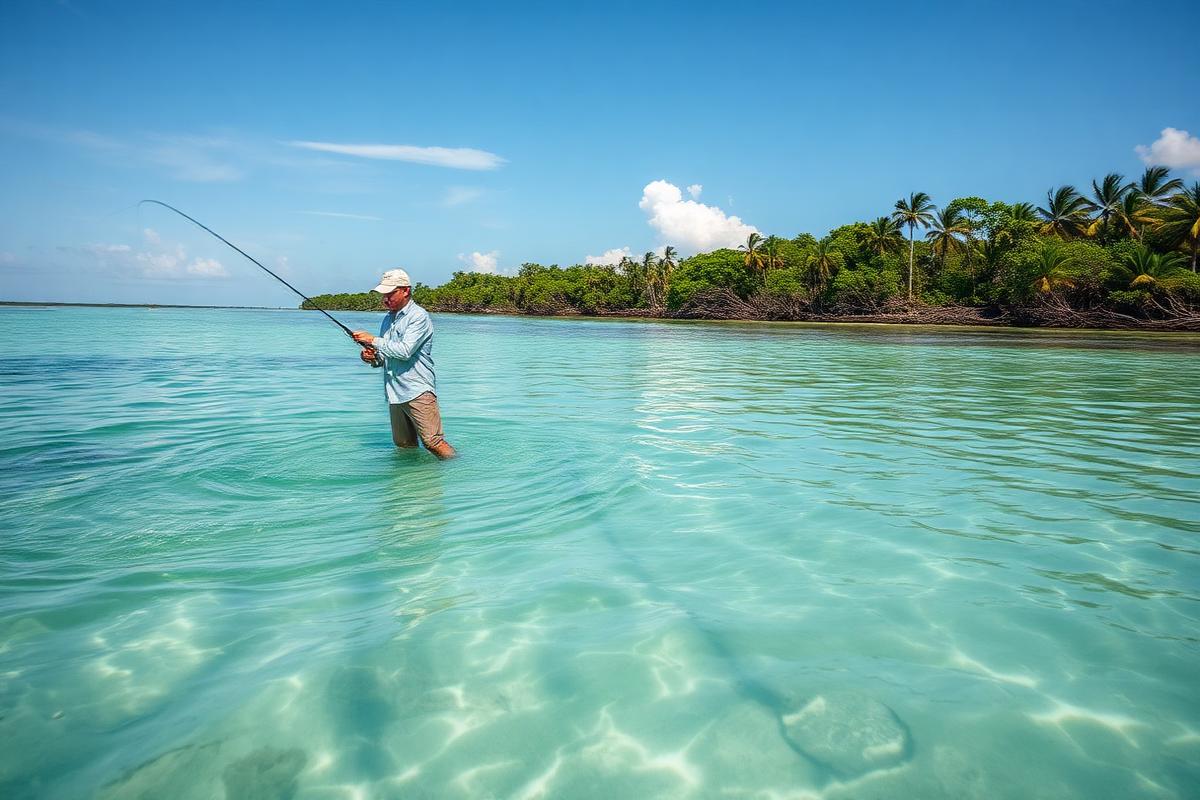
Saltwater fly fishing represents the pinnacle of angling — a discipline that demands precision casting, sharp eyesight, and intimate knowledge of coastal ecosystems. Unlike conventional fishing, where you can drop bait and wait, fly fishing the flats requires you to actively hunt your quarry: wading shin-deep across white sand, scanning for shadows and nervous water, and presenting a fly with a single accurate cast. The reward is an unmatched connection between angler and environment.
America's coastlines offer world-class saltwater fly fishing opportunities that rival any destination on earth. From the legendary bonefish flats of the Florida Keys to the redfish marshes of Louisiana, these beaches and flats deliver sight-fishing experiences that belong on every fly angler's bucket list. Here are the top beaches for saltwater fly fishing across the country.
Islamorada, Florida Keys
Best for: Bonefish, permit, and tarpon — the Grand Slam
Islamorada is the 'Sport Fishing Capital of the World' for good reason. The surrounding flats hold bonefish, permit, and tarpon — the three species that constitute the coveted Grand Slam. Wade fishing the oceanside flats for bonefish is accessible to self-guided anglers, while permit and tarpon typically require a guide and skiff. The clear, shallow water over white sand creates ideal sight-fishing conditions, and the sheer density of fish means opportunities come frequently.
Key West Flats, Florida
Best for: Tarpon, permit, and barracuda on the fly
The backcountry flats north of Key West offer some of the most diverse saltwater fly fishing in the hemisphere. Tarpon up to 150 pounds migrate through the channels from April through July, offering shots at the most dramatic fish in fly fishing. The surrounding turtle grass flats hold permit, bonefish, and barracuda. Wade fishing is possible on select flats during low tide, but a poled skiff remains the gold standard for accessing prime water. For more things to do in Key West, check out our guide.
Mosquito Lagoon, Florida
Best for: Sight-fishing for tailing redfish on shallow flats
Located on Florida's Space Coast near Cape Canaveral, Mosquito Lagoon is the nation's premier sight-fishing destination for redfish. The shallow, clear-water lagoon allows anglers to spot tailing reds feeding on crabs and shrimp across expansive grass flats. A well-presented crab pattern fly on a 7- or 8-weight rod is the standard approach. The lagoon is wade-friendly in many areas, making it accessible to fly anglers without a boat. Fall through spring delivers the most consistent sight-fishing conditions.
Chandeleur Islands, Louisiana
Best for: Trophy redfish on endless uninhabited flats
The Chandeleur Islands — a chain of uninhabited barrier islands 50 miles off the Louisiana coast — offer what many consider the finest redfish fly fishing on earth. Schools of bull redfish cruise the shallow flats in numbers that have to be seen to be believed. The remoteness requires a mothership charter or long boat run, but the payoff is world-class sight-fishing with virtually no other anglers in sight. Speckled trout and jack crevalle add variety to every trip.
Rockport, Texas
Best for: Redfish on the fly in shallow coastal bays
The flats surrounding Rockport on the central Texas coast offer outstanding year-round redfish fly fishing. The Aransas Bay system's shallow grass flats and sand potholes create a redfish habitat that rewards wading anglers willing to cover water. Fall is prime time, when cooling water temperatures push redfish onto the shallowest flats to feed aggressively. An 8-weight rod with a floating line and a Clouser or crab pattern is the standard setup.
Hilton Head Island, South Carolina
Best for: Redfish and flounder in scenic Low Country marshes
Hilton Head's surrounding marsh creeks and tidal flats hold healthy populations of redfish that tail and feed in ankle-deep water. The Low Country's dramatic tidal swings (6–8 feet) create windows of exceptional sight-fishing as reds move onto flooded grass flats to feed. Flounder lie on sandy patches between grass beds and will eat a slowly stripped Clouser minnow. The island's resort infrastructure makes it easy to combine a fly fishing trip with a family beach vacation.
Montauk, New York
Best for: Striped bass and false albacore on the fly
Montauk Point represents the Northeast's premier saltwater fly fishing destination. Striped bass up to 40 pounds cruise the boulder-strewn beaches and rips during spring and fall migrations, offering shots at trophy fish on 10-weight fly rods. From September through November, false albacore — arguably the hardest-fighting fish their size — stage off the point and provide explosive surface action on intermediate lines. The surf-fishing access is free and the fish are plentiful during peak migration.
Apalachicola Bay, Florida
Best for: Diverse flats fishing with redfish, trout, and tripletail
Apalachicola Bay sits on Florida's undeveloped Forgotten Coast and offers fly fishing diversity that rivals the Keys at a fraction of the cost and crowding. Redfish tail on the surrounding grass flats, speckled trout hold over sandy potholes, and tripletail float under crab pot buoys — offering one of fly fishing's most visual targets. The bay's healthy oyster bar ecosystem supports a food chain that keeps game fish plentiful year-round.
San Juan Islands, Washington
Best for: Salmon on the fly in Pacific Northwest waters
The San Juan Islands offer a unique saltwater fly fishing experience: casting for pink, coho, and chum salmon in the clear waters of Puget Sound. Beach-accessible fishing from rocky points and gravel bars allows anglers to intercept migrating salmon without a boat. Pink salmon runs in odd years create the most accessible fly fishing, with fish readily taking small pink flies on 7-weight rods. The dramatic Pacific Northwest scenery adds a dimension that no other saltwater fly fishery can match.
Choosing the Right Fly Rod for Saltwater
An 8-weight fly rod is the most versatile choice for coastal fly fishing, handling everything from redfish to small tarpon. A 9-weight adds insurance for larger fish and windy conditions. For bonefish and permit, a 7- or 8-weight with a fast-action blank delivers the quick, accurate casts required for spooky fish. Invest in a quality reel with a sealed drag — saltwater fish make runs that cheap freshwater reels can't handle.
Best Time to Fly Fish the Flats
Low, incoming tides generally create the best sight-fishing conditions on most flats. Rising water pushes fish onto shallow feeding grounds where they're visible and accessible to wading anglers. Calm, sunny mornings offer the best visibility for spotting fish. Wind above 15 mph makes sight-fishing extremely difficult and casting challenging. Plan your trips around weather windows and tide charts for the best results. Find more options on our best fishing beaches page.
Frequently Asked Questions
Can beginners try saltwater fly fishing?
Yes, but hiring a guide for your first outing dramatically increases your chances of success. Casting accuracy is more important than distance in saltwater fly fishing. Practice your cast to 40–50 feet before your trip to Panama City Beach, and choose a forgiving species like redfish for your first target.
What flies do I need for saltwater fishing?
A basic saltwater fly box should include Clouser Minnows (white/chartreuse), EP Baitfish patterns, crab flies (tan and olive), shrimp patterns, and poppers. Match the fly size to your target species — smaller (#4–#6) for bonefish, larger (#1/0–#2/0) for tarpon and stripers.
Is wade fishing or boat fishing better for saltwater fly fishing?
Both have advantages. Wade fishing is more immersive and accessible (no boat needed), but limits the water you can cover. A poled skiff lets you cover more flats and approach fish silently. For species like bonefish and redfish, both approaches work well.
What's the difference between saltwater and freshwater fly fishing?
Saltwater fly fishing uses heavier rods (7–12 weight vs. 3–6 weight), larger flies, and reels with robust drag systems. The casting distances are longer, the fish are generally bigger and faster, and corrosion-resistant gear is essential. Wind is also a much bigger factor on the coast.
Book Your Beach Getaway
Find the best deals on flights, hotels, and car rentals for your perfect beach vacation.