Best Beaches for Tide Pool Exploring
Discover the world's most fascinating tide pool beaches where marine life thrives in rocky coastal formations, perfect for nature lovers and curious explorers of all ages.
By BeachLoco Editorial Team
Why Tide Pool Exploring Captivates Coastal Visitors
There is something profoundly magical about kneeling beside a rocky pool at the edge of the ocean and discovering an entire miniature world teeming with life. Tide pools are nature's living aquariums — formed when receding tides leave behind shallow basins filled with seawater, hosting colorful anemones, darting fish, spiny sea urchins, and delicate starfish. For travelers seeking a slower, more contemplative beach experience, tide pool exploring offers an intimate connection with marine ecosystems that snorkeling and diving simply cannot replicate.
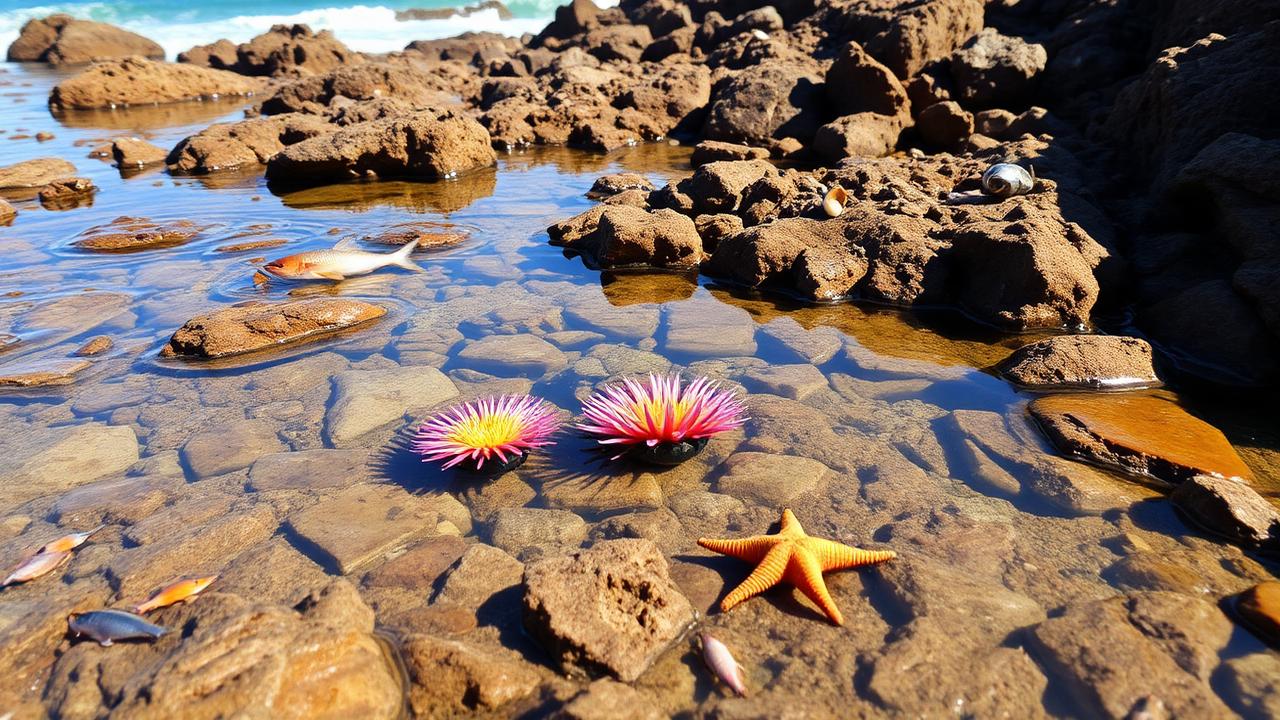
Unlike many beach activities that require specialized equipment or physical fitness, tide pooling is wonderfully accessible. Families with young children, solo travelers, amateur marine biologists, and photographers alike find equal joy in carefully navigating slippery rocks to peer into these crystalline natural pools. The best tide pool beaches around the world combine rich biodiversity with dramatic coastal geology, creating landscapes that are as visually stunning as they are scientifically fascinating.
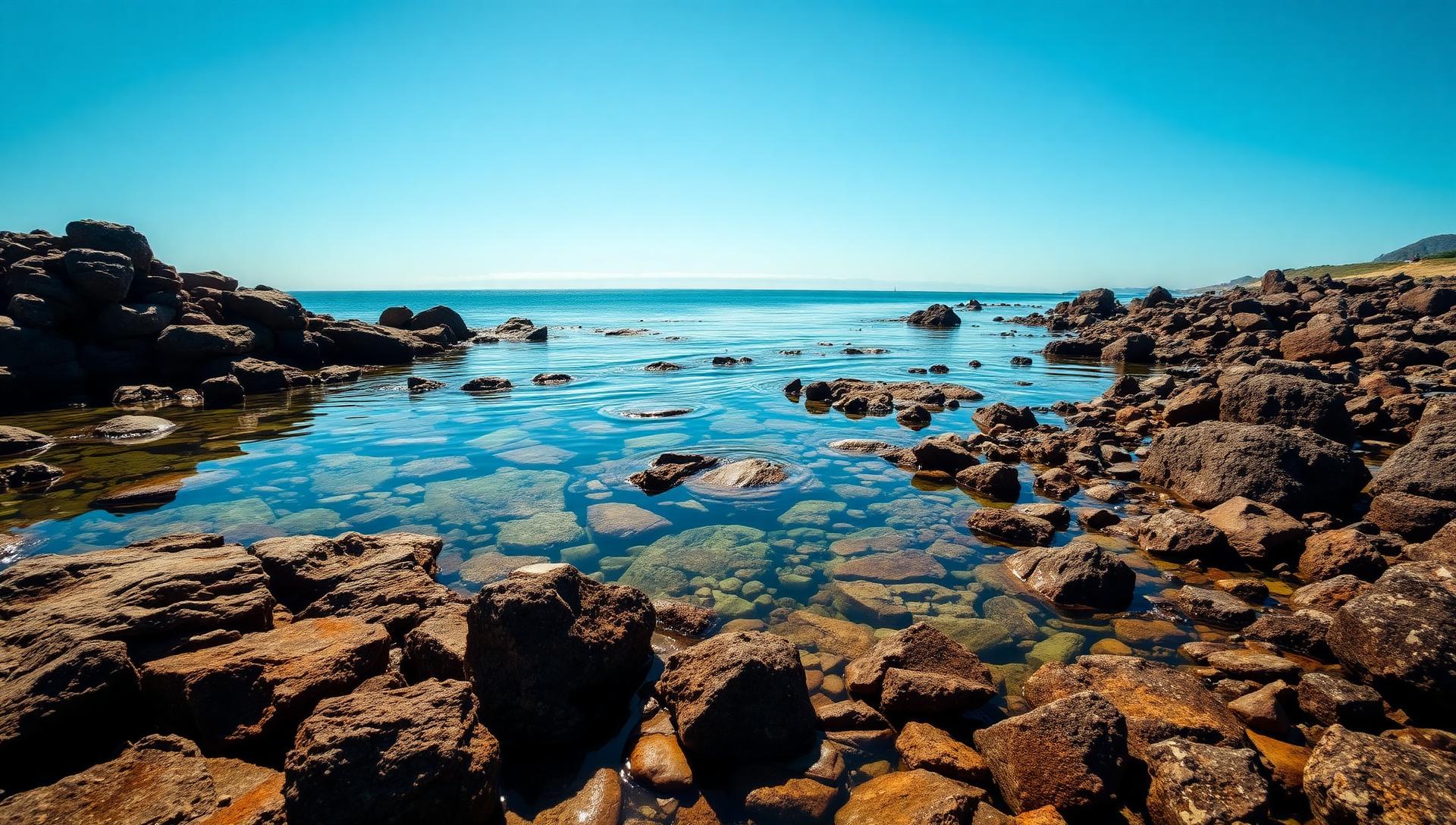
Top Beaches for Tide Pool Exploring
Fitzgerald Marine Reserve, California, USA
Located along the San Mateo County coast south of San Francisco, Fitzgerald Marine Reserve is widely regarded as one of the richest tide pool habitats in California. The reserve protects a stunning stretch of rocky intertidal zone where visitors can observe over 200 species of marine invertebrates, including giant green anemones, purple sea urchins, hermit crabs, and the occasional octopus hiding in crevices. Guided naturalist walks are available on weekends, making this an exceptional educational destination for families exploring the best family beach destinations.
Botanical Beach, Vancouver Island, Canada
Situated at the southern tip of the Juan de Fuca Trail near Port Renfrew, Botanical Beach features some of the most spectacular tide pools in the Pacific Northwest. The sandstone and quartz formations create unusually deep, well-defined pools that support an extraordinary diversity of marine life. At low tide, visitors can walk among pools filled with purple and orange starfish, sculpin fish, and vibrant coralline algae. The surrounding old-growth rainforest and rugged coastline make this a truly immersive nature experience.
Dunmore Head, County Kerry, Ireland
Ireland's most westerly point offers surprisingly rich tide pooling along its rocky Atlantic shoreline. The nutrient-rich waters of the Gulf Stream support thriving populations of beadlet anemones, periwinkles, limpets, and occasional cuttlefish. Exploring these pools against the dramatic backdrop of the Blasket Islands and crashing Atlantic swells creates an unforgettable coastal adventure that pairs perfectly with coastal hiking itineraries.
Shell Beach, Shark Bay, Western Australia
While famous for its remarkable beach composed entirely of tiny cockle shells, Shell Beach and the surrounding Shark Bay World Heritage Area also harbor fascinating tide pool ecosystems. The hypersaline waters support unique organisms including living stromatolites — some of the oldest life forms on Earth. This UNESCO-listed site combines tide pool exploration with a geological experience found nowhere else on the planet.
Playa de las Catedrales, Galicia, Spain
Known as the Beach of the Cathedrals for its towering natural stone arches, this Galician beach reveals extraordinary tide pools at low tide. The sculpted rock formations create sheltered basins where Atlantic marine life flourishes, including colorful starfish, sea slugs, and small crabs. Visitors must book free permits in summer months, but the combination of dramatic geology and rich tide pools makes this one of Europe's most rewarding coastal experiences.
Best Time of Year for Tide Pool Exploring
Successful tide pooling depends entirely on tidal cycles rather than traditional tourism seasons. The most productive exploring occurs during minus tides — extremely low tides that expose normally submerged rock formations and their inhabitants. These occur most dramatically during new and full moon phases throughout the year.
In the Northern Hemisphere, the most significant low tides typically occur during late spring through early summer (May through July), when minus tides often coincide with morning daylight hours. Winter months can produce equally impressive low tides, though they often fall during predawn or late evening hours. Always consult local tide charts before planning your visit, and arrive at least 30 minutes before the predicted low tide to maximize your exploring window. For travelers planning beach vacations around tidal schedules, our beach travel planning guides offer essential timing advice.
Tips for First-Time Tide Pool Explorers
The most important rule of tide pooling is simple: look but don't take. Protected tide pool areas prohibit removing any marine life, and even in unprotected areas, ethical explorers leave everything as they found it. Marine organisms are fragile, and removing them from their habitat almost always results in their death.
Wear sturdy, closed-toe shoes with good grip — reef shoes or old sneakers work well on slippery algae-covered rocks. Move slowly and deliberately, watching where you step to avoid crushing organisms or losing your footing. Bring a small magnifying glass to observe tiny creatures up close, and consider a waterproof camera for documenting your discoveries without disturbing the inhabitants.
Always keep one eye on the ocean. Incoming tides can cut off access to rocky outcroppings surprisingly quickly, and rogue waves can surge across tide pool areas without warning. Never turn your back on the ocean, and teach children to maintain awareness of wave patterns while exploring.
Nearby Attractions and Destinations
The best tide pool beaches are often situated within broader coastal ecosystems that reward extended exploration. California's Fitzgerald Reserve sits within easy reach of Half Moon Bay's charming downtown, offering farm-to-table dining and coastal trail walking. Vancouver Island's Botanical Beach connects to the renowned West Coast Trail, one of the world's premier multi-day coastal hiking routes.
In Europe, Galicia's Cathedral Beach provides a gateway to Spain's stunning Costa da Morte, where wild Atlantic beaches and traditional fishing villages offer authentic coastal culture. Ireland's Dingle Peninsula combines tide pooling with ancient archaeological sites, traditional music sessions, and some of the finest seafood dining in the British Isles.
Discover More Coastal Adventures
Tide pool exploring represents just one way to connect intimately with the ocean's extraordinary biodiversity. Whether you're drawn to the colorful underwater world of snorkeling destinations or the thrill of spotting marine mammals from shore, the world's coastlines offer endless opportunities for discovery. Explore our complete collection of beach activity guides to plan your next unforgettable seaside adventure.