Best Party Beaches in South America
Carnival energy, samba clubs, and beachfront nightlife — discover South America's most vibrant party beach destinations.
By BeachLoco Editorial
Where the Party Never Stops
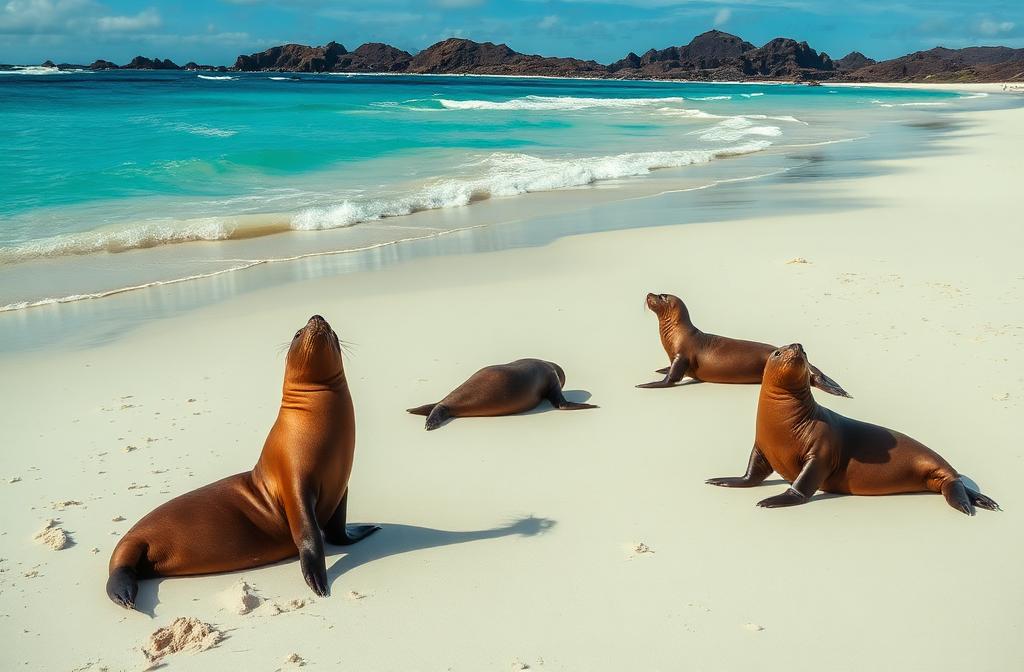
South American beach nightlife operates on principles that most of the world has forgotten. There are no wristbands, no cover charges at the door (usually), and no closing times that anyone takes seriously. The party starts on the sand — always on the sand — with a caipirinha mixed in a cooler by someone who considers the beach their office. It migrates to bars as the light fades, then to clubs, then to late-night food stalls, then sometimes back to the beach as the sun returns. The circularity is the point. In South America, beach nightlife is not an event. It is a cycle.
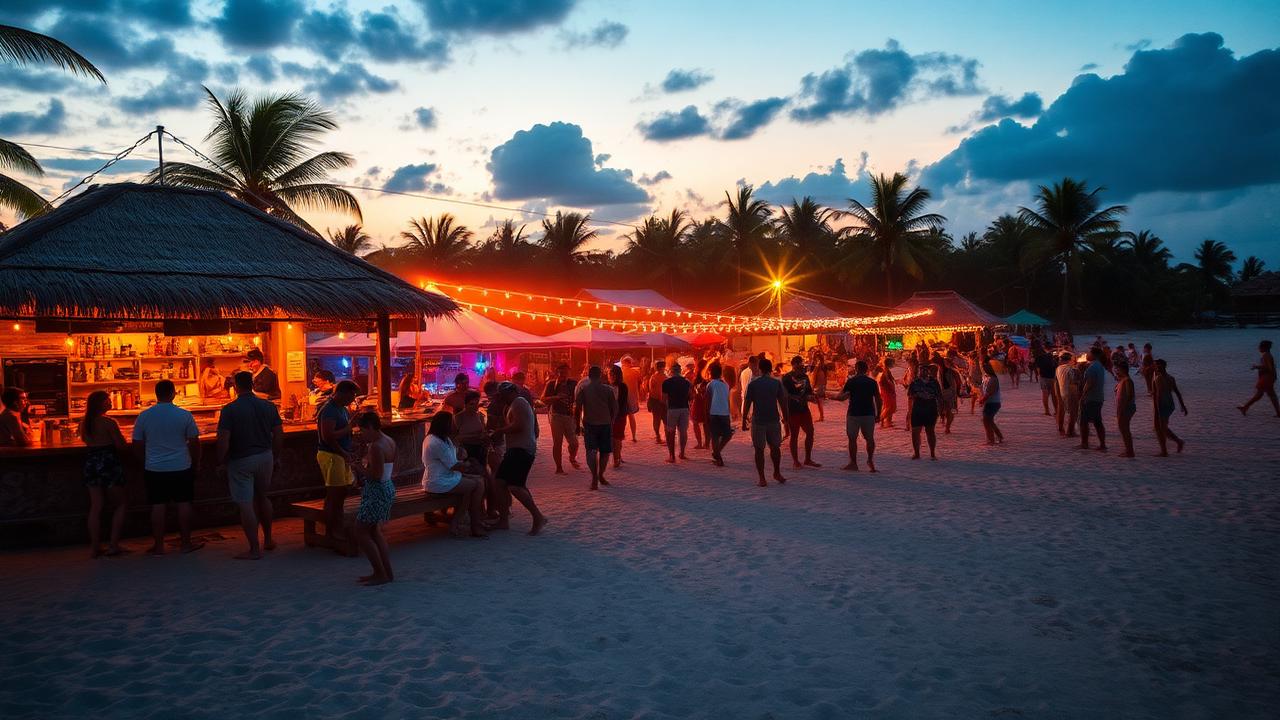
What separates these party beaches from Ibiza or Cancún is cultural depth. You are not dancing in a purpose-built tourist facility. You are in a samba club in a converted warehouse. You are on a rooftop in a colonial city built in the 1500s. You are in a surf village where the DJ is also the guy who waxed your board that morning. The party is woven into the fabric of the place, not applied as a veneer. And that authenticity — messy, loud, occasionally chaotic — is what makes it unforgettable. For the daytime beach experience, see our complete beaches guide.
Rio de Janeiro, Brazil — The Capital of Beach Nightlife
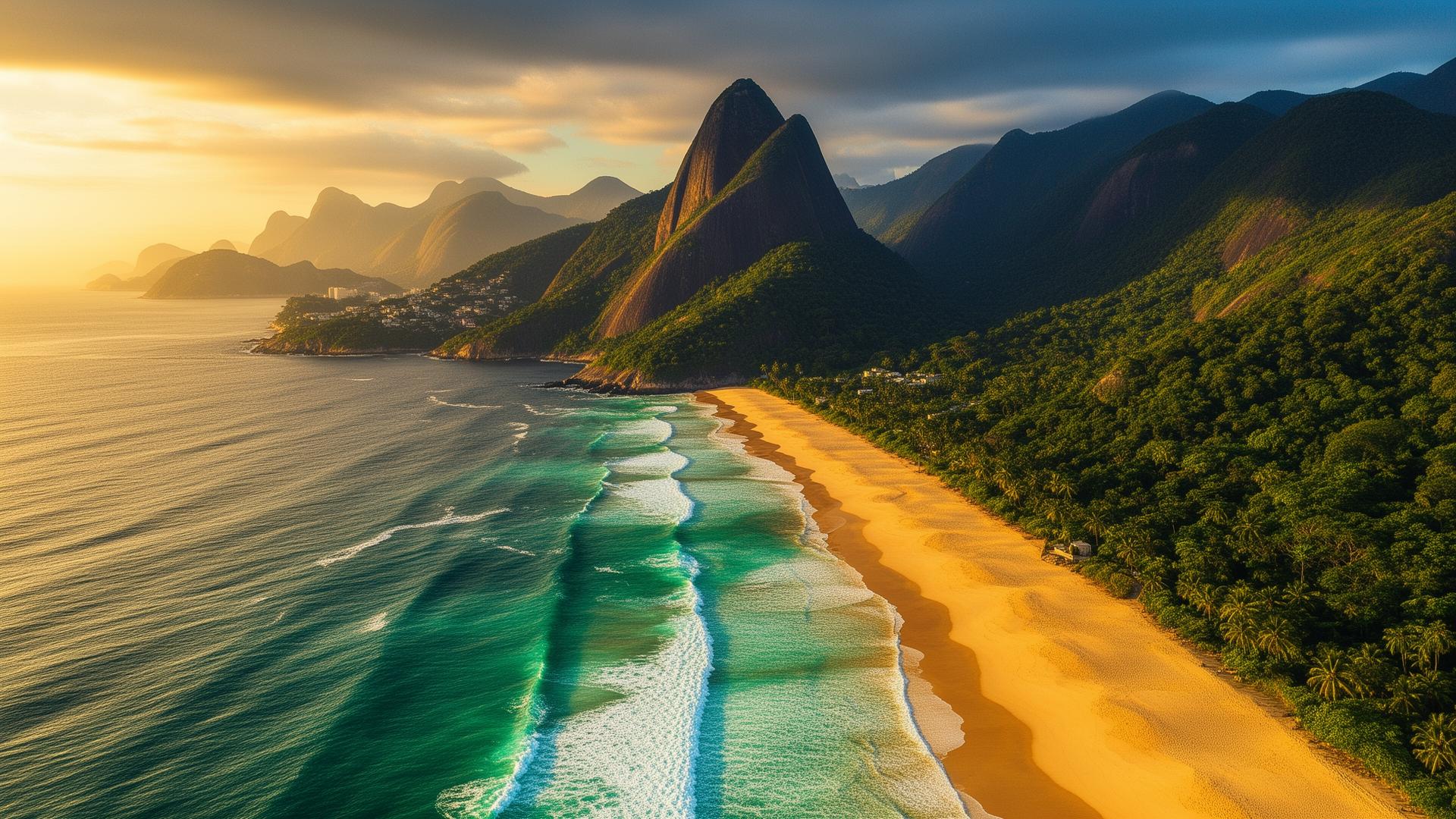
Rio de Janeiro does not distinguish between beach life and nightlife. The two are the same continuum, separated only by whether the sun is up. Copacabana's beach kiosks — permanent structures with chairs, tables, and full bar service — begin serving caipirinhas at midday and do not stop until well after midnight. Ipanema's Posto 9 crowd migrates to Rua Dias Ferreira in Leblon for dinner, then to Lapa for samba, then back to the beach for sunrise caipirinhas at a Copa kiosk that never closed.
Lapa is the epicentre. This former bohemian district, centered on the famous Arcos da Lapa aqueduct, has been reborn as Rio's live music headquarters. On Friday and Saturday nights, the streets fill with a crowd that spills from clubs like Rio Scenarium (a three-floor antiques warehouse with live samba on every level) and Carioca da Gema (smaller, more intimate, with musicians who play with the intensity of people who consider samba a sacred art). Between the clubs, street vendors sell shots of cachaça and skewers of grilled meat, and the whole neighbourhood becomes an open-air party that throbs with percussion until three or four in the morning.
Carnival, of course, escalates everything. For five days in February or March, the entire city becomes a continuous celebration. The blocos — street parties organized by neighbourhood associations, samba schools, and ad hoc groups — start at dawn and run until the participants physically cannot continue. The scale is beyond comprehension: the largest blocos draw hundreds of thousands of people. But Carnival is its own category — an annual event, not a nightly reality. What makes Rio's nightlife exceptional is that the non-Carnival energy is already extraordinary. Any Friday night in Lapa, any Saturday sunset on Arpoador, any random Tuesday at a botequim in Botafogo — these are nights that would be the highlight of a week in most cities.
Best time: Year-round, but December through March is peak energy. Insider tip: Skip the mega-clubs in Barra da Tijuca (tourist-facing, expensive, soulless). Instead, find a roda de samba — informal samba circle gatherings that happen in bars and on street corners throughout the city, especially in the Zona Norte neighbourhoods of Madureira and Méier. These are where Rio's musical heartbeat actually lives. For local picks and hidden nightlife spots, visit the Rio destination page.
Montañita, Ecuador — The Village That Never Sleeps
For a town of perhaps two thousand permanent residents, Montañita generates a volume of nightlife that is genuinely difficult to explain. Cocktail alley — a narrow lane perpendicular to the beach, perhaps 100 metres long — contains more bars per linear metre than any street on the continent. They compete not on exclusivity but on generosity: the drinks are large, the prices are small, and the happy hours overlap in ways that make the concept of a 'regular price' essentially theoretical.
The evening progression follows a predictable but enjoyable arc. Sunset drinks on the beach (bring your own or buy from vendors). Dinner at one of the town's dozen restaurants — the seafood is fresh and cheap, the portions are generous. Cocktail alley from about nine, where the bars begin their nightly competition for attention with music, promoters, and two-for-one deals. Around midnight, the beach takes over — fire dancers perform on the sand, someone sets up speakers, and the party migrates from enclosed spaces to open air. By two, the crowd has sorted itself: the survivors are dancing on the beach, the tired are in hammocks, and the surfers are calculating whether it is worth sleeping at all before dawn patrol.
What keeps Montañita's party scene from tipping into seediness is the community. This is not a resort strip where tourists arrive, party, and leave. The bartenders, the DJs, the fire dancers — they live here. Many of them came as travellers, fell in love with the wave or the atmosphere or both, and stayed. The result is a party scene with genuine soul, where the same faces appear night after night and newcomers are absorbed into the rhythm within hours. Read our surf guide for the daytime half of the Montañita experience.
Best time: Year-round, but weekends draw the Guayaquil crowd and double the energy. Insider tip: The best bar in Montañita has no name. It is the last one on the left side of cocktail alley, run by a Colombian woman who makes flavoured aguardiente infusions in glass jars behind the bar. Ask for the maracuyá (passion fruit). You will not regret it.
Florianópolis, Brazil — Summer Club Scene
Florianópolis transforms during the southern hemisphere summer. From December through March, Brazil's beautiful crowd descends on the island, and the nightlife shifts from small-town bar scene to something approaching Ibiza — but with a Brazilian accent. Jurerê Internacional, on the island's north coast, is ground zero: a strip of mega-clubs (P12, Café de la Musique) that host international DJs, pool parties that start at noon and end at dawn, and a door policy that favours the photogenic.
For those who find Jurerê's scene too curated, the Lagoa da Conceição area — the island's bohemian centre — offers bars with live Brazilian music, craft breweries, and a late-night restaurant scene that runs until two or three in the morning. The contrast is instructive: Jurerê is performance nightlife, designed to be seen. Lagoa is participatory — you are not watching the party, you are in it. Both have their appeal, and the fact that they coexist on the same island, twenty minutes apart, is part of what makes Floripa work as a party destination.
Best time: December through February for full club season. March offers a mellower but still active scene. Insider tip: Praia Mole's beach bars transition from daytime surf-watching spots to nighttime DJ bars with a seamlessness that makes the question 'when did the party start?' genuinely unanswerable.
Cartagena, Colombia — Colonial Nightlife
Cartagena's nightlife operates at a different register from Rio or Montañita. The energy is not frantic — it is warm, rhythmic, and deeply tied to the city's setting. An evening might begin at Café del Mar, on the old city walls, watching the sun set over the Caribbean with a cocktail in hand and a DJ playing low-tempo house music. It continues with dinner in the old town — a candlelit table in a courtyard restaurant where the stone walls are four centuries old and the ceviche was swimming that morning.
After dinner, the party moves to Getsemaní — the neighbourhood adjacent to the old town that has transformed from working-class residential to Cartagena's nightlife centre. Plaza de la Trinidad fills with street performers, beer vendors, and a young crowd that spills from the surrounding bars. Salsa clubs line the nearby streets — Café Havana is the most famous, a sweat-soaked room with a live band that plays with the urgency of musicians who know they're good. The dancing is not performance — it is participation. If you don't know the steps, someone will teach you. If you do, someone will challenge you.
The rooftop bar scene has exploded in recent years, and the combination of warm evening air, Caribbean views, and colonial skyline creates an atmosphere that no purpose-built resort can replicate. Alquímico, a three-level cocktail bar in a restored colonial building, is the standard-bearer — each floor has a different character, and the rooftop view of the floodlit cathedral dome against a dark sky is genuinely beautiful.
Best time: Year-round, but December through April for warm, dry evenings. Insider tip: The best salsa in Cartagena is not at Café Havana — it is at Quiebra Canto in the Getsemaní neighbourhood, where the crowd is entirely local and the dancing is several levels above the tourist spots. Go after midnight. For daytime experiences, explore the Cartagena Local Picks.
Salvador, Brazil — Axé and Afrobeat on the Sand
Salvador's nightlife is inseparable from its musical heritage. This is the city that produced axé, pagode, and a percussion tradition rooted in West African rhythms that arrived with the slave trade and evolved into something entirely new. The result is a nightlife scene where live music is not entertainment — it is civic identity.
The Pelourinho historic district on Tuesday nights hosts the Bênção — a free street party that starts at the churches and flows down through cobblestone streets lined with food vendors and beer sellers. Olodum, the drum corps that recorded with Paul Simon, still rehearses in open sessions that visitors can attend. The neighbourhood's bars and restaurants — many occupying colonial-era buildings with high ceilings and thick walls that contain the sound beautifully — feature live music every night of the week.
Rio Vermelho, a beachside neighbourhood twenty minutes from the old town, offers a different energy — bars and restaurants lining a waterfront promenade, with live music that ranges from intimate MPB (Música Popular Brasileira) to full-band forró. The acarajé stands here operate until two in the morning, and the combination of fresh-fried street food and live music under a warm sky is Salvador at its most essential.
Best time: Year-round, with Carnival in February/March being the ultimate expression. Insider tip: The candombe terreiros (Afro-Brazilian religious ceremony spaces) in the Engenho Velho neighbourhood occasionally host public celebrations with drumming and dance that are the genuine article — profound, beautiful, and completely unlike the tourist shows. Ask at Casa do Olodum for schedules. For budget tips, see our budget guide.
Planning Your Party Beach Trip
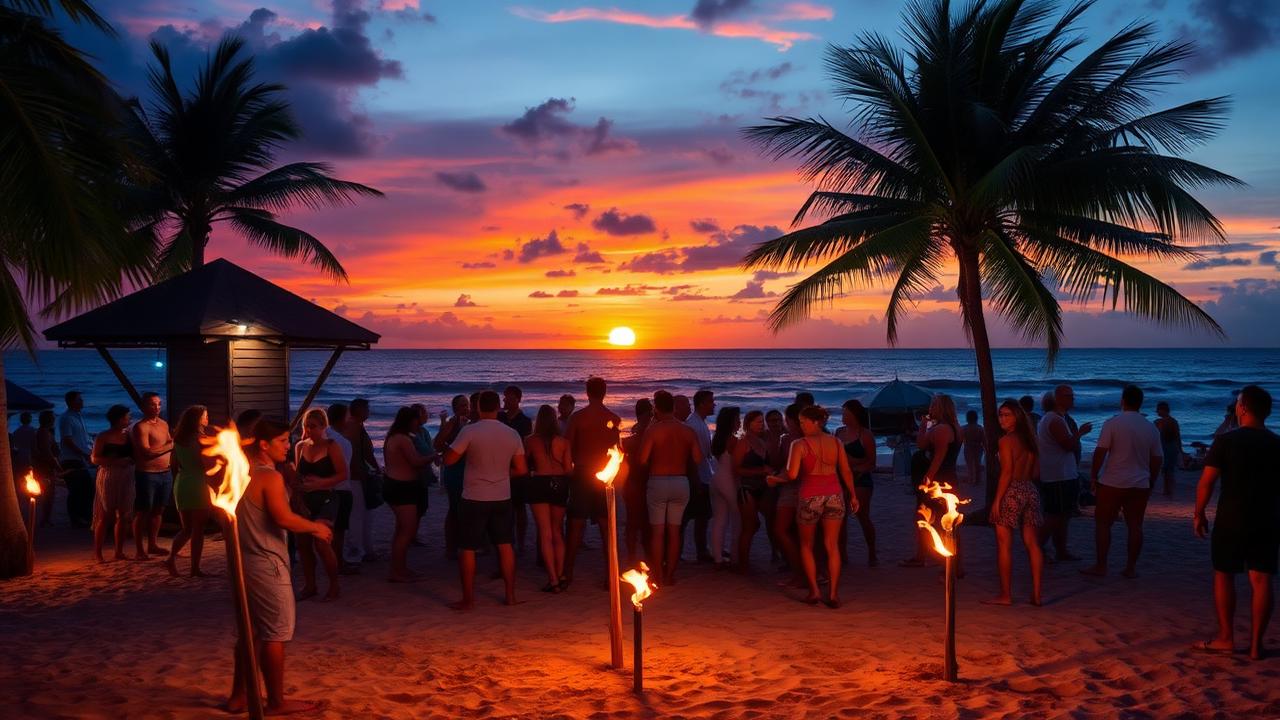
The optimal South American party itinerary combines cities for maximum contrast. Start in Rio for the world's greatest beach-bar-club continuum. Fly to Cartagena for colonial salsa nights. Finish in Montañita for the village party that never ends. Each destination offers a completely different nightlife register, and the combination is a party trip unlike anything the Caribbean or Europe can offer.
For the complete beach guide, visit our South America overview. For timing advice, read our best time to visit guide. And for daytime balance, explore the South America destination hub.