Best Beaches in South America
From Brazil's iconic urban shores to Colombia's Caribbean coast and Peru's hidden Pacific gems — discover the finest beaches across South America.
By BeachLoco Editorial
South America's Most Stunning Beaches
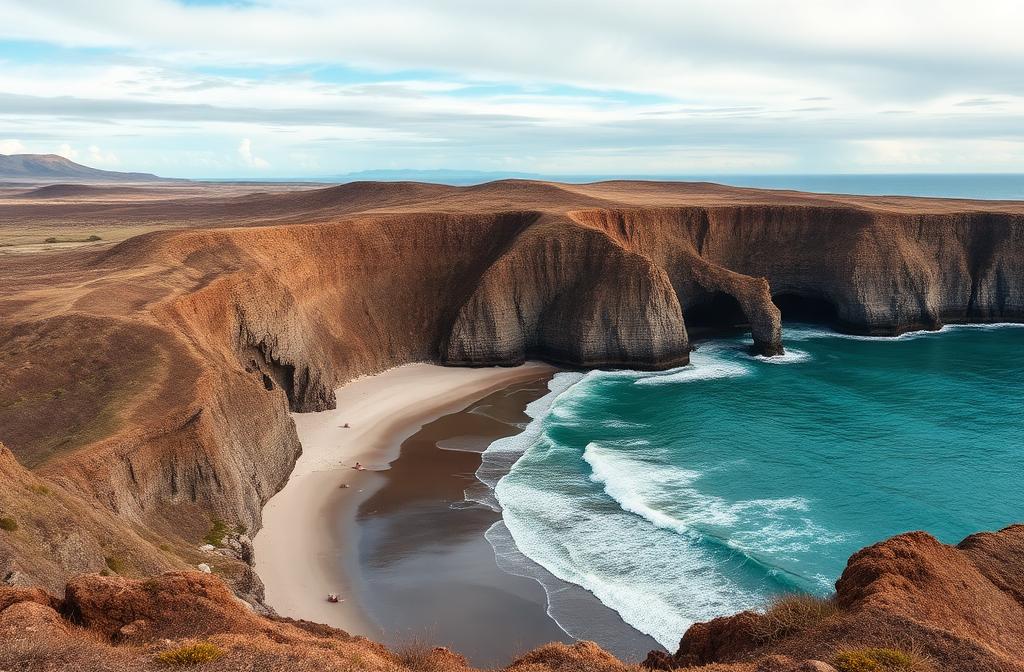
There is a particular quality to South American coastline that separates it from every other beach continent. It is not simply the water — though the gradient from Atlantic cobalt to Caribbean aquamarine to Pacific jade is extraordinary. It is the way the beaches exist as extensions of the culture behind them. In Rio de Janeiro, the sand is a living room. In Cartagena, the beach is an afterthought to the city itself, and somehow better for it. In Ecuador, the beach is the reason a town exists at all.
This guide covers the continent's finest stretches of coast — from the world-famous urban beaches of Brazil to hidden coves accessible only by jungle trail. South America spans two oceans and nearly 30,000 kilometres of coastline across a dozen countries, and the diversity is staggering. You can surf serious reef breaks at dawn, eat ceviche made from the morning catch at noon, and dance to cumbia on warm sand after dark — all in the same day, all for a fraction of what a comparable Caribbean or European trip would cost.
What follows is not a list of nice places to lie down. It is a guide to the beaches that define South American coastal life — the ones worth flying for, the ones worth a detour, and the ones that will change what you think a beach can be. For a deeper dive into timing and seasons, see our best time to visit guide, and for budget strategy, our affordable destinations guide.
Copacabana and Ipanema — Rio de Janeiro, Brazil
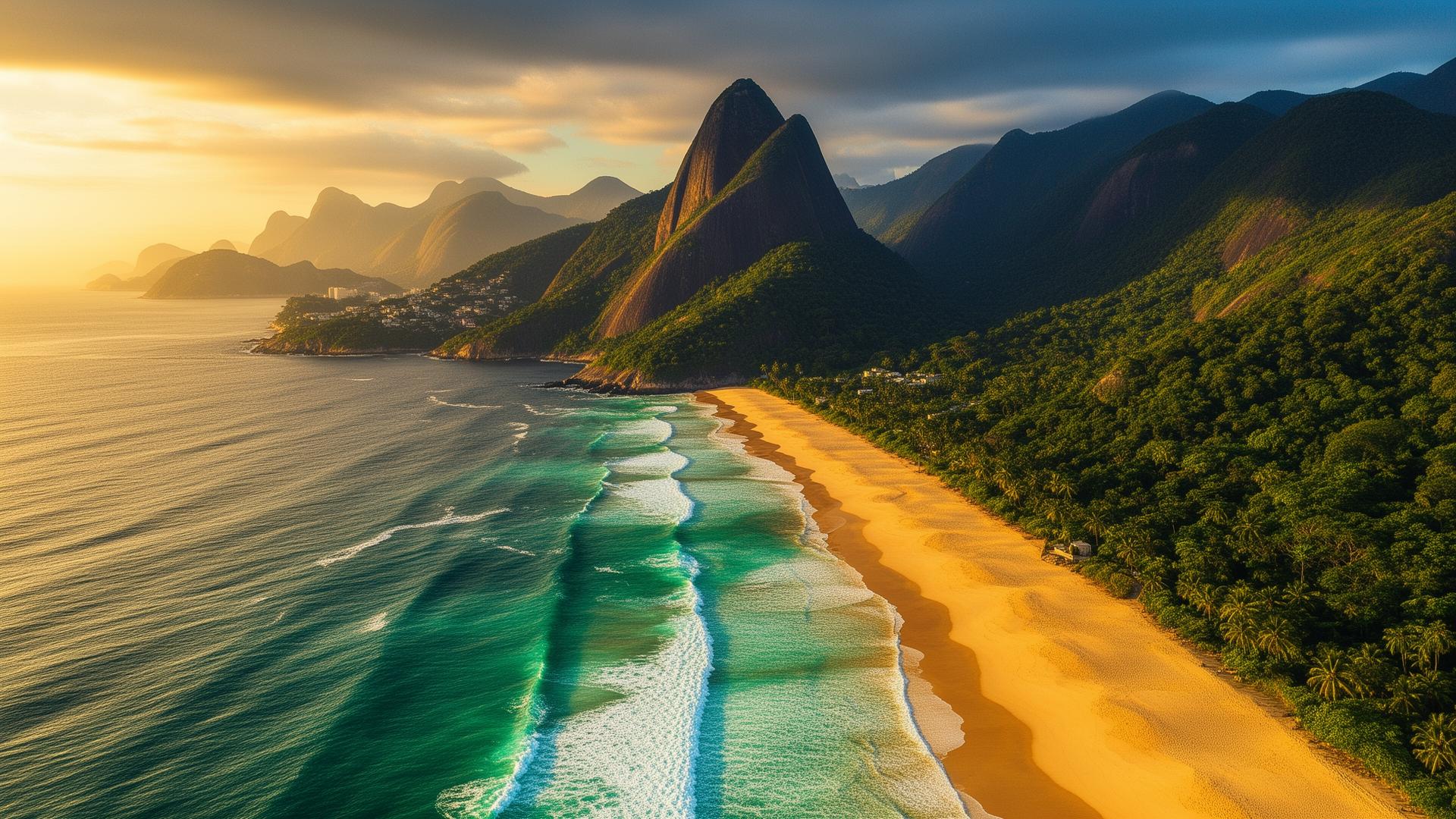
The morning light hits Ipanema from the east, casting long shadows from the Dois Irmãos peaks across sand that is already occupied by the first wave of joggers and swimmers. By nine, the postos — numbered lifeguard stations that serve as neighbourhood markers — are filling with their regulars. Posto 9 draws the artistic crowd and the beautiful. Posto 7 belongs to families. The gay community gathers near Posto 8. Each section of this four-kilometre beach operates as its own distinct village, and navigating them is part of the experience.
Rio de Janeiro's beaches are not destinations you visit — they are ecosystems you enter. Copacabana, the older and more democratic of the two famous stretches, runs for four kilometres in a sweeping crescent that catches every angle of afternoon sun. The sand here is coarser than Ipanema's, the crowd more mixed, the energy more chaotic. Vendors sell everything from grilled cheese on sticks to caipirinha cocktails mixed in coolers. Football games erupt in the gaps between sunbathers. It is, by any measure, one of the great public spaces on Earth.
What separates Rio's beaches from other famous strands is integration. The beach is not separate from the city — it is the city's centre. Cariocas (Rio locals) conduct business meetings in board shorts, schedule social lives around tides, and judge a neighbourhood by its proximity to the water. The result is a beach culture that runs deeper than tourism. When you sit on Ipanema at five in the afternoon and watch the entire neighbourhood applaud the sunset — a daily tradition — you understand that this is not performance. It is simply how life works here.
Best time: December through March for peak energy and warmest water. April and May for quieter mornings and lower hotel rates. Avoid the first week of January when domestic tourism makes the sand standing-room only. Insider tip: Skip the beachfront restaurants on Avenida Atlântica. Walk two blocks inland to Rua Dias Ferreira in Leblon for where locals actually eat — Sushi Leblon and CT Boucherie are favourites, but even the corner botequins serve better food than the tourist strip. For our full guide to Rio de Janeiro, including nightlife and local picks, visit the destination page.
Florianópolis — Brazil's Island Surf Capital
Florianópolis does not announce itself. The island sits off the coast of southern Brazil, connected to the mainland by a bridge that deposits you into what feels like a quiet state capital. Then you drive twenty minutes in any direction and the coastline opens up — 42 beaches spread across an island roughly the size of Manhattan and Brooklyn combined, each with a distinct personality and a loyal following.
Florianópolis (locals call it Floripa) is where Brazilian surfers come to earn their reputation. Joaquina, on the east coast, hosts international competitions on its consistent beach break. The wave is not world-class in isolation, but the setting is — a wide amphitheatre of sand backed by dunes that catch golden light in the late afternoon. Praia Mole, just north, draws a younger, more fashion-conscious crowd who come as much for the beach bars as the waves. The contrast between the two — separated by a short headland — captures the island's range.
The real magic of Floripa, though, is in the beaches you have to work for. Lagoinha do Leste requires a 90-minute hike through Atlantic rainforest — steep, muddy in places, and absolutely worth it. The trail deposits you at a crescent bay of golden sand with no buildings, no road access, and usually no more than a dozen people. It is, without exaggeration, one of Brazil's most beautiful beaches, and the effort required to reach it is its best protection. For those who prefer their remoteness with less sweat, Naufragados at the island's southern tip requires a shorter trail and delivers a similar sense of escape.
Best time: December through February for warm water and beach club energy. June through August for serious surf — the south swells deliver the island's most powerful waves, and accommodation prices drop dramatically. Insider tip: Rent a car. Floripa's beaches are spread across the island, and the bus system, while functional, eats time you should spend in the water. The drive from Joaquina to the northern beaches of Daniela and Jurerê takes you through landscapes that shift from dunes to lagoons to forest in an hour. Read our South America surf guide for break-by-break detail.
Búzios — The Brazilian Riviera
Búzios exists because Brigitte Bardot visited in 1964 and told the world about it. A bronze statue of the actress stands on the waterfront of this former fishing village, two hours east of Rio, and the town has been trading on that association ever since — though it has long since outgrown the anecdote.
Búzios occupies a peninsula that juts into the Atlantic like a crooked finger, creating 23 beaches in the process. The geometry is the secret — the peninsula catches swells from multiple directions, so there is always a calm bay on one side when the surf is up on the other. Geribá, on the exposed southeast face, draws surfers and kite-boarders with its consistent break and wide expanse of sand. Ferradura ('horseshoe'), tucked into a sheltered cove on the west side, offers calm water so clear you can watch schools of fish from the shore. João Fernandes, to the north, splits the difference — swimmable, snorkellable, and walkable from the town centre.
The town itself has the feel of a Mediterranean village transplanted to the tropics. Rua das Pedras, the cobblestone main street, is lined with boutiques, galleries, and restaurants that serve a standard well above typical Brazilian beach towns. Dinner at Rocka is a candlelit affair on a deck above the water. Chez Michou serves crêpes at midnight to a crowd that has been bar-hopping since nine. The nightlife is not Rio — it is more intimate, more curated, and more expensive.
Best time: October through December — the weather warms, the summer crowds haven't arrived, and hotel rates are at their most reasonable. January is peak season with prices to match. Insider tip: Take a water taxi from the town wharf to the northern beaches instead of driving. The twenty-minute boat ride reveals the coastline from the sea, and you arrive at empty stretches that the day-trippers from Rio never find.
Cartagena and the Rosario Islands — Colombia
Cartagena's relationship with its beaches is complicated. The city itself — the old walled centre with its pastel-painted colonial buildings, bougainvillea-draped balconies, and candlelit plazas — is one of the most beautiful urban environments in the Americas. But the city beaches, while convenient, are not the attraction. Bocagrande's high-rise-lined strand is functional but unremarkable. The magic happens when you leave the city behind.
The Rosario Islands lie 45 minutes by speedboat from Cartagena's harbour — a scattering of small coral islands where the water turns from Caribbean blue to the kind of transparent turquoise that stops conversation. Isla Grande offers day-trip infrastructure with beach clubs and snorkelling. The smaller islands — Isla del Pirata, Isla Múcura — feel genuinely remote, with wooden docks and palm-shaded beaches that see perhaps twenty visitors a day. Playa Blanca, on the nearby Barú peninsula, has become more developed in recent years but still delivers the white sand and clear water that justifies the boat ride.
What makes Cartagena exceptional as a beach destination is not any single stretch of sand — it is the combination. You spend the morning on an island with water clear enough to see the coral below. You return to one of the Americas' great historic cities for an afternoon of wandering through art galleries in San Diego and gelato shops in the old town. You eat ceviche at La Cevichería — the restaurant Anthony Bourdain made famous — and watch the sunset from the city walls at Café del Mar. The beach is one element in a richer experience, and that layering is what brings visitors back.
Best time: December through April for the driest weather and calmest seas. March offers the best balance of weather and value. Insider tip: Skip the large-group boat tours to Rosario and hire a private boatman from the Bodeguita pier. The price difference is modest, but you'll have control over timing and can visit quieter islands. Check our Colombia beaches guide for more island recommendations. For the best local dining and experiences, explore the Cartagena Local Picks.
San Andrés — The Sea of Seven Colours
The first time you see San Andrés from the air, the water below the plane shifts through gradients of blue and green that seem digitally enhanced. They are not. This small Colombian island, 775 kilometres from the mainland and closer to Nicaragua than to Bogotá, sits on a shallow coral platform that fragments sunlight into what locals call the 'Sea of Seven Colours' — and the name undersells it.
San Andrés is a genuine Caribbean island running on Colombian economics, which makes it one of the region's best-value destinations. Spratt Bight, the main town beach, offers a wide strip of white sand and calm water that would cost three times as much on Aruba. Johnny Cay, a tiny island a short boat ride offshore, is a sandbar surrounded by reef — a snorkelling spot so good it feels curated. Rocky Cay, reachable by wading at low tide, provides the kind of Robinson Crusoe moment that larger Caribbean islands have engineered out of existence.
The island's culture is as distinctive as its water. San Andrés is Raizal — the indigenous Afro-Caribbean-English-speaking community that predates Colombian sovereignty. Their creole cooking (rondón, a slow-cooked coconut seafood stew, is the signature dish), reggae-inflected music, and Baptist churches give the island a flavour entirely different from mainland Colombia. This is not Cartagena with better water — it is a separate world.
Best time: January through April for the clearest water and calmest conditions. The tourist tax (tarjeta de turismo) is required on arrival — buy it online in advance to skip the airport queue. Insider tip: The west side of the island, away from the town, has beaches that most tourists never visit. Rent a golf cart (the island's preferred transport) and drive the 30-minute ring road to find them. For a detailed comparison with Caribbean alternatives, see our South America vs Caribbean comparison.
Montañita — Ecuador's Surf and Soul Village
Montañita exists in a state of permanent, cheerful disorder. This small village on Ecuador's central coast has no traffic lights, no chain hotels, and no particular interest in conventional tourism infrastructure. What it has is a left-hand point break that peels for 200 metres, a cocktail alley that ignites after dark, and a community of surfers, artists, and nomads who arrived for a week and never left.
Montañita's main break works best on swells from the southwest, which arrive with reliable consistency from December through April. The wave itself is forgiving enough for intermediates — a long, workable wall with occasional sections that allow more advanced surfers to carve. During bigger swells, the point delivers genuine power, and the lineup gets competitive in the way that small-town surf spots do — respectful but focused. North of the point, La Punta offers a beach break that handles beginners well.
The town's nightlife has an energy disproportionate to its size. Cocktail alley — a narrow lane off the main street — fills every evening with bars serving bucket-sized drinks to a soundtrack that shifts from reggaeton to electronic as the night deepens. Fire dancers perform on the beach. Street vendors sell empanadas at two in the morning. The party peaks on weekends when visitors from Guayaquil and Quito double the population, but even midweek, Montañita keeps its lights on later than most beach towns its size have any right to. For nightlife comparisons, read our party beaches guide.
Best time: December through April for the warmest water and most consistent surf. The town is quieter (and cheaper) from June to November, though the water cools and the waves become less predictable. Insider tip: Walk south past the point break to Playa de los Frailes in Machalilla National Park — a white-sand beach backed by dry forest that sees a handful of visitors per day. It is one of Ecuador's finest beaches and it is free. See our hidden beaches guide for more.
Máncora — Peru's Warm-Water Paradise
Peru is not a country most people associate with beach holidays, which is precisely what makes Máncora so rewarding. This former fishing village in the far north of Peru — closer to the Ecuadorian border than to Lima — sits where the cold Humboldt Current gives way to warm equatorial waters, creating a microclimate of year-round warmth that the rest of Peru's coast cannot offer.
The main beach runs for several kilometres along a low bluff lined with boutique hotels, surf shops, and cevicherías that serve fish caught that morning by the fishermen who still launch pangas from the northern end of town. The surf is a long, left-hand point break that handles everything from knee-high learner waves to overhead barrels when the right swell hits. Unlike Montañita's party energy, Máncora's vibe is slower — more hammock than nightclub, more fresh juice than cocktail.
What makes Máncora special is its function as a gateway. Los Órganos, fifteen minutes south, offers a quieter beach with seasonal whale watching (humpbacks, August through October). Vichayito, ten minutes further, is Máncora's luxury annex — boutique resorts on a wider beach with calmer water. Punta Sal, an hour north, is where Peruvians with means build their beach houses. Together, they create a coastal corridor that offers everything from budget backpacker to genuine luxury within a short drive.
Best time: Year-round warmth, but December through March brings the hottest days and warmest water. The town gets busy during Peruvian holidays (Christmas, Semana Santa, Fiestas Patrias in late July). Insider tip: The ceviche at Angela's Place (a family kitchen with no sign, ask locally for directions) is better than anything on the main drag. Eat it for lunch — ceviche is a daytime food in Peru, and the best places close by three. For budget planning, see our cheapest beach destinations guide.
Salvador — Bahia's Cultural Coast
Salvador is the city where Brazil's African heritage meets the Atlantic Ocean, and the collision produces a beach culture unlike anywhere else on the continent. The city was the first capital of colonial Brazil and the primary port of the Atlantic slave trade, and that history — painful, complex, and ultimately generative — is audible in every drum circle on Porto da Barra and visible in every capoeira roda that forms on the Farol da Barra waterfront.
Porto da Barra is Salvador's signature beach — a short crescent of calm water set below the baroque skyline of the upper city. It makes every list of Brazil's best urban beaches, and deservedly so: the water is warm, the setting is dramatic, and the late-afternoon light turns the colonial buildings above into a palette of terracotta and gold. It is also genuinely functional — small enough to feel communal, calm enough for children, and close enough to the city centre that you can walk from the Pelourinho historic district in twenty minutes.
Beyond Porto da Barra, Salvador's coastline extends northeast through a series of larger, more exposed beaches — Ondina, Rio Vermelho, Amaralina — that draw surfers and locals on weekends. Itapuã, further out, was immortalised by Vinícius de Moraes (the poet behind 'The Girl from Ipanema') and retains a village feel despite the city's spread. The beach bars here serve acarajé — Salvador's iconic deep-fried bean fritters filled with vatapá (a shrimp and cashew paste) — that are genuinely addictive and cost almost nothing.
Best time: December through March for summer warmth. Salvador's Carnival (the largest street party in the world, held the week before Lent) transforms the city into something between celebration and endurance event — extraordinary, but not a beach holiday. Insider tip: Tuesday nights in Pelourinho feature 'Bênção' — a free street party with live music that starts at the churches and flows down through the cobblestone streets. It is Salvador distilled into a single evening.
Planning Your South American Beach Trip
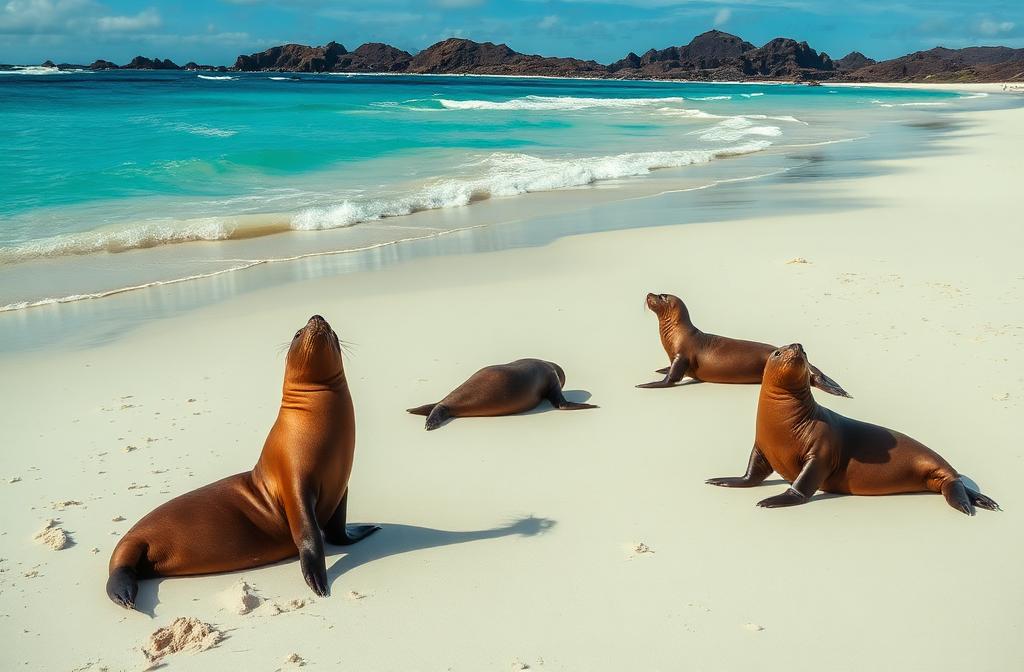
South America rewards the traveller who plans by region rather than country. Brazil's coastline alone could occupy a month, but combining Rio with Cartagena (a five-hour flight) or adding Montañita to a Peru itinerary creates a richer trip than any single country can offer. The continent's budget-friendly economics mean that two weeks here costs what one week in the Caribbean might, with experiences that run deeper.
For the full destination explorer — every city, every beach, every local recommendation — visit our South America destination hub. To compare South American beaches with Caribbean alternatives, see our detailed comparison. And for country-specific depth, explore our Brazil beaches guide and Colombia beaches guide.