Hidden Beaches in South America
Escape the crowds and discover South America's most secluded and untouched coastal gems — from jungle-framed bays to remote Pacific coves.
By BeachLoco Editorial
South America's Best-Kept Coastal Secrets
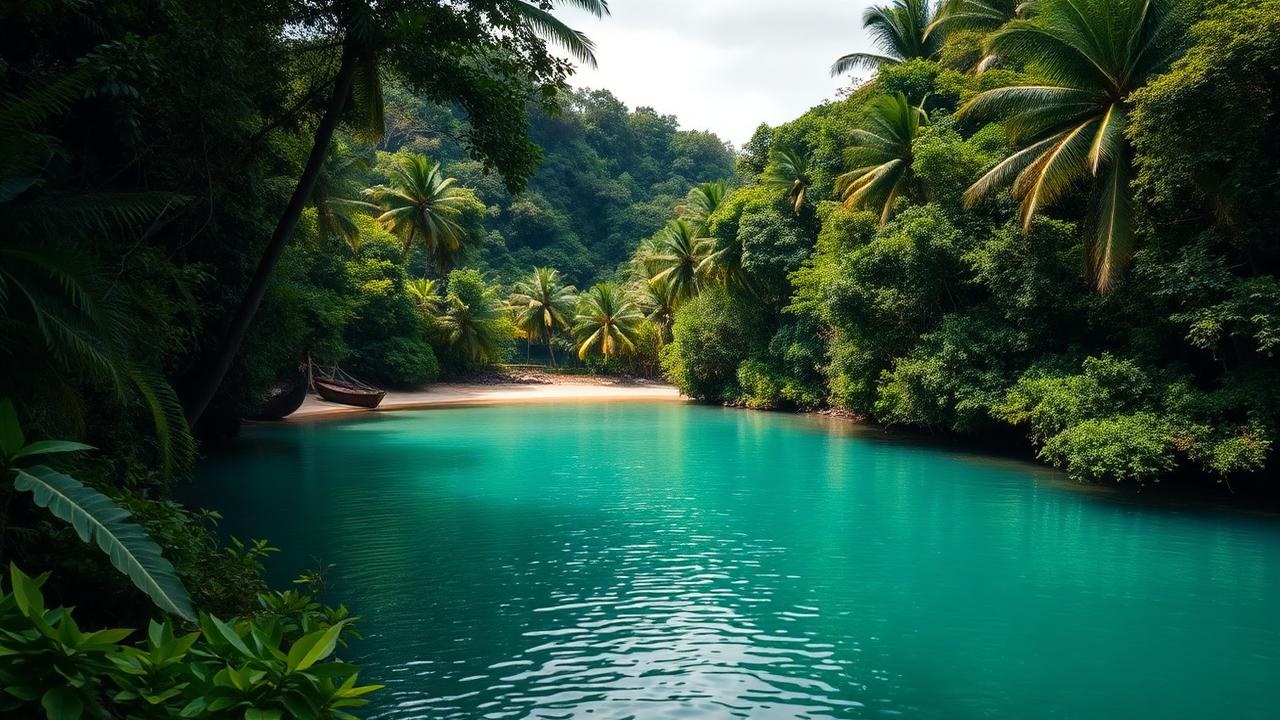
The paradox of hidden beaches is that the best ones are hidden for a reason — a jungle trail that discourages the casual, a boat ride that requires local knowledge, a national park that limits daily visitors. South America, with its vast coastline and uneven infrastructure, has preserved more of these secret shores than any other continent. Where the Caribbean has been developed into resort efficiency and Southeast Asia has been Instagrammed into visibility, South America's remotest beaches remain genuinely difficult to reach, lightly visited, and startlingly beautiful.
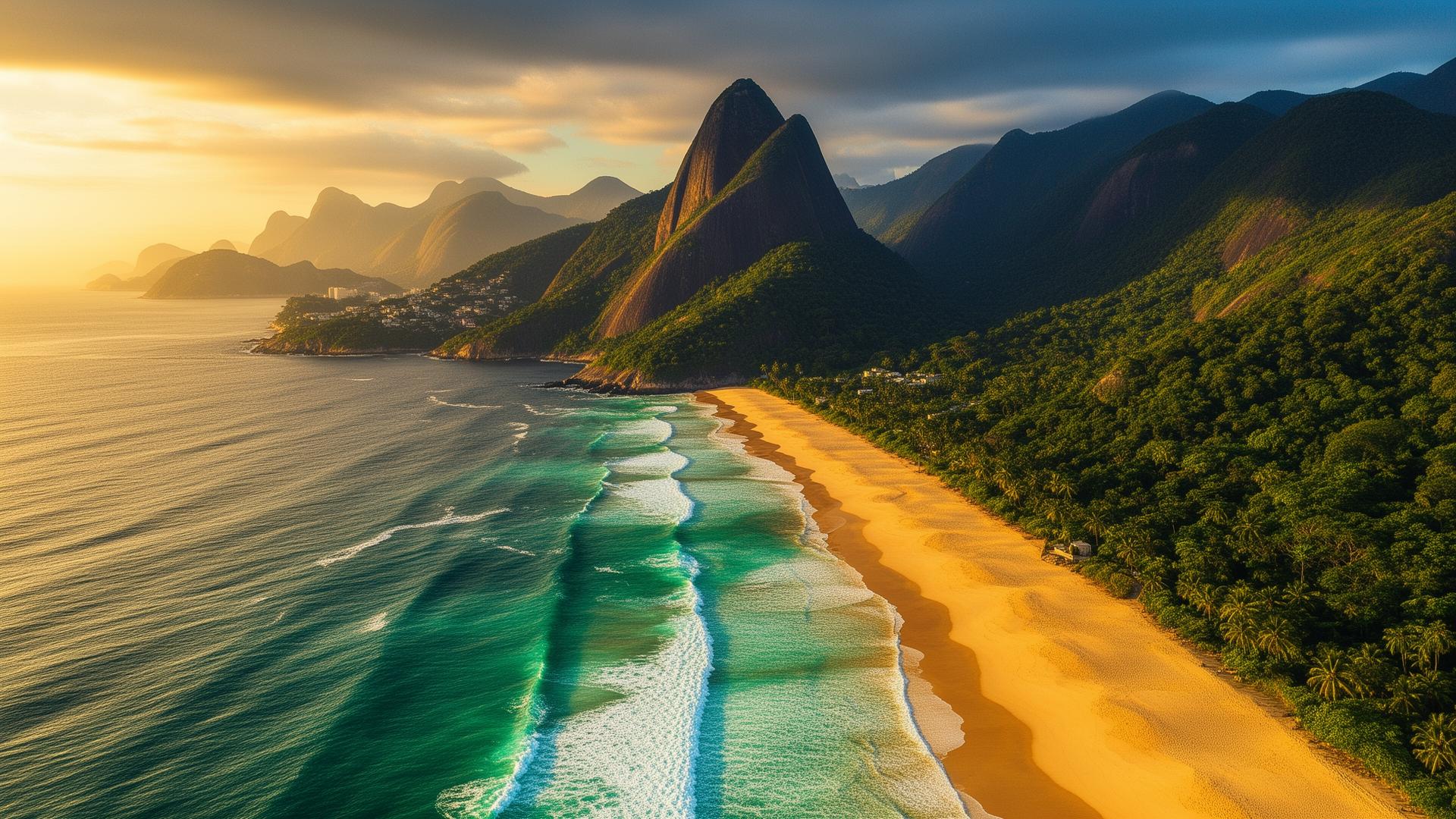
These are not undiscovered — locals know them, surfers have mapped them, and the occasional travel writer has written about them. But they remain uncrowded because access requires effort, planning, or both. That effort is the filter, and what waits on the other side is the kind of beach experience that most travellers assume no longer exists: empty sand, clear water, and the particular silence that comes from being somewhere the modern world has not yet fully reached. For the broader picture, see our South America beaches guide.
Lagoinha do Leste — Florianópolis, Brazil
The trail from Pântano do Sul begins in the car park of a small fishing village and climbs immediately into Atlantic rainforest thick enough to block the sky. For forty-five minutes, you ascend through a tunnel of vegetation — bromeliads clinging to tree trunks, spider webs catching morning light, the sound of the ocean fading behind you and then, gradually, returning from a different direction. The trail crests a ridge, and suddenly you are looking down at one of Brazil's most beautiful beaches: a perfect crescent of golden sand backed by forest, with a waterfall tumbling into the shallows at its southern end.
Lagoinha do Leste has no road access, no vendors, no beach chairs, and no cell signal. What it has is a powerful beach break that works on south swells, a freshwater lagoon behind the sand where you can rinse off the salt, and a quality of silence that is startling on an island with 500,000 residents. On weekdays, you might share the beach with five or six people. On weekends, perhaps twenty. By Florianópolis standards, this qualifies as isolation.
The return hike via the Matadeiro trail is longer but more spectacular — it follows the cliff edge with views across open ocean before descending to Praia do Matadeiro, where a small waterfall cascades directly onto the beach. From there, a fifteen-minute walk along the shore returns you to Pântano do Sul and, if you have timed it right, a late lunch of fresh grilled fish at Bar do Arante, whose walls are covered in handwritten notes from decades of visitors.
Best time: March through May for warm water and fewer hikers. Insider tip: Take the Pântano do Sul route in (shorter, steeper) and the Matadeiro route out (longer, more scenic). Bring at least two litres of water, reef-safe sunscreen, and snacks. There is nothing for sale at the beach. For more Floripa recommendations, see our surf guide.
Cabo San Juan — Tayrona National Park, Colombia
Tayrona's most famous beach requires a two-hour trek through tropical forest from the park entrance — passing through a succession of beaches that increase in beauty as the trail narrows and the jungle thickens. Arrecifes is dramatic but dangerous (strong currents make swimming inadvisable). La Piscina is calmer, with natural pools among boulders. And then Cabo San Juan del Guía reveals itself: a horseshoe bay divided by a massive granite promontory, with calm swimming water on one side, wilder surf on the other, and a hammock platform perched on top of the rocks between them.
The setting is extraordinary. The Sierra Nevada de Santa Marta — the world's highest coastal mountain range — rises directly behind the beach, its peaks occasionally visible through cloud. The forest grows to the tideline. Giant boulders, smoothed by millennia of wave action, frame the bay like sculpture. The water is Caribbean-clear, warm enough to swim for hours, and teeming with enough fish to make snorkelling worthwhile even without a reef.
Camping is available on both sides of the bay — hammocks can be rented, or you can pitch a tent on designated platforms. The experience of falling asleep to the sound of waves and howler monkeys, waking to dawn light filtering through palm fronds, and swimming in an empty bay before the day-hikers arrive from the park entrance is one of Colombia's great travel moments. The park limits daily visitors and closes periodically for ecological recovery — check the schedule before planning.
Best time: December through February for driest weather. Insider tip: Enter from the Calabazo entrance on the eastern side — less crowded and better forest walking. The trail takes longer but the experience is markedly better. For more Colombia beach options, see our Colombia guide.
Praia do Sancho — Fernando de Noronha, Brazil
Consistently rated the world's best beach, Praia do Sancho earns the title through a combination of natural beauty and enforced scarcity. Fernando de Noronha, a volcanic archipelago 350 kilometres off Brazil's northeast coast, limits daily visitors, charges an escalating preservation tax, and offers limited accommodation. The result is a beach that remains pristine despite its global reputation.
Access to Sancho requires descending through a crack in the cliff face via fixed iron ladders — a passage that feels more spelunking than beach-going. You emerge onto a crescent of fine golden sand enclosed by volcanic walls draped in green vegetation, with water so transparently turquoise that the depth is genuinely deceiving. Spinner dolphins play in the bay most mornings, visible first from the clifftop viewpoint and then, if you are lucky, from the water as you swim. The snorkelling is exceptional — sea turtles, reef fish, and occasional nurse sharks in water with fifteen-plus metres of visibility.
Baía dos Porcos, a fifteen-minute rocky scramble from Sancho, is even more exclusive — a tiny bay with natural pools among volcanic boulders that fills at high tide with warm, calm water. The snorkelling here happens in waist-deep water over rocks colonised by coral and anemones, and the fish density is remarkable. Bring a mask and nothing else — there is no shade, no facilities, and no need for either.
Best time: August through December for clearest water. Insider tip: The 'Ilha Tour' jeep circuit is the most efficient way to see the archipelago and identify which beaches deserve your return visits. Book it for your first full day. For more Brazil beach recommendations, see our Brazil guide.
Los Frailes — Machalilla National Park, Ecuador
Thirty minutes south of Montañita, Machalilla National Park protects a stretch of dry tropical coast that feels closer to the Galápagos than to mainland Ecuador. Los Frailes is the park's showcase beach — a wide crescent of white sand backed by dry forest, with water clear enough to snorkel from the shore and a daily visitor count that rarely exceeds twenty.
The trail from the park entrance passes through two smaller beaches before arriving at Los Frailes — each worth a pause, but none matching the main event. The forest along the trail is home to frigate birds, blue-footed boobies (yes, on the mainland), and marine iguanas that bask on the rocks at the beach's edges. The snorkelling along the rocky headlands reveals schools of tropical fish, occasional rays, and a healthy population of sea cucumbers that speak to the reef's ecological health.
Los Frailes closes at four in the afternoon (the park entrance is strict about this), which means the late-afternoon light — golden, warm, spectacular — is enjoyed only by the rangers and the frigatebirds. Arrive early, bring a picnic, and stay until the rangers start their closing sweep. There is nothing for sale inside the park.
Best time: December through April for warmest water. Insider tip: Combine Los Frailes with Isla de la Plata — the 'poor man's Galápagos' — which departs from Puerto López, a twenty-minute drive south. Humpback whales are visible from the boat from June through September. See our budget guide for cost tips.
Jericoacoara, Brazil — End of the Road
Jericoacoara was, until recently, accessible only by a two-hour 4x4 drive across sand dunes from the nearest paved road. That isolation created a community of surfers, windsurfers, and determined backpackers who found a village of sand streets, no cars, and a sunset dune that the entire town climbs each evening to watch the sun drop into the ocean. The town has grown — there are now boutique pousadas and restaurants that would not be out of place in Trancoso — but the sand streets remain unpaved, the dune ritual continues, and the sense of arrival after the long drive creates a psychological separation from the rest of Brazil.
The beach itself runs for kilometres in both directions, backed by dunes and salt flats that extend inland. The surf is consistent and uncrowded. The wind, which blows steadily from July through December, makes Jericoacoara one of the world's premier kitesurfing destinations — the flat water of the adjacent lagoons provides perfect conditions for freestyle riding. Pedra Furada, a naturally pierced rock formation on the beach west of town, is the area's most photographed landmark, but the real attraction is simply the beach itself — wide, wild, and extending to the horizon in both directions.
Best time: July through November for wind sports. February through May for calmer conditions and swimming. Insider tip: The Lagoa Paraíso, an inland freshwater lagoon with hammocks suspended over crystal-clear water, is a thirty-minute drive from town. Combine it with the Lagoa Azul (Blue Lagoon) for a full day of lagoon-hopping. For the complete destination explorer, visit our South America hub.
Planning Your Hidden Beach Adventure
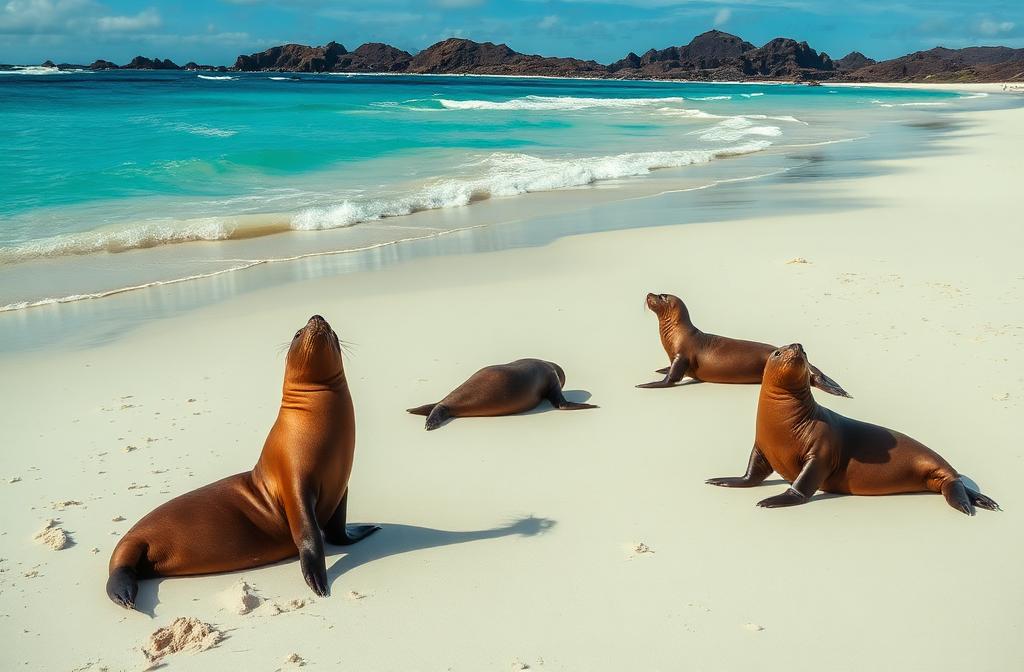
The hidden beaches of South America reward preparation. Most require hiking, boat rides, or 4x4 access — none are served by resort shuttles. Pack light, bring water, and verify access conditions before committing to a trek (national parks close periodically, trails wash out in heavy rain, and boat schedules are suggestions rather than commitments). The payoff for this effort is access to beaches that most travellers will never see — and the particular satisfaction of earning your paradise rather than purchasing it.
For the complete South America beach overview, visit our pillar guide. For timing advice, read our best time to visit guide. And to compare with Caribbean options, see our detailed comparison.