Best Surf Beaches in South America
From Florianópolis's powerful breaks to Montañita's legendary waves — the best surf beaches across South America for every skill level.
By BeachLoco Editorial
South America's Premier Surf Destinations
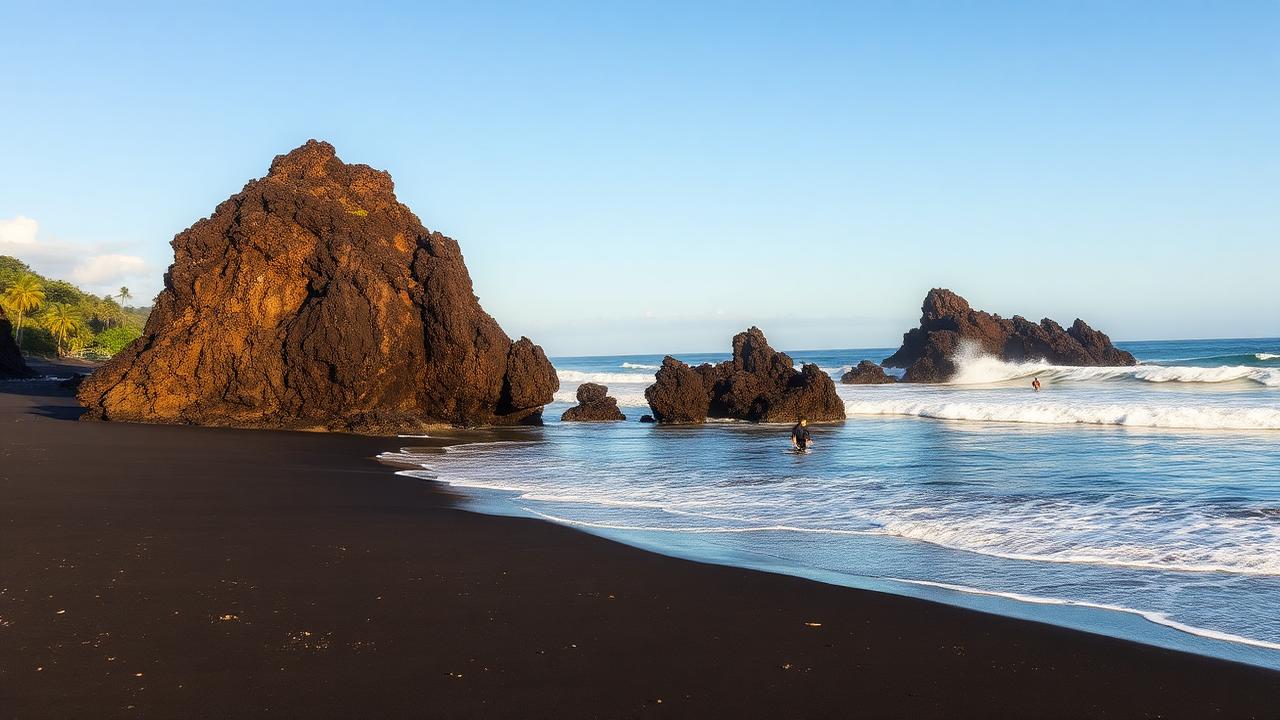
South America produces waves the way it produces music — with intensity, variety, and a depth of quality that sneaks up on you. The continent's two-ocean coastline catches swells from the South Atlantic, the South Pacific, and the equatorial trade winds, creating a range of surf conditions that can satisfy a beginner looking for gentle whitewash and an expert hunting heavy reef barrels on the same trip. The infrastructure is leaner than Australia or California. The crowds are smaller. The cost is lower. And the culture surrounding the surf — the food, the nightlife, the communities built around wave-riding — is richer than almost anywhere else in the surfing world.
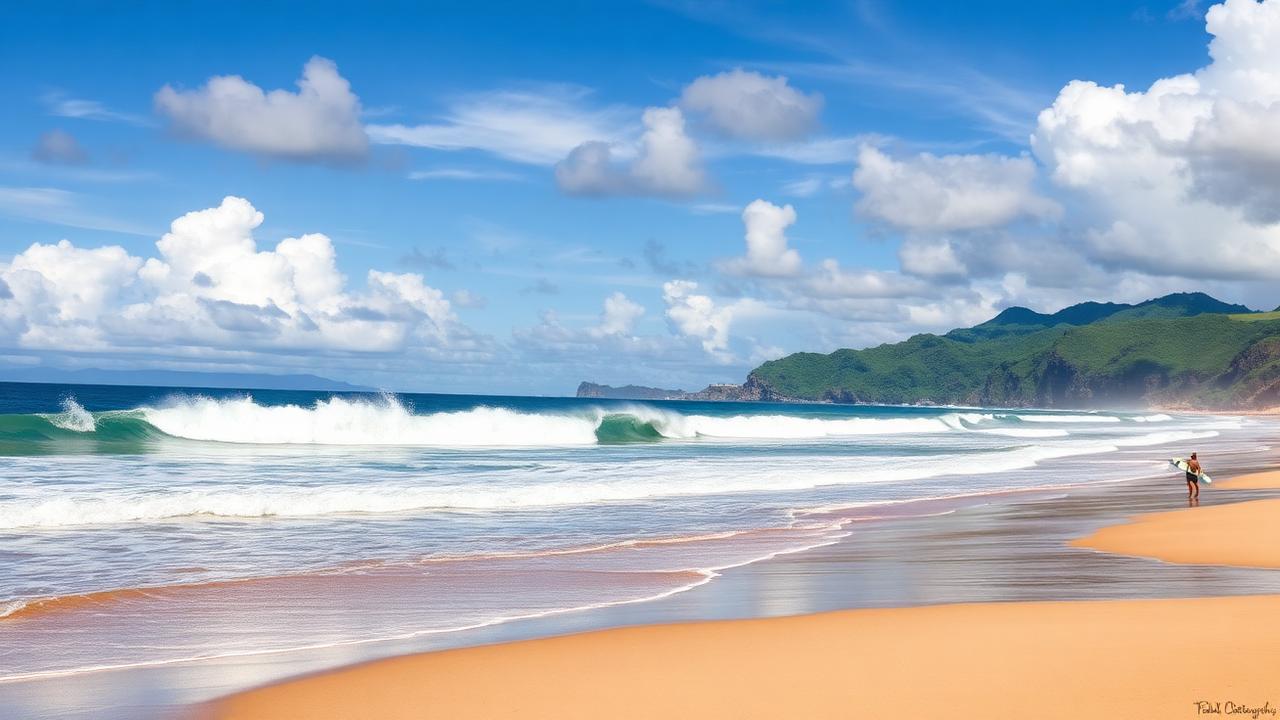
What follows is not a catalogue of every wave on the continent. It is a guide to the breaks and the towns that make South American surfing distinct — the places where the wave quality, the surrounding culture, and the travel experience combine into something worth flying for. For the broader beach picture, visit our South America beaches guide, and for timing advice, our best time to visit guide.
Florianópolis, Brazil — The Island of Infinite Breaks
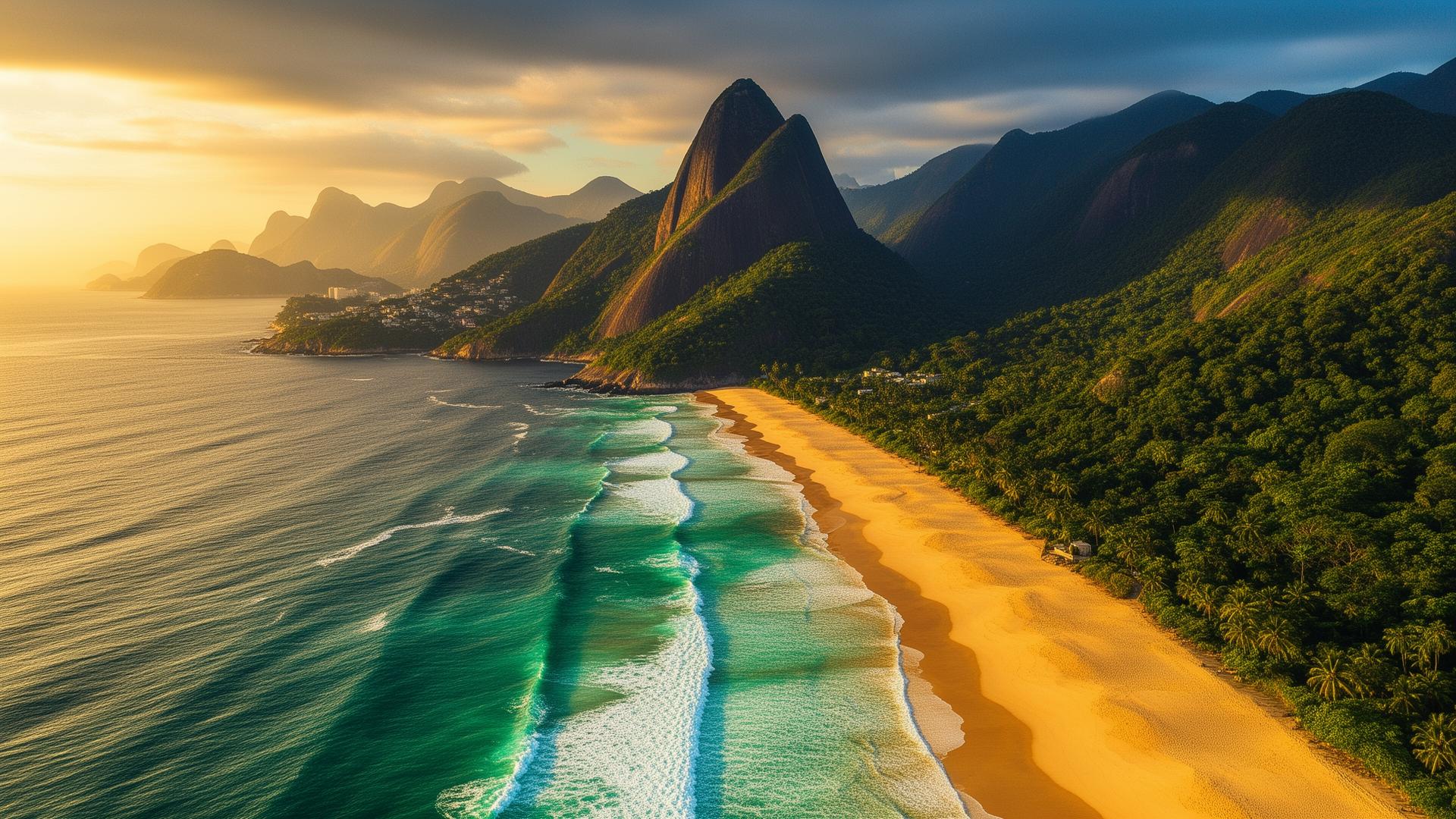
Joaquina is the wave that put Florianópolis on the international surf map. A powerful beach break at the base of enormous sand dunes, it catches every south and southeast swell that rolls across the Atlantic. On overhead days, the wave produces fast, hollow barrels that close out with enough force to rearrange your sinuses. On mellower days — which are frequent in summer — it offers workable walls that let intermediates practice cutbacks and snaps in warm(ish) water. International competitions have run here for decades, and the amphitheatre-like setting, with spectators watching from the dunes above, creates an atmosphere unique in Brazilian surfing.
But Joaquina is just the headline. Praia Mole, one headland north, delivers a punchier beach break with more consistent banks — it is where Floripa's day-to-day surf community gathers. Campeche, on the south-facing coast, picks up swells that Joaquina misses and offers a longer paddle-out to a sandbar that produces the island's most reliable right-handers. And then there is Lagoinha do Leste — not a daily surf spot (the 90-minute hike through Atlantic forest eliminates casual visitors) but a wave of genuine quality in a setting of jaw-dropping beauty.
The island's surfing calendar runs year-round, but the character changes dramatically with the seasons. Summer (December to February) brings smaller, warmer swells — fun waves, board-shorts-and-spring-suit conditions, and the beach club scene at Praia Mole. Winter (June to August) delivers the serious swells — powerful south groundswells that light up Joaquina and Campeche with overhead-plus waves, water temperatures that demand a full wetsuit, and lineups reduced to the dedicated locals who surf here twelve months a year.
Best for: All-rounders who want variety. Floripa's range of breaks means you can surf a different wave every day for a week without repeating. Insider tip: Check Praia do Moçambique on big south swells — this long, empty beach north of Joaquina picks up the same swell with less crowd and produces long, makeable walls that are some of the island's most enjoyable surfing. For non-surf beach recommendations, see our Brazil beaches guide.
Montañita, Ecuador — The Eternal Left
Montañita's left-hand point break peels along a rocky headland at the north end of town with a consistency that borders on the mechanical. On a clean swell from the southwest — which arrives with clockwork regularity from December through April — the wave wraps around the point, hits the sandbar, and unfolds into a 200-metre ride that gives you time to set up three or four turns before the wave reforms and offers another section. It is not the most powerful wave in South America. It is not the most dramatic. But it might be the most enjoyable, because it works at almost every tide and almost every swell size, and the community that has formed around it is genuinely welcoming.
The town itself is inseparable from the wave. Montañita exists because surfers came, stayed, and built a community. The economy runs on surfing, surf lessons, and the nightlife that keeps surf travellers spending. Cocktail alley — a narrow lane of competing bars — fills nightly with a crowd that starts with sundowner caipirinhas and ends somewhere past two in the morning, with fire dancers on the beach providing the intermission. The surf-and-party combination is reminiscent of early-days Bali or 1990s Byron Bay, and Montañita has managed to maintain that energy longer than most comparable towns.
North of the point, the beach break handles beginners competently — knee-to-waist-high whitewash rolls in predictably, and the half-dozen surf schools along the beach provide boards and instruction for around ten dollars an hour. South of the point, Playa de los Frailes in Machalilla National Park offers a completely different register — a white sand beach backed by dry forest where the only sound is birdsong and the only company is the occasional iguana.
Best for: Long-stay surf trips. Montañita's affordability and consistent waves make it ideal for two weeks or more. Insider tip: The point break works best on the outgoing tide — arrive ninety minutes before low tide for the cleanest walls. On big swells, the takeoff zone moves further out and the wave develops more power; these days attract the town's serious surfers, and priority in the lineup is earned, not assumed. For budget tips, see our budget guide.
Máncora, Peru — Warm Water and Long Walls
Máncora's main break sits at the north end of town, where a rocky shelf creates a left-hand point wave that handles everything from waist-high learner conditions to overhead barrels when the right swell hits. The water is warm year-round — a genuine rarity on Peru's coast, where the Humboldt Current keeps most beaches uncomfortably cold — and the consistency of rideable waves makes this northern Peru's undisputed surf capital.
The wave itself is forgiving. The takeoff zone is clearly defined, the wall develops predictably, and the ride length (100 to 150 metres on good days) gives you time to adjust your positioning without the penalty of getting caught inside on a shallow reef. This makes Máncora popular with intermediate surfers who have outgrown beach breaks but are not ready for heavy reef waves. Advanced surfers will find their satisfaction on the bigger swells, when the wave develops more speed and power and the occasional barrel section appears on the inside.
South of Máncora, the surf options multiply. Lobitos — a former oil-industry town an hour south — offers world-class left points that break over rock and sand in water that requires a wetsuit (the Humboldt Current reasserts itself here). The town is raw — minimal infrastructure, no nightlife, dusty streets — but the waves are genuinely excellent, and the lineup is empty on weekdays. Órganos, between Máncora and Lobitos, provides a mellow right-hander that works on swells that close out Máncora, making it a useful backup option.
Best for: Intermediate surfers wanting warm water and a relaxed atmosphere. Insider tip: The surf forecast for Máncora is best read at dawn — the wind usually stays offshore until mid-morning, then switches onshore and deteriorates the wave quality. Get your best waves before ten, then spend the afternoon in a hammock or eating ceviche. The best ceviche in town is at Angela's Place — a family kitchen with no sign, ask at any surf shop for directions. See our hidden beaches guide for more remote waves.
Rio de Janeiro — Urban Surf Culture
Rio's surf scene exists in the gaps between the city's famous social beaches. While Copacabana and Ipanema are too crowded and too flat for consistent surfing, the breaks that bookend them — Arpoador at the eastern end of Ipanema, and Prainha thirty minutes west — deliver genuine wave quality within a metropolis of seven million people.
Arpoador is the most accessible — a rocky point that breaks on south swells, producing short, intense lefts and rights that Rio's surf community shares with remarkable civility given the crowd density. The break is best at low tide, and on clean south swell days, the combination of good waves and the dramatic Ipanema-to-Dois Irmãos backdrop creates a scene that is quintessentially Rio. Prainha, hidden behind the Pedra Branca massif in a nature reserve, offers the city's most powerful beach break — hollow, fast, and surrounded by forest rather than apartment buildings. The contrast with Copacabana, forty minutes east, is total.
Best for: Surfers who want city culture alongside their waves. Insider tip: The Recreio dos Bandeirantes neighbourhood, in Rio's far west zone, has consistent beach breaks and a local surf community that is more welcoming than the crowded Arpoador lineup. It is a thirty-minute Uber from Copacabana and a world away in atmosphere.
Itacaré, Brazil — Jungle Surf
Itacaré sits on the southern coast of Bahia, where the Atlantic forest grows to the shoreline and the beaches are separated by headlands that require trail access. The waves are powerful — exposed to the full fetch of the South Atlantic — and the setting is unlike any other surf town in Brazil: dense jungle, river estuaries, and a cocoa-farming hinterland that gives the town an agricultural character absent from the coastal resort playbook.
The main breaks — Tiririca, Resende, Itacarezinho — offer a range from punchy beach break to long, rifling right-hand point. Tiririca, walkable from the town centre, is the social break where the town's surf community gathers daily. Itacarezinho, a thirty-minute drive south followed by a thirty-minute hike, produces one of Bahia's best waves in a setting of complete isolation — rainforest, river, beach, wave, and nothing else.
Best for: Surfers who want nature immersion alongside quality waves. Insider tip: The cocoa farm tours in the hills behind Itacaré are surprisingly good — you walk through working plantations, taste fresh cacao fruit (which tastes nothing like chocolate), and learn about the crop that built Bahia's economy. It is excellent rainy-day content. Visit our South America hub for the full destination explorer.
Planning Your South American Surf Trip
The ideal South American surf itinerary depends on your season. Southern hemisphere winter (June to August) delivers the continent's most powerful swells to Florianópolis and Itacaré. Southern hemisphere summer (December to February) brings warmer water and consistent waves to Montañita and Máncora. Combining both hemispheres into a single trip — Brazil's south in June, Ecuador and Peru in December — gives you year-round surfing with no wetsuit required for half the trip.
For the complete coastal guide, visit our South America beaches overview. For party scenes after dark, see our nightlife guide. And for budget strategies, read our cheapest destinations guide.