Cape Verde Beach Guide: Atlantic Islands, Culture & Coastal Beauty
Discover Cape Verde's volcanic Atlantic archipelago — from Sal's golden sands and wind sports to Santo Antão's dramatic coastal cliffs and Creole culture.
By BeachLoco Editorial
Cape Verde defies easy categorization. This archipelago of ten volcanic islands, scattered across the Atlantic Ocean 570 kilometers west of Senegal, belongs geographically to Africa but feels culturally like a mashup of Portugal, West Africa, and Brazil — with a musical tradition (morna, coladeira, funaná) so distinctive that it earned UNESCO recognition.
What Cape Verde offers that most tropical destinations do not is genuine cultural depth combined with year-round sunshine and reliable trade winds.
The Beach Islands: Sal & Boa Vista
The eastern islands — flat, arid, and battered by Atlantic trade winds — concentrate Cape Verde's beach tourism.
Sal: The Established Hub
**Santa Maria**, on Sal's southern tip, stretches roughly four kilometers of fine golden sand with shallow turquoise water. The town retains a functioning identity — the pier is used by fishing boats, the market sells fresh catch each morning.
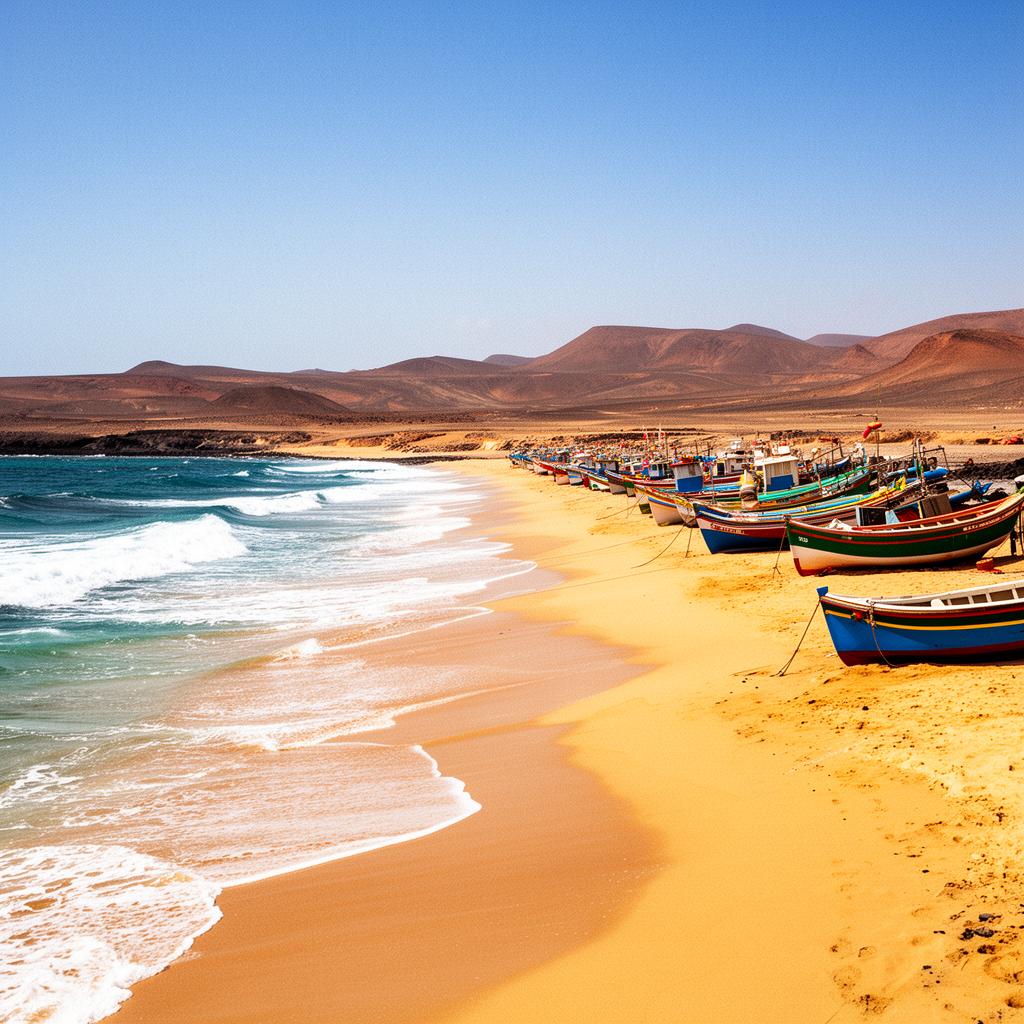
Sal's consistent trade winds at 15-25 knots have established it as one of the Atlantic's premier wind sports destinations. **Kite Beach** (Praia de Ponta Preta) offers world-class conditions for kitesurfing and windsurfing.
The **Santo Antão** wreck provides accessible diving for all certification levels.
Boa Vista: The Wild Alternative
**Praia de Santa Mónica** is an 18-kilometer sweep of golden sand. On a quiet day, you have a horizon-to-horizon expanse entirely to yourself.
Between **July and October**, female loggerhead turtles nest on Boa Vista's eastern beaches. Conservation organizations operate guided nighttime excursions — watching a 200-kilogram turtle navigate the beach by moonlight is profoundly moving.
**Praia de Chaves** offers calmer conditions with several resort properties and Atlantic sunsets that compete with any in the archipelago.
The Mountain Islands: Santo Antão & São Vicente
The northwestern islands catch moisture from trade winds, creating green, terraced agricultural landscapes.
Santo Antão: The Hiker's Island
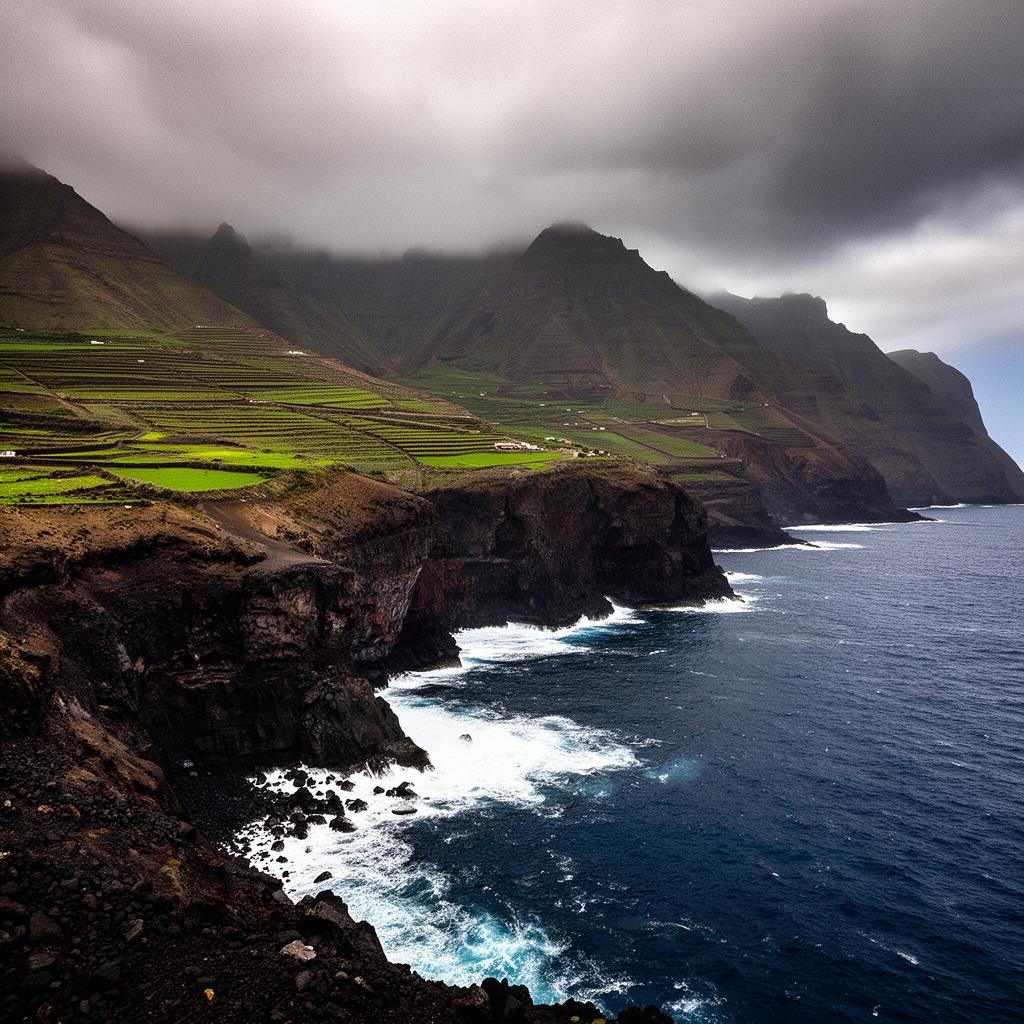
Santo Antão's dramatic coastline — volcanic cliffs plunging hundreds of meters — provides the most spectacular landscape in the archipelago.
The **Ribeira Grande** valley descends from cloud-forested plateau to the sea through a canyon of extraordinary scale. **Ponta do Sol** clings to the clifftop above a small harbor.
The trail from **Cruzinha de Garça** to Ponta do Sol follows an ancient cobblestone path carved into the cliff face — a five-hour coastal walk ranking among the world's most scenic.
São Vicente: Music & Culture
**Mindelo** is Cape Verde's musical heart — birthplace of the morna tradition immortalized by Cesária Évora. The annual **Carnival** rivals anything in Brazil or Trinidad.
**Praia de Laginha** occupies a sheltered bay with calm water and lively weekend atmosphere.
Santiago: The Cultural Capital
**Cidade Velha** — founded in 1462 — is a UNESCO World Heritage Site with haunting history as a hub in the transatlantic slave trade. **Praia de Tarrafal** delivers a protected crescent of golden sand with green mountain backdrop.
Fogo: The Volcano Island
**Fogo** is dominated by Pico do Fogo, a 2,829-meter active volcano (last erupted 2014). The **Chã das Caldeiras** caldera hosts a small community cultivating grapes for volcanic wine.
Cape Verdean Cuisine
The national dish, **cachupa**, is a slow-cooked stew of corn, beans, and protein. If you enjoy diverse culinary experiences while traveling, you might also be interested in exploring the unique seafood offerings found in destinations like Key West, Florida. **Grogue** — Cape Verdean rum from Santo Antão — is served neat or as ponche with honey and lime. Fresh seafood dominates: grilled lobster, wahoo steaks, octopus salad, and atum prepared a dozen ways.
Where to Stay
**Sal** offers the widest range from all-inclusive resorts to boutique guesthouses. For a similar mix of luxury and local charm closer to home, consider looking into accommodations in St. Augustine on Florida's Atlantic Coast. **Boa Vista** has fewer options concentrated near Sal Rei. **Santo Antão** and **São Vicente** cater to hikers and cultural travelers with family-run pensões.
Best Time to Visit
Year-round warmth between 22°C and 30°C. For consistent good weather and beautiful beaches, places like Clearwater Beach on Florida's Gulf Coast offer similar year-round appeal. Wind sports: **December through April**. Diving and snorkeling: **May through November** for calmer seas. Turtle nesting: **July through October**.
Getting There
Sal's airport receives direct flights from several European cities. Inter-island flights connect main islands in under an hour. Ferry services connect São Vicente to Santo Antão — a one-hour crossing providing the only access.
Cape Verde rewards island-hoppers. A week split between Sal (beach), Santo Antão (hiking), and São Vicente (music) provides a complete picture of an archipelago that is far more culturally rich and naturally dramatic than its compact geography suggests. This is African beach travel's best-kept Atlantic secret.
Book Your Beach Getaway
Find the best deals on flights, hotels, and car rentals for your perfect beach vacation.