The 5 Best Caribbean Seafood Markets: A Traveler's Guide to Authentic Island Flavors
Skip the tourist restaurants and discover the Caribbean's most vibrant food markets. From St. Lucia's historic Castries Market to Trinidad's Doubles stands, here's your insider guide to eating like a local—with exactly what to order, when to go, and how to navigate each market like a pro.
By BeachLoco Editorial Team
The fisherman's hands move with practiced speed, filleting a red snapper as morning light streams through the corrugated roof. Around him, vendors call out in lilting Creole while tourists clutch cups of freshly pressed sugarcane juice. This is St. Lucia's Castries Market on a Saturday morning—and it's a world away from the resort buffet.
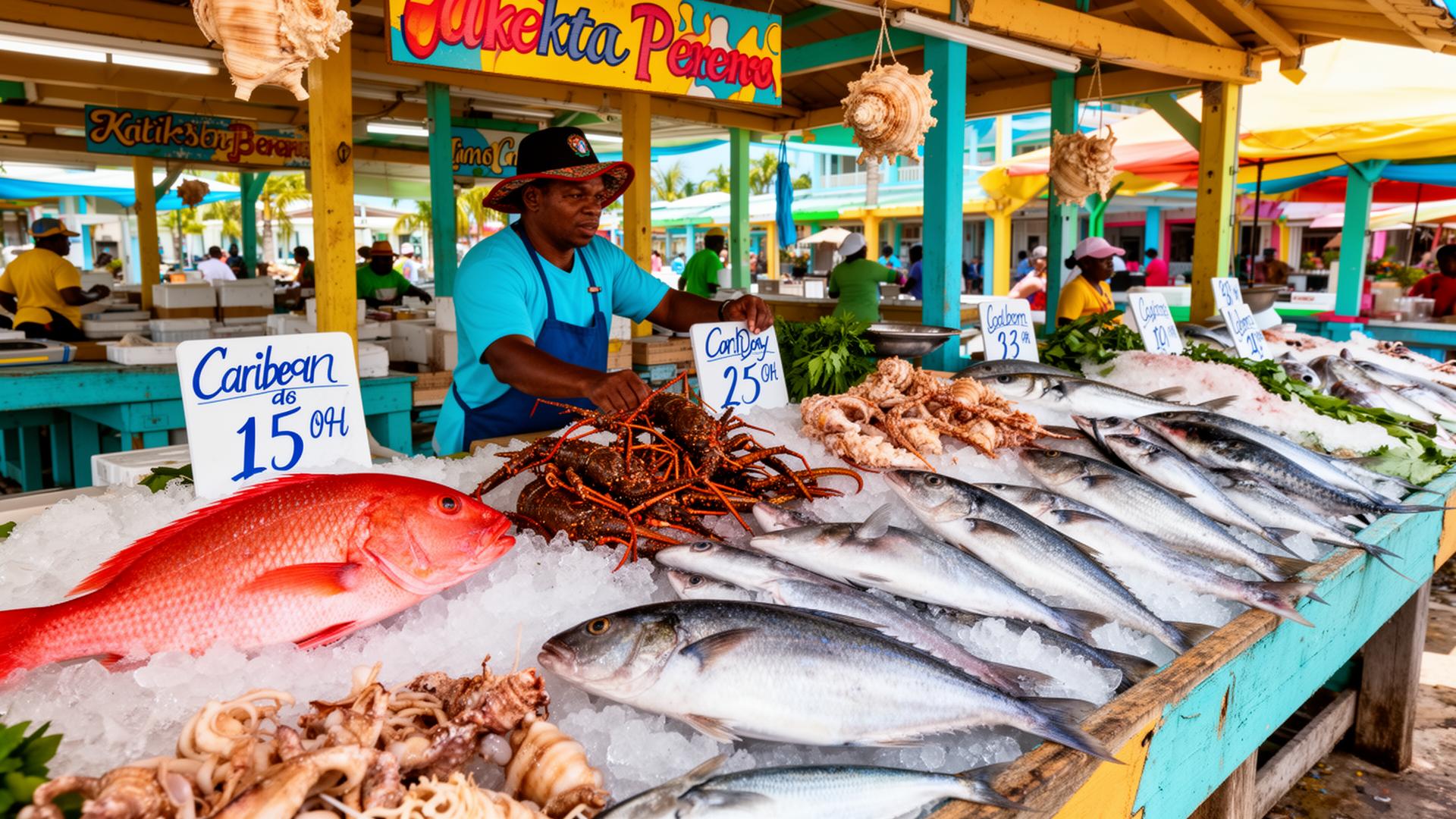
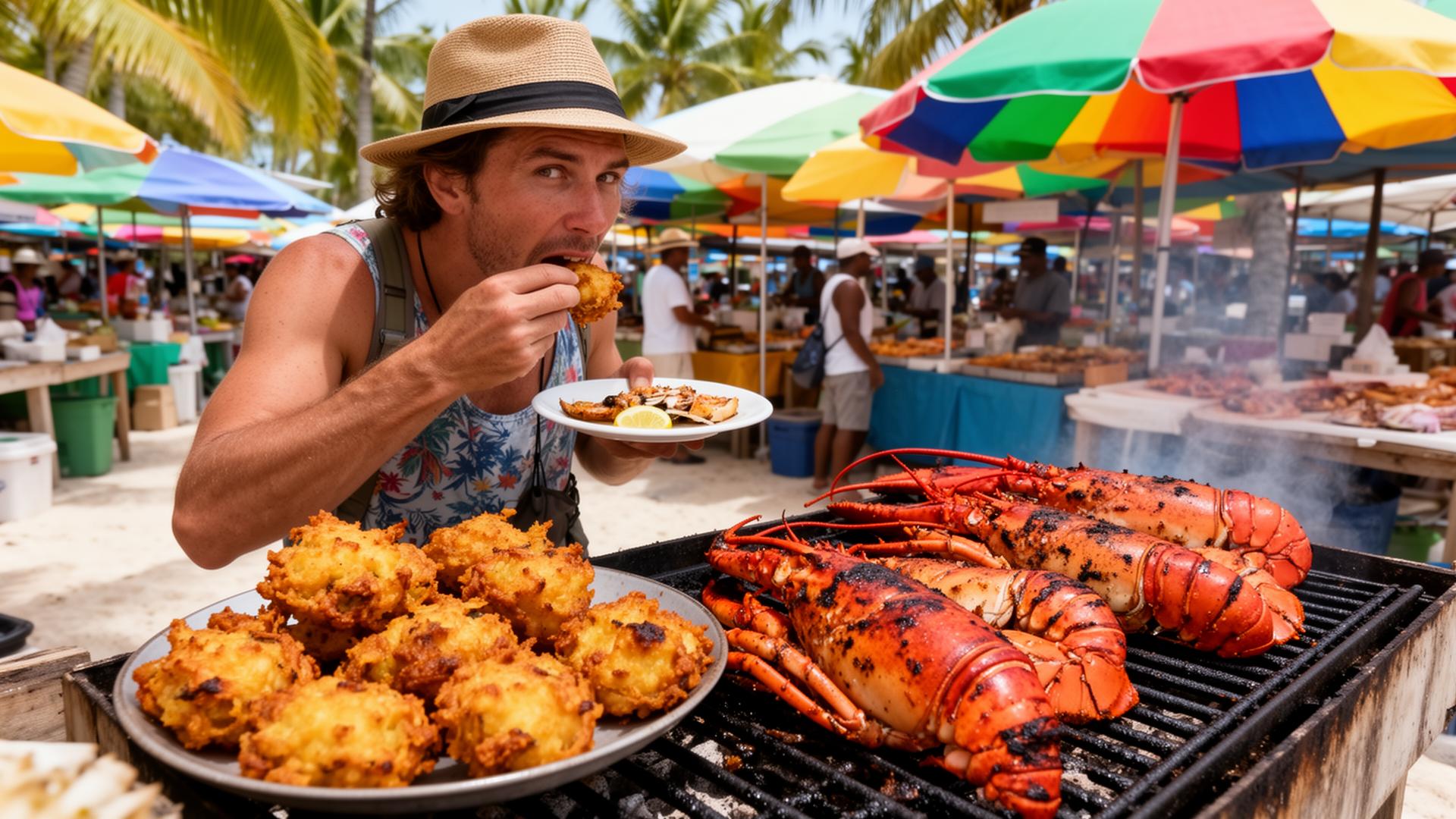
Caribbean food markets aren't just places to buy fish. They're living museums of island culture, windows into daily life that most visitors never see. While cruise ship passengers shuffle through duty-free shops, these markets pulse with the real heartbeat of the islands—the crack of coconuts being opened, the sizzle of johnnycakes hitting hot oil, the animated negotiations between fishermen and restaurant owners.
Editorial Note: After two decades of Caribbean travel, I've learned that the best meal on any island is rarely in a restaurant. It's at a market stall where the fish was swimming an hour ago, where the cook learned from her grandmother, and where your $8 buys a feast that would cost $40 waterfront.
Quick Stats: Caribbean Market Guide
| Best Time to Visit | Early morning, 6:00am–10:00am (freshest catch) |
| Peak Market Day | Saturday (most islands) |
| Average Market Meal | $8–15 USD (generous portions) |
| Payment | Cash in local currency (most vendors) |
| Language Needs | English widely spoken; Spanish in Puerto Rico |
| Markets Covered | 5 iconic markets across 5 islands |
Who Is This Guide For?
Caribbean food markets welcome everyone, but they're especially rewarding for:
- Food-obsessed travelers — who believe the best meal is the one locals eat
- Cultural explorers — seeking authentic experiences beyond the resort bubble
- Budget-conscious travelers — who want exceptional quality at local prices
- Photography enthusiasts — the colors, characters, and chaos make incredible shots
- Adventurous eaters — willing to try cow foot soup or jerk intestines
- Solo travelers — markets are perfect for striking up conversations with vendors
💡 Pro Tip: Arrive Early, Stay Late
The freshest fish hits the market between 6:00–8:00am when boats return from night fishing. But don't leave too early—by mid-morning, the cooked food stalls are in full swing with breakfast plates. The sweet spot? Arrive at 7:00am for fresh fish viewing, stay until 10:00am for breakfast.
1. Castries Central Market — St. Lucia
The undisputed champion of Caribbean markets, Castries Central Market has been the heart of St. Lucia since 1894. The cast-iron structure survived a devastating fire in 1948 and was rebuilt into the vibrant market hall you see today—a riot of color, sound, and irresistible aromas spread across multiple buildings.
What Makes Castries Special
Unlike markets that cater primarily to tourists, Castries remains a working market where St. Lucians do their actual grocery shopping. On Saturday mornings, you'll see restaurant owners negotiating bulk fish purchases alongside grandmothers selecting the ripest breadfruit. This authenticity is irreplaceable.
The market spans several interconnected buildings:
- Main Market Hall: The iconic iron structure with produce vendors, spices, and souvenirs
- Fish Market (adjacent): The real action—boats unload directly here
- Craft Market: Handmade goods, but negotiate prices
- Vendor's Arcade: Cooked food stalls serving local breakfast and lunch
What to Eat at Castries Market
| Green Figs & Saltfish | St. Lucia's national dish—boiled green bananas with salted cod in a creole sauce. Hearty breakfast. |
| Bouyon (Fish Broth) | Rich, spicy fish soup with local provisions (dasheen, yam, breadfruit). Pure comfort. |
| Lambi (Conch) | Grilled, stewed, or in curry—St. Lucia does conch magnificently. |
| Accras (Salt Cod Fritters) | Crispy, spiced fritters perfect for snacking while browsing. |
| Cocoa Tea | Hot chocolate made from local cocoa sticks—nothing like the packet version. |
Castries Market Logistics
- Best Days: Saturday (peak atmosphere), Friday (less crowded but still lively)
- Hours: 6:00am–2:00pm weekdays, 5:00am–1:00pm Saturday
- Getting There: Walkable from cruise port; taxi from Rodney Bay ~$25 USD
- Budget: $12–18 for a full breakfast plate with drink
- Pro Move: Ask vendors about their cocoa sticks, nutmeg, and bay rum—St. Lucia produces exceptional quality
2. Coronation Market — Jamaica
If you want to understand Jamaica—really understand it—you need to experience Coronation Market in Kingston. This isn't a tourist attraction; it's the largest market in the Caribbean, a sprawling labyrinth where 10,000+ vendors sell everything from oxtail to okra across several city blocks.
The Coronation Experience
Named for Queen Victoria's coronation in 1838 (the year slavery ended in Jamaica), Coronation Market is intense, overwhelming, and absolutely unforgettable. The energy is kinetic—vendors calling out prices, handcarts weaving through crowds, the bass from competing sound systems, the smell of jerk smoke drifting from corner stalls.
Important caveat: Coronation Market is not for casual tourists seeking a sanitized experience. It's a working-class market in downtown Kingston, and you should go with a local guide or at minimum, dress down and leave valuables at your hotel. That said, Jamaicans are genuinely warm, and if you approach with respect and curiosity, you'll be welcomed.
What to Eat at Coronation Market
| Ackee & Saltfish | Jamaica's national dish—creamy ackee fruit sautéed with salted cod, onions, and scotch bonnets. |
| Jerk Everything | Chicken, pork, fish—the smoky, spicy preparation that defines Jamaican cuisine. |
| Patties | Flaky pastry with spiced beef, chicken, or vegetable filling. The perfect portable snack. |
| Mannish Water | Goat head soup. Yes, really. Locals swear by its restorative powers. |
| Festival | Sweet fried dumplings—the perfect complement to jerk or fish. |
| Bammy | Cassava flatbread, typically fried and served with fish. |
Alternative: Ocho Rios Market
If Kingston feels too intense, the Ocho Rios market offers a more manageable (but still authentic) experience. Located in the heart of Ochi, it's accessible from cruise ships and nearby resorts while maintaining genuine local character. Saturday mornings see the biggest crowds and best selection.
Jamaica Market Logistics
- Best Days: Friday and Saturday (Coronation); Saturday (Ocho Rios)
- Hours: 5:00am–6:00pm (busiest before noon)
- Getting There: Taxi from New Kingston to Coronation ~$8 USD; walkable from Ocho Rios cruise port
- Budget: $6–12 for a hearty plate with drink
- Pro Move: Buy Blue Mountain coffee directly from country vendors—fraction of export prices
🔥 Pro Tip: The Jerk Test
Real jerk chicken takes 2-4 hours over pimento wood smoke. If the vendor can hand you a plate in 5 minutes, it's not authentic jerk—it's grilled chicken with jerk seasoning. Look for the smoky, blackened exterior and ask if they use pimento wood.
3. Oistins Fish Fry — Barbados
Every Friday night, the sleepy fishing village of Oistins on Barbados's south coast transforms into the Caribbean's most famous seafood party. What began as local fishermen grilling their catch for each other has evolved into a weekly pilgrimage for locals and visitors alike—without losing its authentic soul.
The Oistins Experience
Oistins is technically two experiences: the daytime fish market where you can watch the catch being landed, cleaned, and sold; and the Friday night fish fry that's become legendary throughout the Caribbean.
The fish fry features 20+ vendors grilling everything from flying fish to marlin, accompanied by live music, rum punch flowing, and an atmosphere that's equal parts family reunion and beach party. Tables fill up fast after 7pm, so arrive early or be prepared to eat standing.
What to Eat at Oistins
| Flying Fish | Barbados's national symbol—delicate white fish, typically battered and fried or grilled with lime. |
| Cou-Cou | Cornmeal and okra mash—the traditional accompaniment to flying fish. Together, they're Barbados's national dish. |
| Grilled Mahi-Mahi | Thick steaks grilled over charcoal, typically with Bajan seasoning. |
| Fish Cakes | Salt cod fritters, crispy outside, fluffy inside—perfect beer snack. |
| Pudding & Souse | Saturday special—pickled pork with sweet potato "pudding." An acquired taste, but quintessentially Bajan. |
| Macaroni Pie | Baked mac and cheese—denser and more flavorful than the American version. |
Oistins Market Logistics
- Best Time: Friday 6:00pm–11:00pm (fish fry); weekday mornings for working market
- Getting There: 15 minutes from Bridgetown; $15–20 taxi from west coast hotels
- Budget: $15–25 for a loaded plate with sides and drink
- Pro Move: Uncle George and Pat's Place are local favorites, but walk the stalls before committing—quality varies
- Warning: Friday nights get packed after 8pm. Arrive by 6:30pm for a table.
4. La Placita de Santurce — Puerto Rico
La Placita (officially Plaza del Mercado de Santurce) might be Puerto Rico's best-kept secret—except it's not a secret to San Juan locals, who've been coming here for generations. By day, it's a traditional produce market with fruits, vegetables, and local specialties. By night, it transforms into the island's most vibrant street party.
The Dual Personality of La Placita
Daytime La Placita (6am–4pm): This is when you'll find the real market—vendors selling tropical fruits, root vegetables, fresh seafood, and prepared foods. It's the Puerto Rico your grandmother knew, with older locals shopping for tonight's dinner while restaurant owners stock up on supplies.
Nighttime La Placita (Thursday–Saturday after 6pm): As the sun sets, the market buildings close but the plaza comes alive. Bars and restaurants surrounding the square overflow onto the streets, live salsa and reggaeton compete for attention, and the crowd swells from a few dozen to a few thousand. It's Puerto Rican nightlife at its most authentic.
What to Eat at La Placita
| Mofongo | Mashed fried plantains with garlic and chicharrón—Puerto Rico's most famous dish. Order it stuffed with shrimp or octopus. |
| Bacalaitos | Thin, crispy salt cod fritters—the quintessential Puerto Rican street snack. |
| Alcapurrias | Fritters made from green banana and yautía, stuffed with seasoned ground beef or crab. |
| Empanadillas | Crispy turnovers with various fillings—seafood versions are exceptional. |
| Fresh Ceviche | Puerto Rican style with local fish, lime, and sofrito flavors. |
| Piña Colada | Invented in Puerto Rico—drink it where it was born. |
La Placita Logistics
- Best Times: Saturday morning (market); Thursday–Saturday nights (nightlife)
- Hours: Market 6:00am–4:00pm; nightlife 6:00pm–2:00am+
- Getting There: 10 minutes from Condado; Uber/taxi recommended at night
- Budget: $10–15 daytime meal; $25–40 night out with drinks
- Pro Move: Start your night at Jose Enrique (legendary chef's casual spot) then bar-hop around the plaza
💡 Pro Tip: Saturday Double-Header
The perfect La Placita day: Arrive at 8am for breakfast and market shopping, explore the Santurce street art scene in the afternoon, then return at 7pm for dinner and dancing. You'll experience both personalities of this remarkable place.
5. Port of Spain Central Market — Trinidad
Trinidad has perhaps the most diverse food culture in the Caribbean—a fusion of African, Indian, Chinese, Creole, Spanish, and Syrian influences that creates flavors found nowhere else. And there's no better place to experience this culinary melting pot than Port of Spain's Central Market.
Trinidad's Unique Food Heritage
Unlike other Caribbean islands where African and European influences dominate, Trinidad's cuisine is heavily shaped by the East Indian laborers who arrived after emancipation. The result? You'll find roti and doubles (Indian-influenced) alongside pelau and callaloo (African-influenced), with Chinese dim sum and Lebanese shawarma for good measure.
Port of Spain's Central Market sprawls across several city blocks, with different sections for seafood, produce, spices, and cooked food. It's chaotic, loud, and gloriously authentic.
What to Eat in Trinidad
| Doubles | Trinidad's iconic street food—curried chickpeas (channa) sandwiched between two pieces of fried bara bread. Breakfast of champions. |
| Roti | Thin flatbread wrapped around curry—chicken, goat, shrimp, or vegetable. Trinidad perfected this Indian import. |
| Shark & Bake | Fried shark in fried bake bread with all the toppings. Best at Maracas Bay, but available in the city too. |
| Crab & Dumplings | Blue crabs in curry sauce with flour dumplings—messy, delicious, unforgettable. |
| Pelau | One-pot rice dish with chicken, pigeon peas, and caramelized sugar. Pure comfort food. |
| Bake & Saltfish | Fried bread with sautéed salt cod—the traditional Trinidadian breakfast. |
Must-Visit: Maracas Bay for Shark & Bake
While Port of Spain's market offers the full Trinidad experience, no food pilgrimage is complete without the drive over the Northern Range to Maracas Bay—Trinidad's most beautiful beach and home to the island's most famous shark & bake vendors. Richard's Bake & Shark has been the standard-bearer for decades, though locals debate fiercely about which stall is truly best.
Trinidad Market Logistics
- Best Days: Friday and Saturday (busiest); weekdays for a calmer experience
- Hours: 5:00am–5:00pm (freshest early morning)
- Getting There: Central Port of Spain, walkable from downtown hotels
- Budget: $4–8 for doubles/roti; $15–20 for a full seafood meal
- Pro Move: Doubles are breakfast food—hit a vendor before 10am for peak freshness
Caribbean Market Etiquette & Tips
Cash Is King
Most market vendors operate on cash only. Bring local currency in small denominations—EC dollars for St. Lucia, Jamaican dollars, Barbadian dollars, USD for Puerto Rico, TT dollars for Trinidad. Some larger food stalls may take cards, but don't count on it.
Photography Etiquette
Markets are incredibly photogenic, but ask before photographing vendors directly. Most will say yes, especially if you've bought something from them. Never photograph someone without permission.
Haggling Rules
In general, prices for cooked food are fixed—don't try to negotiate a fish plate. For produce and merchandise, gentle negotiation is acceptable, but don't be aggressive. Start at 10–15% below asking, not 50%.
Safety Considerations
Caribbean markets are generally safe, but use common sense: keep valuables secure, don't flash expensive jewelry or cameras, stay aware of your surroundings. Markets like Coronation in Kingston require more caution than tourist-friendly Oistins.
Essential Packing for Market Visits
What to Bring
- • Cash in local currency (small bills)
- • Reusable shopping bag
- • Comfortable walking shoes (floors can be wet)
- • Light, breathable clothing
- • Wet wipes or hand sanitizer
- • Small cooler bag for seafood purchases
What to Leave Behind
- • Expensive jewelry or watches
- • Large amounts of cash
- • Resort/cruise attire (blend in)
- • Heavy camera gear (phone is fine)
- • Impatience (markets move at island time)
Related Destinations & Guides
Planning a Caribbean food adventure? Explore these related destinations and guides:
- Grenada: The "Spice Island" with St. George's Market and incredible nutmeg, cocoa, and spices
- Martinique: French Caribbean fusion at Grand Marché in Fort-de-France
- Guadeloupe: Marché de Basse-Terre for French sophistication meets Caribbean spice
- Antigua: St. John's Public Market with local produce and seafood
- Bahamas: Potter's Cay in Nassau for conch salad made to order
- Curaçao: The famous Floating Market where Venezuelan boats sell fresh produce
- World's Best Seafood Buffets: From casual to luxury dining
- Best Budget Caribbean Islands: Maximize your island experience affordably
Frequently Asked Questions
Which Caribbean island has the best seafood market?
St. Lucia's Castries Market is the most complete experience—historic, authentic, with both a working fish market and excellent prepared food. For pure atmosphere, Oistins in Barbados on Friday night is unbeatable.
What time should I arrive at Caribbean markets?
For the freshest seafood, arrive between 6:00–8:00am when boats are unloading. For prepared food and the best atmosphere, 8:00–11:00am is ideal. Most markets wind down by early afternoon.
Is it safe to eat street food at Caribbean markets?
Yes, generally very safe. Look for busy stalls with high turnover (food isn't sitting), visible cooking (you can see the grill or fryer), and locals eating there. These markets feed thousands of locals daily.
What's the best day to visit Caribbean food markets?
Saturday is typically the biggest market day across the Caribbean. Friday nights are essential for Oistins (Barbados) and La Placita (Puerto Rico). Weekdays offer a calmer experience but with fewer vendors.
How much money should I bring to a Caribbean market?
Bring $30–50 USD equivalent in local currency for a generous market experience including breakfast, snacks, and small purchases. Most cooked food plates run $8–15.
Can I buy fresh fish and have it cooked at the market?
At some markets, yes! Oistins in Barbados and Maracas Bay in Trinidad are famous for this—select your fish and the vendor prepares it fresh. At others, the fish market and food stalls are separate.
What seafood is in season in the Caribbean?
Most Caribbean fish (snapper, mahi-mahi, tuna) are available year-round. Spiny lobster season typically runs August–March. Flying fish in Barbados peak December–June. Always ask what's fresh that day.
Are Caribbean markets cash only?
Mostly yes. Small vendors and food stalls almost always require cash. Some larger restaurants around markets (like at La Placita) accept cards, but bring local currency to be safe.
Which markets are best for vegetarians?
Trinidad is your best bet—the Indian influence means excellent vegetable roti, doubles (chickpea curry), and channa dishes. Puerto Rico also has good vegetarian options with rice and beans dishes and tropical fruits.
Can I take seafood home from Caribbean markets?
Fresh seafood is generally not allowed through US Customs. However, you can purchase dried/cured items like saltfish, smoked fish, or properly packaged spices without issues.
What's the best market for authentic local atmosphere?
Coronation Market in Kingston, Jamaica is the most authentic working-class Caribbean market experience—intense and unforgettable. Castries Market in St. Lucia offers similar authenticity in a more accessible package.
Should I haggle at Caribbean food markets?
Not for prepared food—prices are typically fixed and fair. For produce or merchandise, gentle negotiation (10–15% off asking) is acceptable but not expected. Being friendly matters more than saving a dollar.