When to Fish the Gulf: A Complete Seasonal Guide to Deep-Sea, Inshore & Pier Fishing
Plan your Gulf of Mexico fishing trip by season. From red snapper in summer to wahoo in winter, discover when to target your favorite species across the Florida Panhandle, Alabama, Mississippi, Louisiana, and Texas.
By BeachLoco Editorial Team
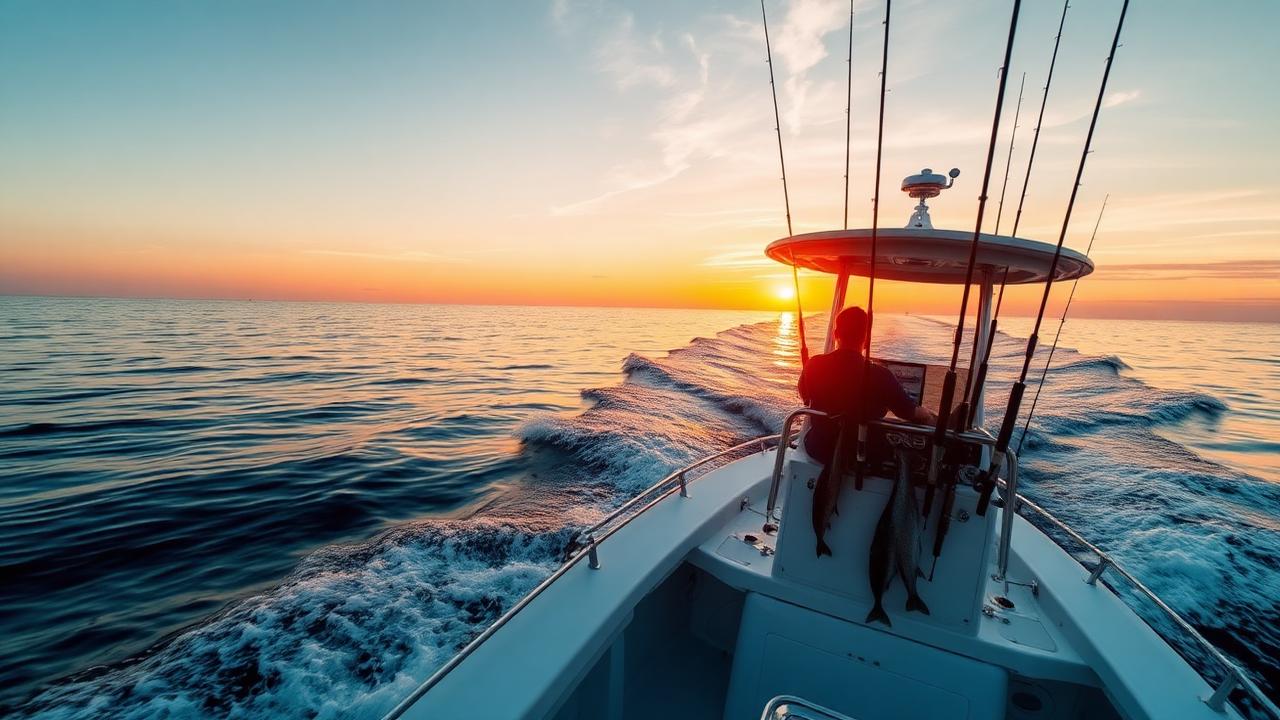
The Gulf of Mexico offers world-class fishing opportunities year-round, but timing your trip to match specific species migrations and seasonal patterns can mean the difference between a good day and an unforgettable one. Whether you're chasing red snapper during the summer federal season, targeting wahoo in the cooler winter months, or enjoying spring cobia runs along the coast, this comprehensive guide breaks down exactly when to fish the Gulf for maximum success.
Updated for 2026 fishing seasons & regulations. Seasons, bag limits, and species availability vary by state across Florida, Alabama, Mississippi, Louisiana, and Texas—always verify current regulations before your trip.
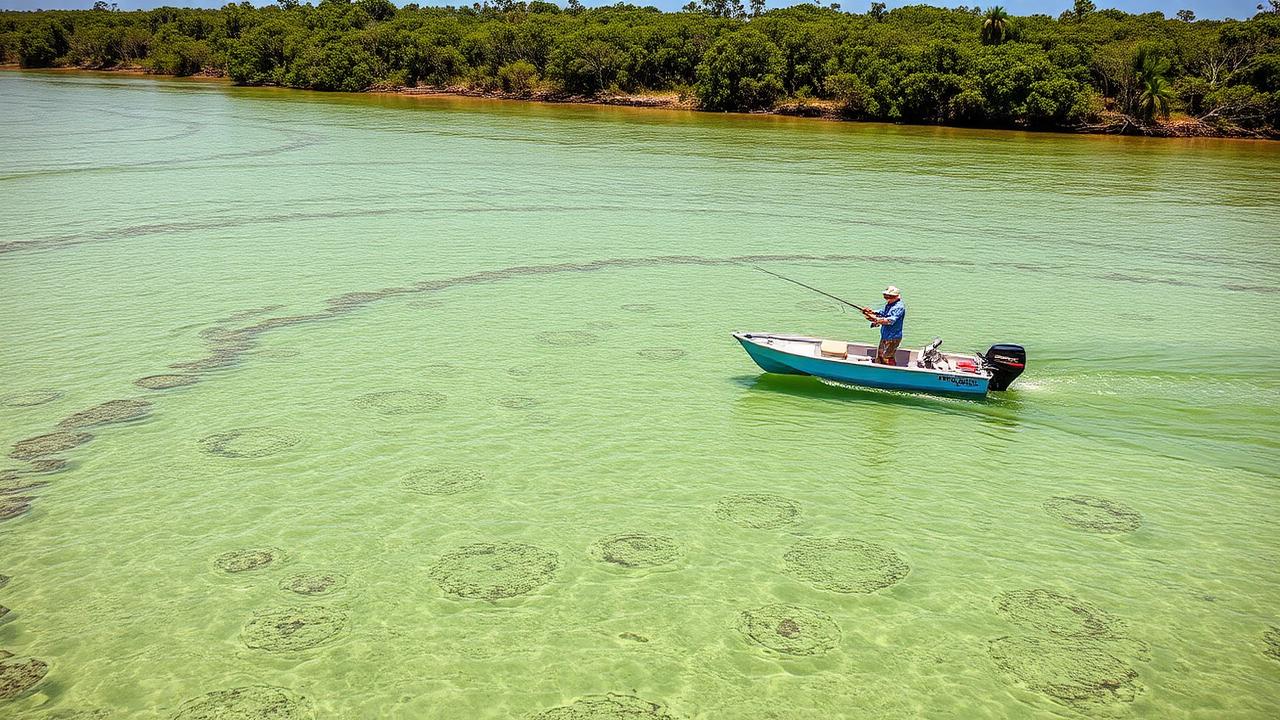
Seasonal Fishing at a Glance
Spring Fishing: The Gulf Awakens (March–May)
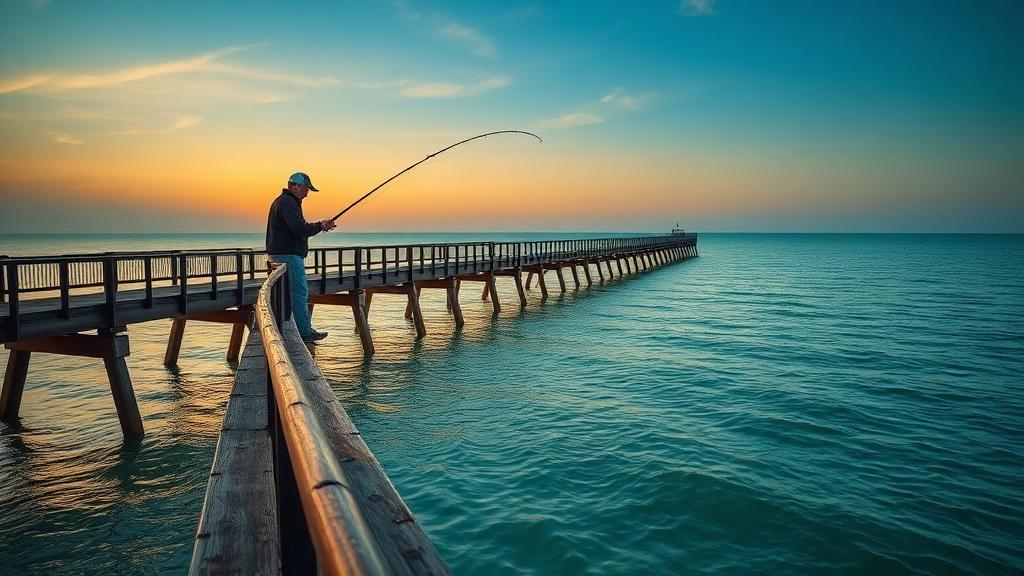
As water temperatures climb from the mid-60s into the 70s, the Gulf of Mexico transforms into a fishing paradise. Spring marks the beginning of several exciting migrations and feeding frenzies that draw anglers from across the country.
Target Species: Spring
King Mackerel begin their northward migration along the Gulf Coast, following baitfish schools close to shore. March through May offers excellent opportunities to intercept these hard-fighting fish, particularly around structure, wrecks, and artificial reefs. Live bait trolling and slow-trolling dead baits are highly productive techniques.
Cobia make their legendary spring run during this period, often spotted cruising near the surface around buoys, rays, and sea turtles. Sight-casting to cobia is one of the most exciting fishing experiences in the Gulf. The run typically peaks in April along the Florida Panhandle and progresses westward through Alabama and Mississippi.
Mahi-Mahi (Dolphinfish) begin appearing in good numbers by late April, particularly around floating debris, weed lines, and current edges offshore. These colorful acrobats are a favorite target for anglers running to the deeper blue water.
Spring Fishing Conditions
- Water temperatures: 68–78°F, warming steadily
- Best conditions often occur on calm spring mornings
- Frontal passages can create excellent feeding windows
- Inshore fishing for speckled trout and redfish is excellent
Summer Fishing: Peak Season (June–August)
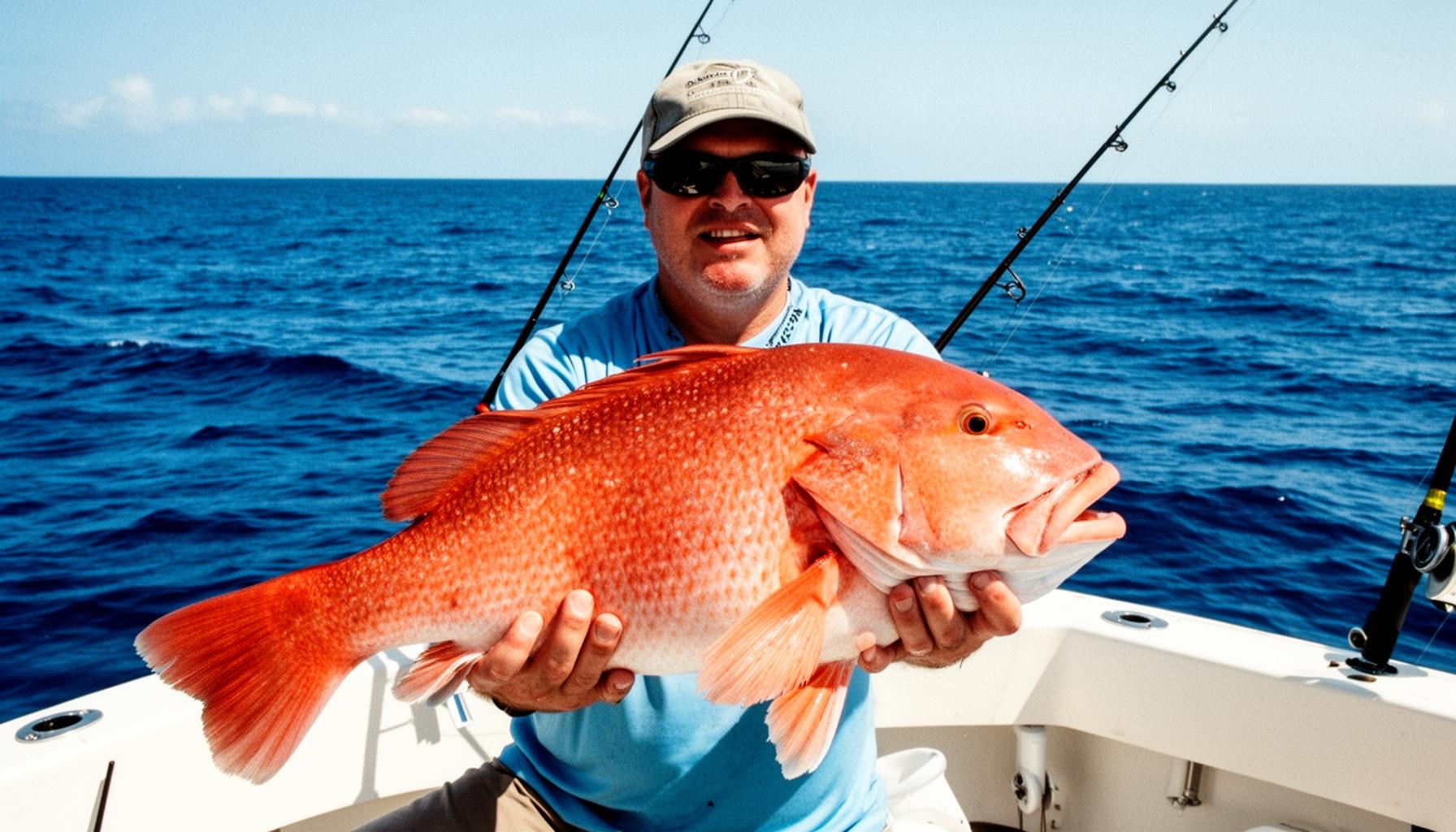
Summer is the undisputed peak season for Gulf fishing. Warm waters, calm seas, and the opening of the highly anticipated red snapper season make this the most popular time to fish the Gulf of Mexico.
Target Species: Summer
Red Snapper is the star of summer fishing. The federal recreational season typically opens June 1st, and the bite is consistently excellent through the entire season. These prized fish are found around artificial reefs, oil platforms, and natural structure in depths from 60 to 200+ feet. For 2026, Florida state and federal waters are expected to offer an extended season running from June 1 through July 31, with additional fall weekend opportunities.
Billfish including Blue Marlin, White Marlin, and Sailfish are at their peak during summer months. The blue water fishery fires up as the Loop Current pushes warm, clean water closer to the coast. Tournament anglers and recreational fishermen alike target these apex predators from June through August.
Yellowfin Tuna action heats up around deep-water oil platforms and seamounts. While yellowfin are available year-round in some areas, summer provides excellent opportunities, particularly for anglers willing to make the long run offshore.
Mahi-Mahi reach their peak during summer, with larger bulls and schoolie fish available around floating structure and weed lines.
Summer Fishing Tips
- Book red snapper charters well in advance—demand is extremely high
- Early morning departures beat the summer heat and afternoon thunderstorms
- The Loop Current position dramatically affects offshore fishing—track it before your trip
- Hydration and sun protection are essential for all-day offshore trips
Fall Fishing: The Overlooked Season (September–November)
Fall is the Gulf's best-kept secret. While summer crowds dissipate, the fishing remains exceptional—and in many cases, improves. Cooling water temperatures trigger feeding frenzies as species bulk up for winter.
Target Species: Fall
Wahoo season kicks into high gear as water temperatures drop below 80°F. These speedsters are found around deep structure, blue water temperature breaks, and offshore platforms. High-speed trolling with diving plugs and skirted lures is the preferred method.
Greater Amberjack season opens August 1st, and the fall bite is outstanding. These bruisers put up legendary fights around wrecks and oil platforms. Vertical jigging and live bait fishing are both effective techniques.
King Mackerel make a second appearance during their fall southward migration, often larger than their spring counterparts. October through November can produce trophy-class fish.
Bull Redfish gather in massive schools along the beaches and near passes during fall, preparing for their spawning run. This is prime time for sight-casting to schools of giant reds—a bucket-list experience for many inshore anglers.
Fall Fishing Advantages
- Reduced crowd pressure at popular fishing spots
- Cooler temperatures make for more comfortable trips
- Hurricane season typically winds down by November
- Multi-species days are common with overlapping seasons
Winter Fishing: The Coolwater Specialists (December–February)
Winter fishing in the Gulf rewards dedicated anglers with some of the year's best opportunities for specific species. While weather windows may be fewer, the fish that are available are often larger and hungrier.
Target Species: Winter
Wahoo fishing peaks during winter months. Cooler water concentrates these fish around temperature breaks and structure. January and February consistently produce the largest wahoo of the year.
Blackfin Tuna are abundant around oil platforms and seamounts during winter. These smaller tuna are excellent table fare and provide consistent action when other species are less active.
Yellowfin Tuna fishing around deep-water oil platforms can be exceptional in February and early spring. Structure fishing with live bait and chunk baits produces trophy-class fish.
Deep-water Grouper including Snowy Grouper, Yellowedge Grouper, and other deepwater species are prime targets during winter. Deep-dropping in 300-600 feet of water produces these excellent tablefish.
Gag Grouper are available during winter in federal waters, though season dates vary by state. Deep-dropping around structure produces quality fish.
Winter Fishing Considerations
- Weather windows are crucial—plan trips around calm forecasts
- Dress in layers for temperature swings offshore
- Oil platform fishing is particularly productive in winter
- Inshore fishing for sheepshead and black drum is excellent
Gulf Fishing Species Calendar
This calendar provides a general overview of when to target specific species in the Gulf of Mexico. Peak months may vary slightly depending on your location along the coast.
| Species | Peak Months | Good Months | Notes |
|---|---|---|---|
| Red Snapper | June–July | Aug–Sep | Federal season opens June 1 |
| Yellowfin Tuna | Feb–Apr | Nov–Jan | Deep-water platforms |
| Wahoo | Dec–Feb | Oct–Nov | High-speed trolling |
| Mahi-Mahi | May–Jul | Apr, Aug | Blue water/weed lines |
| Blue Marlin | Jun–Aug | May, Sep | Loop Current dependent |
| King Mackerel | Apr–May, Oct | Mar, Nov | Spring/fall migrations |
| Cobia | Mar–May | Jun | Sight-casting prime |
| Greater Amberjack | Aug–Oct | Nov–Dec | Season opens Aug 1 |
| Gag Grouper | Sep–Dec | Jan–Feb | Deep structure |
| Blackfin Tuna | Dec–Mar | Year-round | Oil platforms |
2026 Fishing Regulations Overview
Important Disclaimer
Fishing regulations change frequently. Always verify current seasons, bag limits, and size requirements with the Gulf of Mexico Fishery Management Council or your state wildlife agency (FWC for Florida, ADCNR for Alabama, MDMR for Mississippi, LDWF for Louisiana, or TPWD for Texas) before your trip.
Key 2026 Season Expectations
Red Snapper (Federal Waters): The recreational for-hire season in federal waters is expected to run from June 1 to approximately September 16. Private recreational anglers should check for state-specific season dates, as these vary. Florida typically offers additional weekend dates in the fall.
Greater Amberjack: Federal season opens August 1 and typically runs through late October, depending on quota.
Gag Grouper: Federal season varies by state. Check individual state regulations for specific dates.
Licensing Requirements
- A valid state fishing license with saltwater endorsement is required
- Charter boats typically provide fishing licenses as part of the trip fee
- Federal waters require the same state license plus compliance with federal regulations
- Some species require additional permits (e.g., Highly Migratory Species permit for billfish)
Top Gulf Fishing Destinations
The Gulf Coast offers outstanding fishing from Texas to Florida. Each region has its unique characteristics and seasonal advantages:
Destin, Florida
Known as the "World's Luckiest Fishing Village," Destin offers access to deep water just 20 miles offshore. Excellent red snapper, marlin, and grouper fishing. Explore Destin →
Panama City Beach, Florida
Abundant artificial reefs and natural structure provide excellent habitat for snapper, grouper, and amberjack. Explore Panama City Beach →
Gulf Shores, Alabama
Central Gulf Coast location with excellent access to productive oil platforms and the famous lump structure. Explore Gulf Shores →
Venice, Louisiana
Premier yellowfin tuna destination with easy access to deep-water oil platforms and the Mississippi River Canyon.
Planning Your Gulf Fishing Trip
Best Months for First-Time Anglers
If you're new to Gulf fishing, June and July offer the most reliable conditions: calm seas, warm weather, and excellent red snapper action. These months provide a forgiving environment for those prone to seasickness and virtually guarantee productive fishing.
Charter Booking Tips
- Book red snapper charters 2-4 weeks in advance during summer
- Fall and winter trips can often be booked with shorter notice
- Half-day trips (4-6 hours) are great for beginners and families
- Full-day offshore trips (8-12 hours) access better structure and larger fish
Understanding the Loop Current
The Loop Current is a warm water current that enters the Gulf through the Yucatan Strait and exits via the Florida Straits. When this current pushes closer to the coast, it brings clean, warm, blue water that attracts pelagic species like marlin, tuna, and wahoo. Serious offshore anglers track Loop Current position using satellite imagery before planning trips.
Related Fishing Guides
Frequently Asked Questions
What is the best month to fish the Gulf of Mexico?
June is widely considered the best overall month to fish the Gulf of Mexico. It marks the opening of red snapper season, offers excellent weather conditions, calm seas, and a variety of species are active. However, the "best" month depends on your target species—winter is better for wahoo, spring for cobia, and fall for amberjack.
When does red snapper season open in the Gulf?
The federal recreational red snapper season typically opens June 1st each year. For 2026, the for-hire season in federal waters is expected to run from June 1 through approximately September 16. Private recreational anglers should check state-specific seasons, as Florida, Alabama, Mississippi, Louisiana, and Texas each manage their own state water seasons with different dates.
What fish are biting in the Gulf in winter?
Winter offers excellent fishing for wahoo (peak season), blackfin tuna, yellowfin tuna around oil platforms, and deep-water grouper species. Inshore, sheepshead and black drum are popular targets. While it's cooler and weather windows are fewer, the fish that are available are often larger and more concentrated around structure.
Is Gulf fishing good in January?
Yes, January fishing can be excellent for dedicated anglers willing to wait for weather windows. It's prime time for wahoo, blackfin tuna, and deep-dropping for grouper. The key is flexibility—plan to fish when conditions are favorable, as winter storms can limit offshore access.
When is the best time to catch mahi-mahi in the Gulf?
Mahi-mahi (dolphinfish) are best targeted from late April through July, with peak action in May and June. Look for them around floating debris, weed lines, and current edges in the blue water offshore. Warmer water temperatures bring larger concentrations of these colorful gamefish.
What is the Loop Current and why does it matter for fishing?
The Loop Current is a warm water current that flows through the Gulf of Mexico. When it pushes closer to the coast, it brings clean, blue water that attracts pelagic species like marlin, tuna, wahoo, and mahi-mahi. Tracking the Loop Current's position is essential for planning successful offshore trips targeting these species.
Do I need a license to fish offshore in the Gulf?
Yes, you need a valid state fishing license with a saltwater endorsement to fish in Gulf waters. If fishing on a charter boat, the license is typically included in your trip fee. Some species like billfish require additional permits (HMS permit). Regulations apply whether you're in state or federal waters.
When is wahoo season in the Gulf of Mexico?
Wahoo are available year-round in the Gulf, but the peak season runs from October through February. The best wahoo fishing occurs when water temperatures drop below 80°F, concentrating fish around temperature breaks and offshore structure. December through February typically produces the largest fish.
What's the best season for family fishing trips in the Gulf?
Summer (June through August) is ideal for family fishing trips. The weather is predictable, seas are typically calm, and red snapper provides consistent action with relatively easy fishing. Half-day trips are perfect for families with children, offering enough time to catch fish without exhausting younger anglers.
Are there any fish I can target year-round in the Gulf?
Yes, several species are available year-round with varying intensity. Blackfin tuna, vermilion snapper, and triggerfish can be caught throughout the year around structure. Inshore species like redfish and speckled trout are also year-round targets. Seasonal regulations may affect when you can keep certain species, so always check current rules.
The Gulf of Mexico offers world-class fishing opportunities every month of the year. Whether you're planning a summer red snapper trip with the family, chasing billfish in the blue water, or targeting trophy wahoo during the cooler months, timing your visit to match species patterns will maximize your success. Book your charter, check the regulations, and get ready for an unforgettable fishing adventure on the Gulf Coast.