Snorkeling Near Myrtle Beach — Best Spots & Day Trips
While Myrtle Beach isn't known for crystal reefs, nearby shipwrecks and jetties offer surprising snorkeling opportunities.
By BeachLoco Editorial Team
Myrtle Beach might not be the first destination that comes to mind for snorkeling, but the Grand Strand and its surrounding waters offer surprisingly rewarding underwater experiences for those willing to look beyond the obvious. From nearshore artificial reefs teeming with tropical fish to crystal-clear day-trip destinations within a few hours' drive, snorkeling near Myrtle Beach reveals a marine world that most visitors never discover.
Why Snorkeling Near Myrtle Beach Surprises
South Carolina's coast doesn't have the coral reefs of the Florida Keys or the gin-clear water of the Caribbean, but it has something equally compelling: an extensive network of artificial reefs, natural rock ledges, and shipwrecks that attract an impressive diversity of marine life. The warm Gulf Stream current, which passes within 40–60 miles of shore, brings tropical species — angelfish, spadefish, sea turtles, and even occasional seahorses — into Carolina waters during summer and early fall.
The key to great snorkeling near Myrtle Beach is knowing where to go and when. Water visibility varies significantly with weather, tides, and seasonal conditions. On the best days — calm seas, incoming tides, and summer sun — visibility can reach 20–30 feet at the right locations, revealing underwater scenes that rival more famous snorkeling destinations.
Best Snorkeling Spots Near Myrtle Beach
The Myrtle Beach Artificial Reef System includes dozens of intentionally deployed structures — concrete modules, decommissioned vessels, and reef balls — placed along the coast to create fish habitat. While most artificial reefs sit in depths better suited for scuba diving, several nearshore deployments are accessible to confident snorkelers at depths of 15–25 feet. Boat-based snorkeling tours from Little River and Murrells Inlet provide guided access to these sites.
Murrells Inlet Jetties offer the most accessible shore-entry snorkeling in the area. The rock jetties at the inlet create structure that attracts sheepshead, flounder, blue crabs, and schools of baitfish. Snorkeling along the jetty edges during high tide on calm days reveals a miniature reef ecosystem. The clear tidal flow through the inlet brings better visibility than the open beach, and the shallow depth (5–12 feet) makes it suitable for snorkelers of all skill levels.
Pawleys Island at the southern end of the Grand Strand offers cleaner water than the more developed sections of Myrtle Beach. The inlet area and nearshore sandbars create snorkeling opportunities where you might encounter stingrays, sea stars, and horseshoe crabs in addition to the usual fish species. The island's undeveloped character means less runoff and better water clarity.
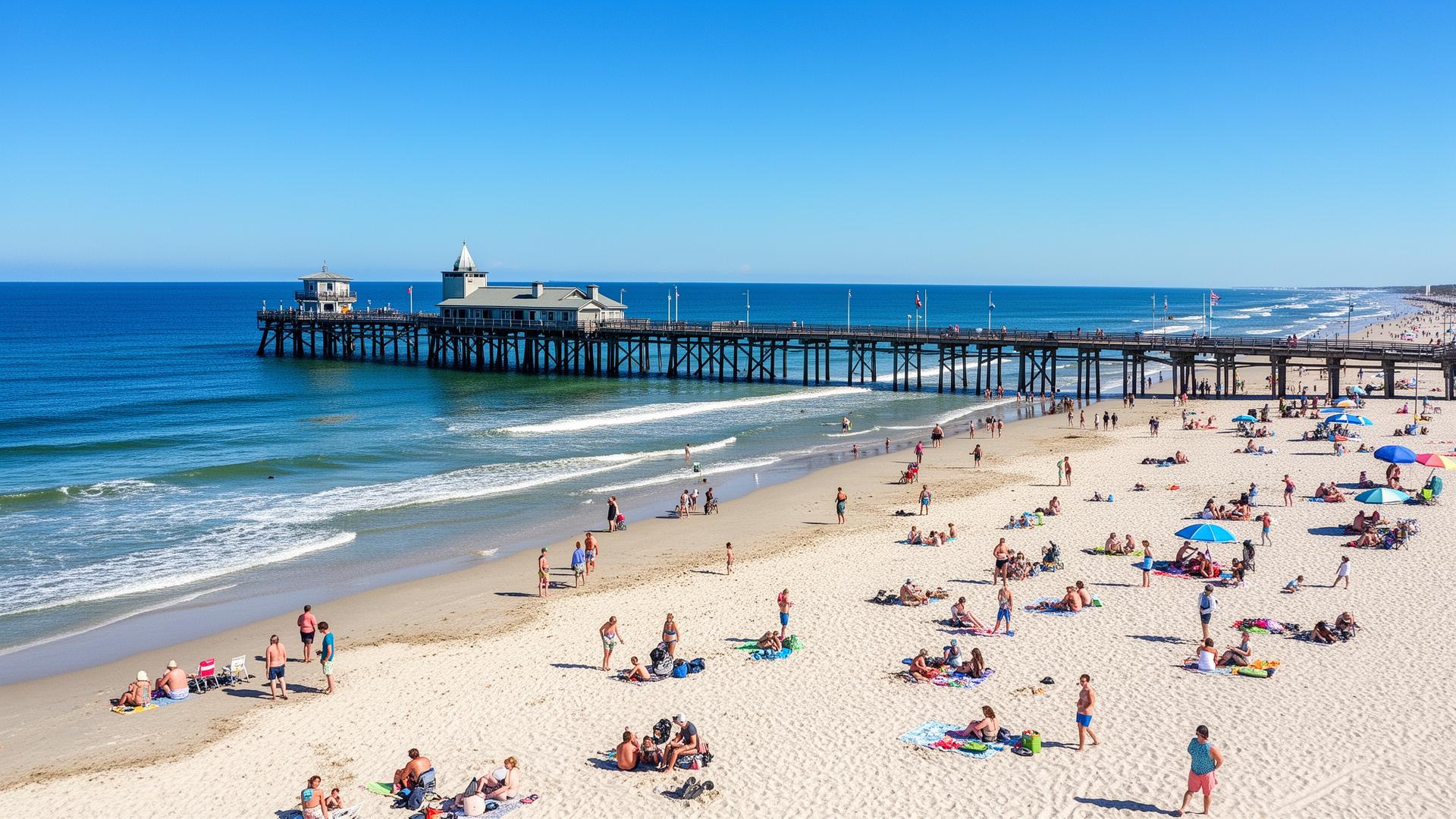
Cherry Grove Pier Area in North Myrtle Beach provides structure-based snorkeling opportunities. The pier pilings attract marine life, and the relatively shallow water around the pier makes for comfortable exploration. Early morning sessions before beach traffic stirs up sediment offer the best visibility.
Day Trip Snorkeling Destinations
Frying Pan Shoals (via Southport/Bald Head Island) — About three hours south of Myrtle Beach, the waters around Bald Head Island and Frying Pan Shoals offer dramatically better snorkeling conditions. The Gulf Stream's influence is stronger here, bringing clearer water and more tropical species. Boat-based snorkeling tours from Southport access rock ledges and artificial reefs where visibility can exceed 40 feet.
Cape Lookout National Seashore — A longer day trip (3.5 hours north), but the reward is some of the best snorkeling water on the Carolina coast. The clear, shallow waters around Cape Lookout and the nearshore rock ledges support sea turtles, rays, and dense schools of tropical fish during summer. Ferry access from Harkers Island or Beaufort, NC provides entry to this pristine, undeveloped barrier island.
Charleston area — Sullivan's Island and the jetties at Charleston Harbor offer snorkeling opportunities about two hours south. The harbor jetties attract tropical visitors during warm months, and guided snorkeling tours from local dive shops provide equipment and local knowledge.
What Makes Carolina Snorkeling Unique
The Carolina coast's snorkeling appeal lies in its unexpectedness. Visitors arrive expecting only sandy beaches and leave having discovered a marine ecosystem far richer than they imagined. The summer convergence of Gulf Stream water and coastal currents creates conditions where tropical fish species — normally associated with Caribbean destinations — appear alongside temperate species like flounder, drum, and sheepshead. This mixing zone creates a unique underwater diversity that snorkelers rarely encounter elsewhere.
The artificial reef program also provides encounters with larger marine life. Loggerhead sea turtles, which nest on Carolina beaches from May through August, are regularly spotted by snorkelers near reef structures. Nurse sharks, sand tiger sharks (harmless and impressive), and cobia visit the reefs seasonally, adding an element of exciting wildlife encounters.
Best Time to Snorkel
The snorkeling season near Myrtle Beach runs from June through September, with peak conditions in July and August when water temperatures reach the upper 70s to low 80s. Visibility is best during periods of calm weather following several days without rain — storm runoff significantly reduces water clarity. Morning sessions consistently offer better visibility than afternoon, as beach activity and afternoon winds stir up bottom sediment.
Tide timing matters significantly. Incoming tides bring cleaner ocean water toward shore, improving visibility at jetty and nearshore sites. Plan snorkeling sessions around high-tide windows for the best experience. Check the beach safety conditions and avoid snorkeling when red flags indicate dangerous currents.
Essential Gear
A quality mask with a good seal is essential — Carolina water isn't as forgiving as Caribbean water when it comes to mask leaks and limited visibility. Fins are important for maneuvering in current, especially at inlet and jetty sites. A rash guard provides sun protection during extended sessions, and a complete snorkeling kit should include reef-safe sunscreen, water shoes for rocky entries, and a surface marker for visibility to boats.
Where to Stay
For snorkeling-focused visits, Murrells Inlet and Pawleys Island offer the best combination of water access and accommodations. North Myrtle Beach provides access to the Cherry Grove area and day-trip access to North Carolina sites. Central Myrtle Beach works as a general base with the widest range of hotels and restaurants, though snorkeling sites are slightly less accessible.
Local Tips
Book a guided snorkeling boat tour for your first visit — local captains know which reef sites are producing the best visibility and marine life activity on any given day, and their knowledge dramatically improves your experience compared to shore-entry exploration alone. Bring an underwater camera; even budget waterproof cameras capture impressive images when visibility cooperates. Be prepared for variable conditions — Carolina snorkeling rewards flexibility and patience, and the best sessions often come unexpectedly when conditions align.
Snorkeling near Myrtle Beach may require more effort and local knowledge than Caribbean reef snorkeling, but the payoff — discovering a rich marine world hiding in plain sight along one of America's most popular beach destinations — makes the exploration worthwhile.