Whale Watching: The World's Best Destinations for Epic Encounters
From humpback breaches in Maui to gray whale calves in Baja California and orcas in Iceland—discover where and when to witness the planet's most magnificent marine mammals.
By BeachLoco Editorial
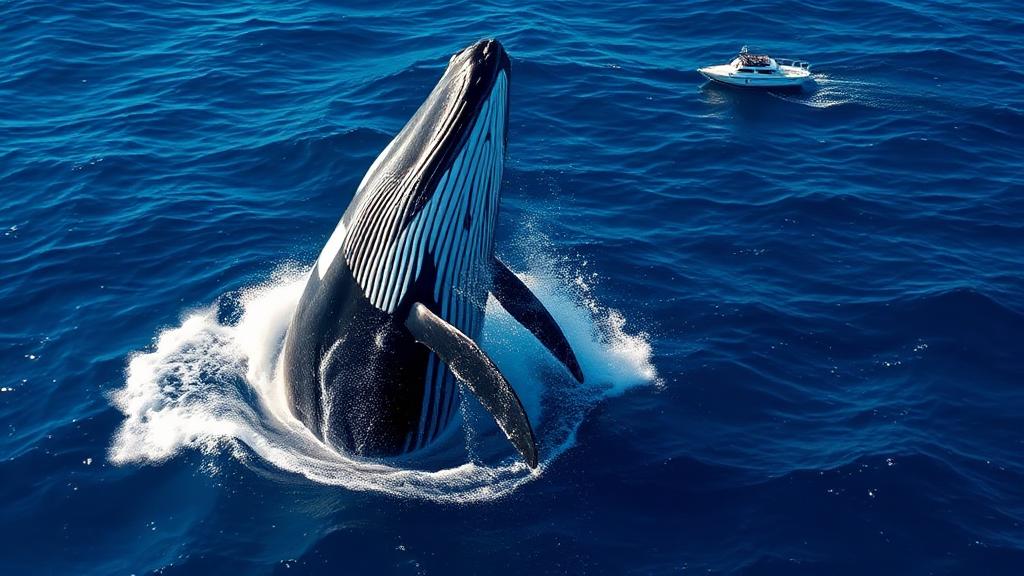
There's nothing that prepares you for the first time a humpback whale breaches just meters from your boat. The sheer mass of a 40-ton animal launching itself skyward, water cascading off its barnacled flanks, creates a moment so primal it rewires something in your brain. Whale watching isn't just wildlife viewing—it's an encounter with the ancient and enormous, a reminder that we share this planet with creatures of almost incomprehensible scale and grace.
🐋 Quick Facts: Whale Watching Worldwide

Maui, Hawaii: Humpback Whale Capital of the World
Every winter, over 10,000 North Pacific humpback whales migrate to the warm, shallow waters surrounding Maui to breed and give birth. The Auau Channel between Maui and Lanai becomes one of the densest concentrations of humpbacks anywhere on Earth, with whales visible from shore and encounters measured in minutes on any boat tour.
When to Go
Peak season runs December through April, with January through March offering the highest concentrations. Early season (December) tends to have more competitive male behavior—breaching, tail slapping, and head lunges. Late season (March–April) brings more mother-calf pairs in calm, intimate encounters.
Where to Depart
Lahaina Harbor is the traditional departure point for whale watching tours, with dozens of operators offering everything from large catamarans to small Zodiac boats. Ma'alaea Harbor serves the south side and often has shorter runs to the whales. Both offer 2-3 hour tours with NOAA-trained naturalists.
What to Expect
Maui whale watching is remarkably consistent—most tours report 95%+ sighting rates during peak season. You'll likely see multiple behaviors: spyhopping (head raised vertically to look around), pec slapping (flippers hitting the water), fluking (tail raised before a dive), and if you're lucky, full breaches. Hydrophones on some boats let you hear the males' haunting songs.
💡 Pro Tip: Maui
Book an early morning departure (7-8am). The water is typically calmer, the light is better for photography, and you'll beat the crowds. Bonus: afternoon tours get choppier as trade winds pick up.
Baja California, Mexico: Gray Whale Nurseries
The Pacific gray whale makes one of the longest migrations of any mammal—10,000 miles from Arctic feeding grounds to the warm lagoons of Baja California Sur. Here, in shallow, protected waters, they give birth and nurse their calves before the return journey north. What makes Baja extraordinary is the "friendly whale" phenomenon: curious mothers actually push their calves toward boats for human interaction.
The Lagoons
San Ignacio Lagoon offers the most intimate encounters. Small pangas (skiffs) with strict permit limits mean you're often the only boat near a whale. Magdalena Bay is larger and more accessible from La Paz, with longer whale-watching seasons. Ojo de Liebre (Scammon's Lagoon) near Guerrero Negro was the first protected gray whale sanctuary and offers eco-camp experiences.
When to Go
Gray whales arrive in December and depart by April. Peak "friendly whale" season is mid-January through mid-March, when mothers are comfortable enough to bring their calves alongside boats. February is generally considered the sweet spot for calf encounters.
The Friendly Whale Experience
Nothing quite prepares you for a 40-foot gray whale approaching your 20-foot panga, making eye contact, and presenting her calf for you to touch. Locals call them "ballenas amistosas"—friendly whales. Scientists believe the behavior may have started as whales learned that boats were no longer a threat after whaling ended. Whatever the reason, the experience is transcendent.
💡 Pro Tip: Baja
Stay at an eco-camp inside San Ignacio Lagoon rather than doing day trips from Loreto or La Paz. Multi-day stays mean multiple panga outings and dramatically higher chances of friendly whale encounters.
Iceland: Orcas, Humpbacks, and Arctic Drama
Iceland has emerged as Europe's premier whale watching destination, with multiple species visible year-round in dramatic Arctic settings. The herring migration draws humpbacks and orcas in staggering numbers, while the midnight sun of summer means whale watching at 11pm with golden light on glaciated peaks.
Húsavík: The Whale Capital of Iceland
This small fishing town on Skjálfandi Bay in north Iceland has become synonymous with whale watching. Humpbacks are the stars, often feeding cooperatively in bubble-net formations right beside boats. Blue whales occasionally appear in summer, creating the rarest of encounters. Multiple operators offer traditional oak-hulled boats for an authentic experience.
Grundarfjörður: Orca Central
In winter, the Westfjords town of Grundarfjörður becomes one of the best places on Earth to see wild orcas. Pods follow the herring into the fjord, sometimes numbering 50+ individuals. The dramatic Kirkjufell mountain provides an iconic backdrop. Tours run January through March when orcas are most reliable.
Reykjavík: Convenience with Compromises
Tours from Reykjavík's Old Harbor offer easy access from the capital, with minke whales and dolphins as the primary species. While sighting rates are lower than northern Iceland, the convenience factor and combination with city attractions make it popular for short visits. Summer months (June–August) offer the best conditions.
💡 Pro Tip: Iceland
For orcas, book a multi-day trip to Grundarfjörður in February. For humpbacks, Húsavík in July offers midnight sun whale watching—an unforgettable experience. Both require advance booking as tour capacity is limited.
Choosing Your Whale Watching Adventure
| Destination | Primary Species | Peak Season | Best For |
|---|---|---|---|
| Maui, Hawaii | Humpback Whales | Jan–Mar | Consistent breaching, beach vacation combo |
| Baja California | Gray Whales | Jan–Mar | Close encounters, touching calves |
| Húsavík, Iceland | Humpbacks, Blues | Jun–Aug | Arctic scenery, midnight sun |
| Grundarfjörður, Iceland | Orcas | Jan–Mar | Killer whale pods, dramatic fjords |
| Hermanus, South Africa | Southern Right Whales | Jun–Nov | Land-based viewing, wine country |
| Mirissa, Sri Lanka | Blue Whales | Feb–Apr | Largest animals on Earth, tropical setting |
What to Bring & How to Prepare
Essential Gear
- Binoculars: 7x35 or 8x42 are ideal—waterproof if possible
- Camera with zoom: 200mm+ for good whale photos
- Layers: Ocean weather changes quickly, even in tropics
- Seasickness remedy: Take Dramamine 30 min before departure
- Sun protection: Reef-safe sunscreen, hat, polarized sunglasses
Choosing a Tour Operator
Look for operators with marine biologists or naturalists on board—they'll enhance your understanding and help spot whale behavior. Smaller boats often get closer to whales but can be rougher in swells. Larger catamarans are more stable but may have more passengers. Check if the operator follows whale watching guidelines (maintaining safe distances, limiting time with individual whales).
Photography Tips
Set your camera to continuous/burst mode before departure. Use shutter priority with 1/1000s or faster to freeze breaches. Keep ISO on auto but cap it at 6400 to avoid too much noise. The best whale photos often happen quickly—be ready at all times, especially when the naturalist calls out a blow.
Responsible Whale Watching
Whale watching, done right, supports conservation by creating economic incentives to protect marine habitats. Choose operators who follow established guidelines: maintaining minimum approach distances (typically 100 meters for most species), never chasing whales, and limiting engine noise. In Baja, only licensed pangas are permitted in the lagoons, ensuring minimal disturbance to nursing mothers.
The best whale watching experiences happen when animals choose to approach boats, not the other way around. That curious humpback spy-hopping to examine your boat, or the gray whale mother guiding her calf to your panga—these moments happen because the whales feel safe. Support operators who prioritize animal welfare over guaranteed sightings.
Where to Watch Whales
Many of the world's best whale watching destinations are also incredible beach getaways. Combine your whale watching with beach time in Honolulu for humpback season or Cancun for whale shark encounters. For more marine wildlife experiences, explore our sea turtle snorkeling guide and best snorkeling beaches.