Cornwall Coast Travel Guide: Surf, Cliffs, and Fishing Villages
From the legendary surf breaks of Newquay to the artist colony of St Ives — Cornwall's Atlantic coast is Britain's most dramatic beach destination.
By BeachLoco Editorial
Cornwall occupies the far southwestern tip of England, a peninsula battered by Atlantic swells and blessed with a microclimate that produces palm trees, turquoise coves, and — on its best days — water so clear it could pass for the Caribbean. That comparison ends when you feel the temperature, of course. But Cornwall's appeal has never been about warmth alone. This is a coast defined by drama: 300-meter granite cliffs, roaring surf, ancient fishing harbors tucked into narrow inlets, and a creative culture shaped by extraordinary light.
The South West Coast Path, Britain's longest waymarked trail, traces Cornwall's entire shoreline for over 400 kilometers, connecting secret coves, ruined tin mines, and beaches accessible only on foot. It's this combination of wild beauty and cultural depth — world-class surfing alongside Michelin-starred seafood, Iron Age clifftop ruins beside contemporary art galleries — that makes Cornwall unique in the Atlantic Europe beach landscape.
Who This Is Best For
Surfers seeking Europe's most consistent and varied wave menu. Hikers drawn to dramatic coastal trails above the Atlantic. Foodies chasing Rick Stein's Padstow empire and Cornwall's exceptional seafood scene. Families wanting rock-pool adventures and safe, lifeguarded beaches. Artists and creatives inspired by the same light that drew the St Ives school of painters.
The North Coast: Surf and Sand
Cornwall's north coast faces directly into the Atlantic, receiving the full force of ocean swells that have traveled thousands of miles from the Americas. This is Britain's surf heartland. Fistral Beach in Newquay — host to the annual Boardmasters festival — is the country's most famous wave, producing powerful, consistent surf that works across all tides.
But the north coast's appeal extends well beyond Newquay. Watergate Bay, just north of town, offers a wider, less crowded alternative with excellent conditions for both surfing and wild swimming. Constantine Bay and Harlyn Bay, near Padstow, provide sheltered options when Fistral is too big. And Polzeath, a family-friendly surf beach with gentle learner waves, has become one of Cornwall's most beloved summer destinations.
The coastline between Newquay and St Ives is studded with smaller coves — Porthtowan, Chapel Porth, Godrevy — each offering its own character. Chapel Porth, set beneath heather-covered cliffs with the ruins of Wheal Coates tin mine perched above, is arguably Cornwall's most photogenic beach. Arrive at low tide when the sand stretches for hundreds of meters.
St Ives: Where Art Meets the Atlantic
St Ives occupies a special place in British coastal culture. This former fishing port, clustered around a natural harbor on Cornwall's north coast, has drawn artists since the 1880s — attracted by a quality of light that rivals the Mediterranean. Today, the Tate St Ives gallery stands on Porthmeor Beach, its modernist curves echoing the waves breaking below.
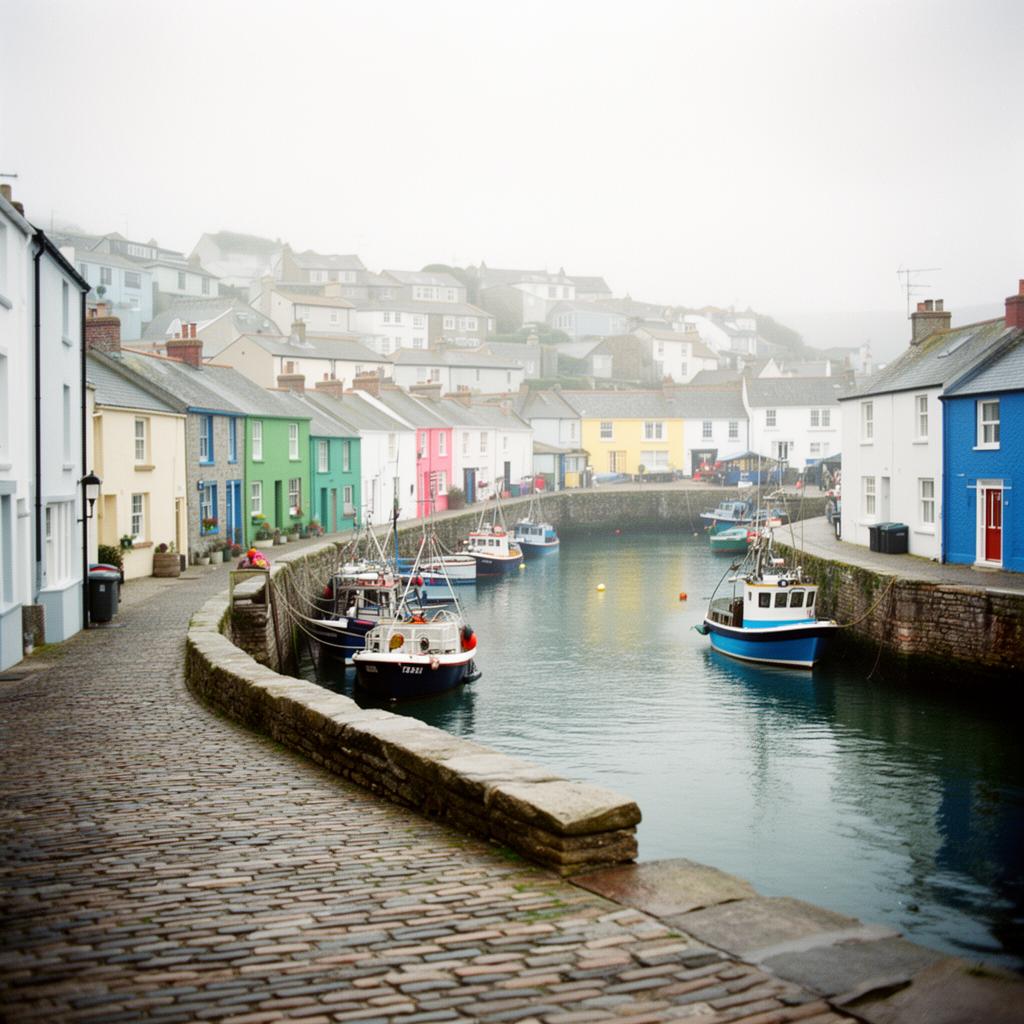
The town itself wraps around four beaches, each distinct. Porthmeor faces north into the surf; Porthminster, on the sheltered south side, offers calm, family-friendly water with views across St Ives Bay to Godrevy Lighthouse (the inspiration for Virginia Woolf's novel). The harbor beach fills and empties with the tides, while Porthgwidden — a tiny, hidden cove beside the Island headland — is the local's secret.
Beyond the beaches, St Ives delivers some of the best eating in Cornwall. The seafood restaurants along the harbor front serve day-boat catches, while the narrow lanes of the old town are packed with independent galleries, studios, and artisan shops. It's the rare beach town that's equally rewarding on a rainy day.
The South Coast: Coves and Creek Villages
Cornwall's south coast — the "Cornish Riviera" — trades Atlantic drama for sheltered beauty. The coastline is softer, more intimate: wooded estuaries, hidden coves, and subtropical gardens that thrive in the Gulf Stream's warmth. The Helford River area, near Falmouth, contains some of Cornwall's most beautiful and least accessible beaches.
Kynance Cove, on the Lizard Peninsula, is regularly voted Britain's most beautiful beach — and deserves the title. Turquoise water, serpentine rock stacks, and white sand create a landscape that looks genuinely tropical. The catch: access requires a cliff-path descent, and the beach disappears at high tide. Check tide times and arrive two hours before low water for the full experience.
Further west, the Minack Theatre — an open-air amphitheater carved into the clifftop above Porthcurno Beach — offers one of the world's most spectacular performance venues. Watch a play as the sun sets over the Atlantic, with turquoise water hundreds of feet below the stage. Porthcurno itself is a stunning beach: fine white shell sand in a steep-sided cove with some of the clearest water in Cornwall.
Land's End to the Isles of Scilly
The far west of Cornwall feels like the end of the world — because, geographically, it is. Land's End, the westernmost point of mainland England, offers dramatic cliff walks and views toward the Isles of Scilly, 45 kilometers offshore. The beaches around Sennen Cove, just north of Land's End, catch excellent surf and offer a wilder, less commercial alternative to the north coast breaks.
The Isles of Scilly — five inhabited islands plus countless uninhabited rocks and sandbars — are Cornwall's ultimate escape. White-sand beaches, gin-clear water, and an almost complete absence of cars create an atmosphere that feels decades removed from the mainland. Tresco, with its famous Abbey Garden and stunning beaches on Great Bay, is the most visited island, but St Martin's and Bryher offer even greater seclusion.
Best Time to Visit
June to September is peak season, with the warmest water (15–18°C — yes, a wetsuit is non-negotiable) and the longest days. May and early October offer excellent conditions with significantly fewer crowds — ideal for hiking and surfing. The South West Coast Path is walkable year-round, though winter storms make some sections spectacular but challenging. For surf, September to November typically produces the best swells with manageable crowds.
Where to Stay
St Ives for art, food, and beach variety — the best all-round base. Newquay for surf culture and nightlife (especially Fistral and Watergate Bay). Padstow for food-focused trips and access to the Camel Estuary's beaches. Falmouth for the south coast, with excellent restaurants and a working harbor atmosphere. For total seclusion, the Isles of Scilly — specifically St Mary's or Tresco — deliver a pace of life found nowhere else in Britain.
Travel Tips
A car is essential — public transport exists but is slow and infrequent, especially to the best beaches. Cornwall's single-track lanes are narrow; drive carefully and use passing places. Always check tide times before visiting any beach, as many Cornish coves disappear entirely at high tide. Water temperatures rarely exceed 18°C even in August; bring a good wetsuit for any extended time in the water. The Atlantic Europe coastline demands respect — rip currents are common, so swim at lifeguarded beaches whenever possible.
Explore more hidden gem beaches along Europe's most dramatic coastlines.