Fishing Charters in Cabo San Lucas — Marlin Capital of the World
Book world-class fishing charters in Cabo for striped marlin, dorado, yellowfin tuna, and more.
By BeachLoco Editorial Team
Overview
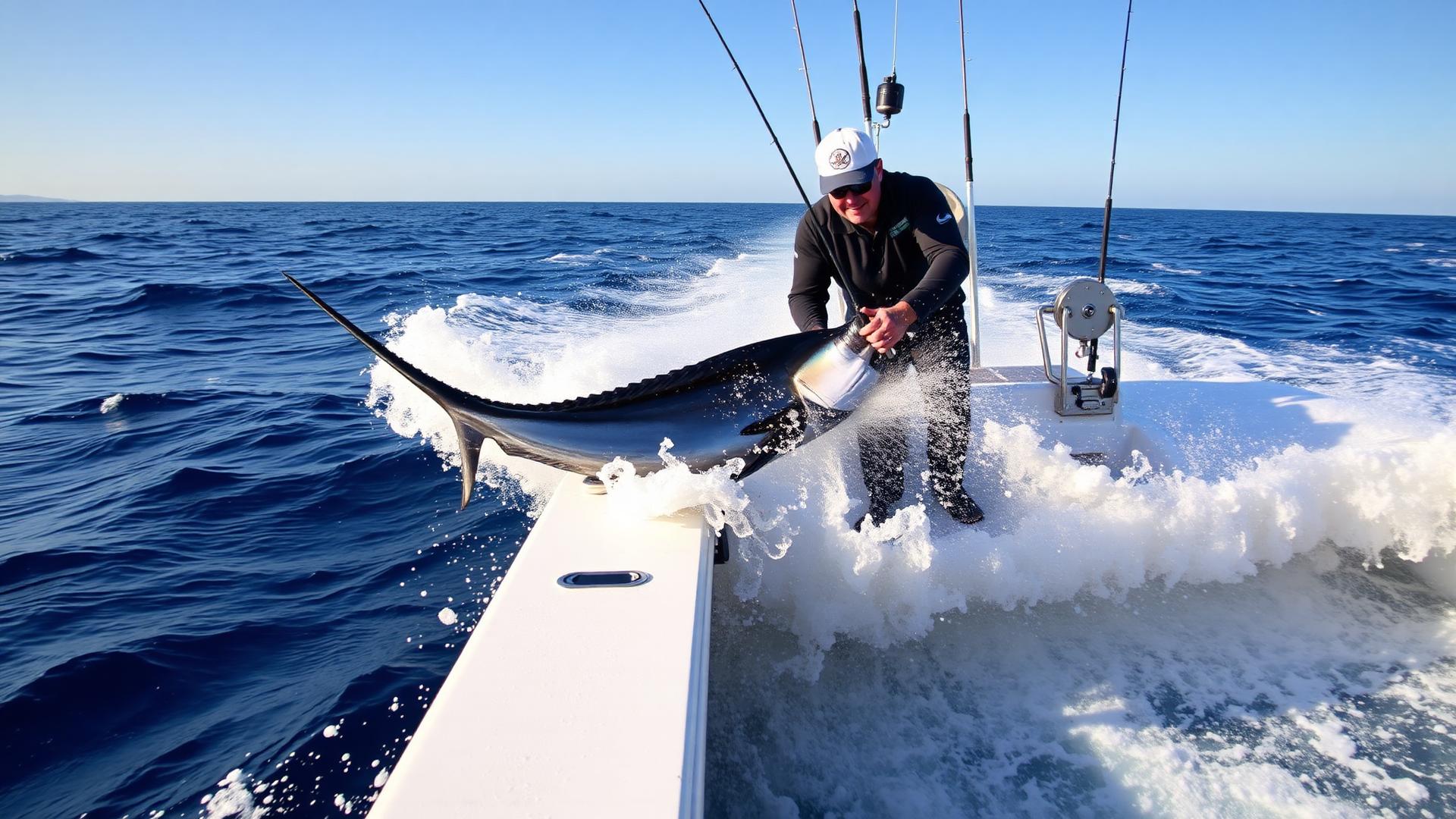
Los Cabos sits at the tip of Mexico's Baja California Peninsula, where the Pacific Ocean collides with the Sea of Cortez in one of the richest marine ecosystems on the planet. Jacques Cousteau famously called the Sea of Cortez "the world's aquarium," and the fishing charter industry in Cabo San Lucas has built an international reputation on the extraordinary abundance of game fish that thrive in these productive waters. From striped marlin to roosterfish, the angling opportunities here are genuinely world-class.
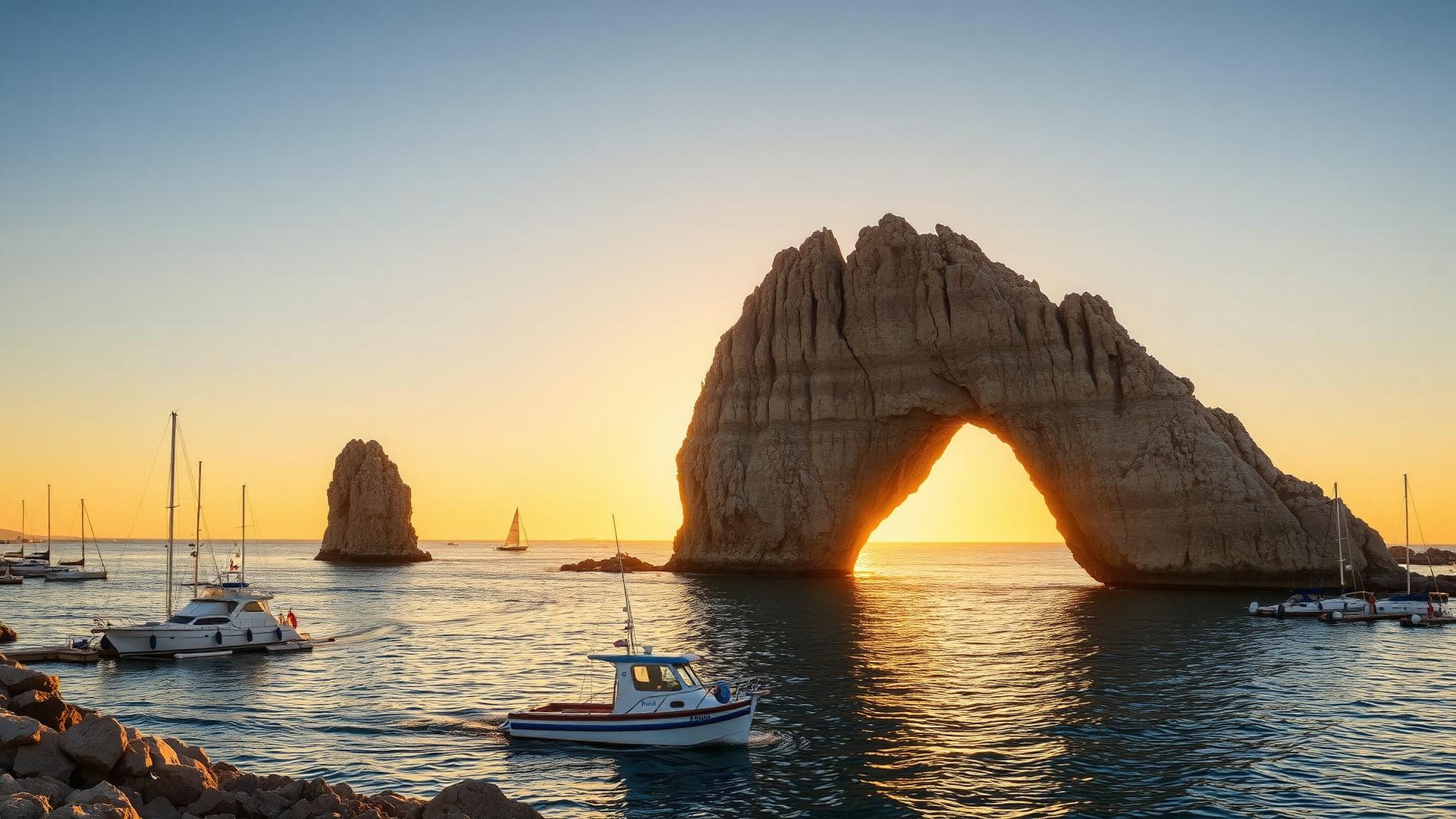
The Cabo San Lucas charter fleet is one of the largest and most professional in Mexico, operating from the modern marina at the heart of the town. The fleet ranges from pangas — the traditional open fishing boats of Mexico that offer an authentic and affordable experience — to fully equipped luxury sportfishing yachts that rival anything in the global fleet. This range of options makes Cabo accessible to every budget and experience level.
Why Cabo Fishing Charters Are Popular
The convergence of two major bodies of water at Land's End creates oceanographic conditions that funnel bait and game fish into a relatively compact area. Nutrient upwellings from deep submarine canyons — some dropping to 6,000 feet within a few miles of shore — bring cold, food-rich water to the surface, supporting a food chain that culminates in massive populations of billfish, tuna, and dorado. This natural abundance means that productive fishing grounds are often just 15 to 30 minutes from the marina.
Cabo's billing as the "Marlin Capital of the World" is not mere marketing. The waters off the cape support populations of striped marlin, blue marlin, and black marlin in numbers that few destinations can approach. During peak season, it is not unusual for boats to raise five to ten marlin in a single day, with experienced crews achieving multiple hookups before lunch. This consistency, combined with the beauty of the desert-meets-ocean landscape, creates an unmatched fishing experience.
The accessibility of Cabo from the United States and Canada adds to its appeal. Direct flights from most major cities arrive in under three hours, and the tourism infrastructure — hotels, restaurants, transportation — is modern and well-developed. Many anglers make annual pilgrimages to Cabo, building relationships with captains and crews that enhance the experience year after year.
What Makes Cabo Fishing Unique
The striped marlin fishery is Cabo's crown jewel. These acrobatic billfish, averaging 100 to 150 pounds, are found in extraordinary concentrations from October through March. The fishing technique typically involves slow-trolling live mackerel or caballito over deep structure, and the visual experience of watching a lit-up marlin stalk your bait through the clear blue water is one of sport fishing's great thrills. Catch-and-release practices are widely embraced, ensuring the sustainability of this remarkable fishery.
The Pacific side of the cape offers distinctly different fishing from the Sea of Cortez side, giving captains the flexibility to choose their fishing grounds based on conditions. The Pacific produces more blue marlin and yellowfin tuna, while the Sea of Cortez is known for dorado, roosterfish, and wahoo. On the best days, boats can fish both sides of the cape in a single trip, taking advantage of wind and current patterns to maximize opportunities.
Inshore fishing in Cabo offers experiences unique to this destination. The rocky coastline and sandy beaches around Land's End hold populations of roosterfish — a spectacular fighting fish found only in the Eastern Pacific — that can exceed 50 pounds. Sight-casting to roosterfish from pangas in the surf zone is an adrenaline-charged experience that dedicated light-tackle anglers travel specifically to enjoy.
Best Time to Visit
The striped marlin season from October through March represents the peak fishing period and draws the most charter activity. January and February typically produce the highest concentration of marlin, with boats averaging multiple hookups per day. Water temperatures during this period range from 72 to 78°F, and calm seas are common, making for comfortable fishing conditions.
Summer months from June through September bring the warmest water and the best opportunities for blue marlin, yellowfin tuna, and dorado. Blue marlin exceeding 500 pounds are taken annually during this period, and the tuna fishing — particularly for yellowfin in the 100-plus-pound class — can be extraordinary. The dorado run from June through October produces some of the most exciting light-tackle action available anywhere.
Spring (April-May) and late fall (November) serve as transition periods when multiple species overlap. These months often produce the most diverse catches, with marlin, tuna, dorado, wahoo, and roosterfish all available on the same day. For anglers seeking variety rather than targeting a single species, these shoulder seasons offer the best bang for the buck. Compare with our Cancún fishing charters and Nassau fishing charters guides for alternative destinations.
Nearby Beaches and Attractions
The beaches of Los Cabos rank among Mexico's finest, with dramatic contrasts between the Pacific and Sea of Cortez shores. Medano Beach, the only swimmable beach in Cabo San Lucas proper, offers a lively atmosphere with beach clubs, water sports, and restaurants. Playa del Amor (Lover's Beach), accessible only by water taxi, sits dramatically at Land's End where the Pacific meets the Sea of Cortez. Discover more at our best beaches in Cabo guide.
The Cabo San Lucas marina itself is a major attraction, lined with restaurants, bars, and shops. The evening scene along the marina is vibrant, with charter boats returning to cheering crowds and fresh-caught fish being weighed and displayed at the docks. This daily ritual of welcoming the fleet home is one of Cabo's most authentic and entertaining traditions.
The artistic town of San José del Cabo, 20 miles northeast, offers a more refined cultural experience with its gallery district, colonial architecture, and farm-to-table restaurant scene. Thursday evening art walks through San José's gallery district have become one of the most popular cultural activities in Los Cabos. The Cabo Pulmo National Marine Park, an hour northeast, offers exceptional snorkeling and diving in a protected reef system. Explore our snorkeling in Cabo guide for details.
Where to Stay
The Cabo San Lucas marina area offers the most convenient base for fishing charters, with numerous hotels within walking distance of the docks. Early morning departures are easier when you can roll out of bed and walk to your boat. The downtown area also provides the best restaurant and nightlife access for post-fishing celebrations.
The Tourist Corridor stretching between Cabo San Lucas and San José del Cabo hosts most of the luxury resort properties, with dramatic cliffside settings overlooking the Sea of Cortez. While these resorts are a 15 to 30-minute drive from the marina, most offer fishing charter concierge services and shuttle transportation. The resort experience here is world-class, with championship golf, full-service spas, and multiple dining venues. See our luxury resorts in Cabo guide.
San José del Cabo provides a more authentic Mexican experience, with boutique hotels in restored colonial buildings and a walkable downtown centered around the town square and mission church. Staying in San José appeals to travelers who want cultural depth alongside their fishing experience, and the town's restaurant scene has blossomed into one of the most interesting in the region.
Local Tips
The panga fleet offers an authentic and cost-effective alternative to luxury sportfishing yachts. These open boats, typically 22 to 26 feet, are operated by skilled local fishermen who know the nearshore waters intimately. Panga trips are particularly effective for roosterfish, dorado, and sierra mackerel, and the closer-to-the-water experience creates an intimacy with the ocean that larger boats cannot replicate.
Negotiate charter prices during slower periods (April-May, September-October), when some operators offer discounts of 15 to 25 percent. However, during peak marlin season (December-February), expect to pay full rates and book well in advance. The best captains in Cabo are booked months ahead for prime dates, so early planning is essential for serious marlin anglers.
Bring a cooler or insulated bag if you plan to bring fish back to your hotel. Many Cabo restaurants — even high-end ones — will prepare your fresh-caught fish if you bring it in. Dorado ceviche made from morning-caught fish is a Cabo tradition that should not be missed. Ask your captain which restaurants near the marina offer the best catch preparation.
Tipping is an important part of the charter fishing culture in Mexico. Standard practice is 15 to 20 percent of the charter cost, divided between captain and mate. For an exceptional day — a personal-best marlin, a grand slam, or extraordinary effort by the crew — more generous tipping is customary and deeply appreciated.