Florida Natural Springs Guide: Swimming, Diving & Tubing at Crystal-Clear Freshwater Springs
Explore Florida's magical freshwater springs—from swimming in 72°F crystal-clear waters to cave diving adventures and lazy river tubing. Complete guide to the best springs for every activity.
By Coastal Jane
Florida is home to over 700 natural springs—more than any other state—pumping billions of gallons of crystal-clear, 72°F water from ancient underground aquifers. From swimming in gin-clear pools to exploring underwater cave systems and floating down lazy spring-fed rivers, this guide covers everything you need to experience Florida's most magical freshwater destinations.
💧 Florida Springs Quick Facts
- Number of Springs: 700+ documented springs
- Water Temperature: Constant 68-74°F year-round
- First-Magnitude Springs: 33 (highest flow rate category)
- Water Source: Florida Aquifer (underground limestone)
💧 Understanding Florida's Natural Springs
Florida sits atop the Floridan Aquifer, one of the world's largest and most productive groundwater systems. Rain that fell decades or even centuries ago filters through limestone, emerging as incredibly clear spring water at constant temperatures year-round.
Spring Classification by Flow Rate
| Magnitude | Flow Rate | Examples |
|---|---|---|
| 1st Magnitude | 100+ cubic feet/second | Silver Springs, Rainbow Springs, Wakulla |
| 2nd Magnitude | 10-100 cubic feet/second | Blue Spring, Troy Spring, Manatee Springs |
| 3rd Magnitude | 1-10 cubic feet/second | Smaller springs and spring-fed pools |
Why Springs Are Crystal Clear
The remarkable clarity of Florida springs comes from natural filtration through limestone aquifer rock. As water travels underground for years or decades, particles are filtered out, resulting in visibility often exceeding 100 feet—clearer than most swimming pools.
🏊 Best Springs for Swimming
Swimming in a Florida spring is unlike any other experience—the water is so clear you can see every detail of the bottom, and the constant 72°F temperature feels refreshingly cool in summer and surprisingly warm in winter.
Top Swimming Springs
🏆 Ichetucknee Springs State Park
One of Florida's most pristine spring systems with multiple swimming areas and the famous tubing run. The headspring is a stunning blue bowl surrounded by cypress trees.
- Location: Fort White (North-Central Florida)
- Best for: Swimming, snorkeling, tubing, kayaking
- Facilities: Restrooms, changing areas, tube rentals nearby
- Crowd tip: Arrive before 10 AM on weekends
Ginnie Springs
Privately owned with multiple spring vents, famous for cave diving but equally spectacular for swimming. The main spring is a massive blue bowl with incredible clarity.
- Location: High Springs (North-Central Florida)
- Best for: Swimming, diving, camping, paddling
- Unique: Multiple springs on property, camping available
- Note: Admission fee; can be crowded on weekends
Alexander Springs
Located in Ocala National Forest, this first-magnitude spring creates a large swimming area with a sandy beach and gentle current.
- Location: Ocala National Forest
- Best for: Family swimming, snorkeling, kayaking
- Facilities: Beach area, changing rooms, canoe launch
Wekiwa Springs State Park
Just 20 minutes from Orlando, this park offers a swimming-designated spring pool with lifeguards, making it ideal for families.
- Location: Apopka (near Orlando)
- Best for: Family swimming, picnicking, hiking
- Unique: Lifeguards on duty, close to Orlando
De Leon Springs State Park
Historic spring with a designated swimming area and the unique Old Spanish Sugar Mill restaurant where you cook your own pancakes.
- Location: De Leon Springs (near Daytona)
- Best for: Swimming, history, unique dining
- Unique: Make-your-own-pancakes restaurant on-site
Juniper Springs
Nestled in the Ocala National Forest, this CCC-era spring features a stone-lined pool perfect for swimming and a beautiful canoe run.
- Location: Ocala National Forest
- Best for: Swimming, canoeing, camping
- Historic: 1930s CCC-built facilities
🏊 Swimming Tips
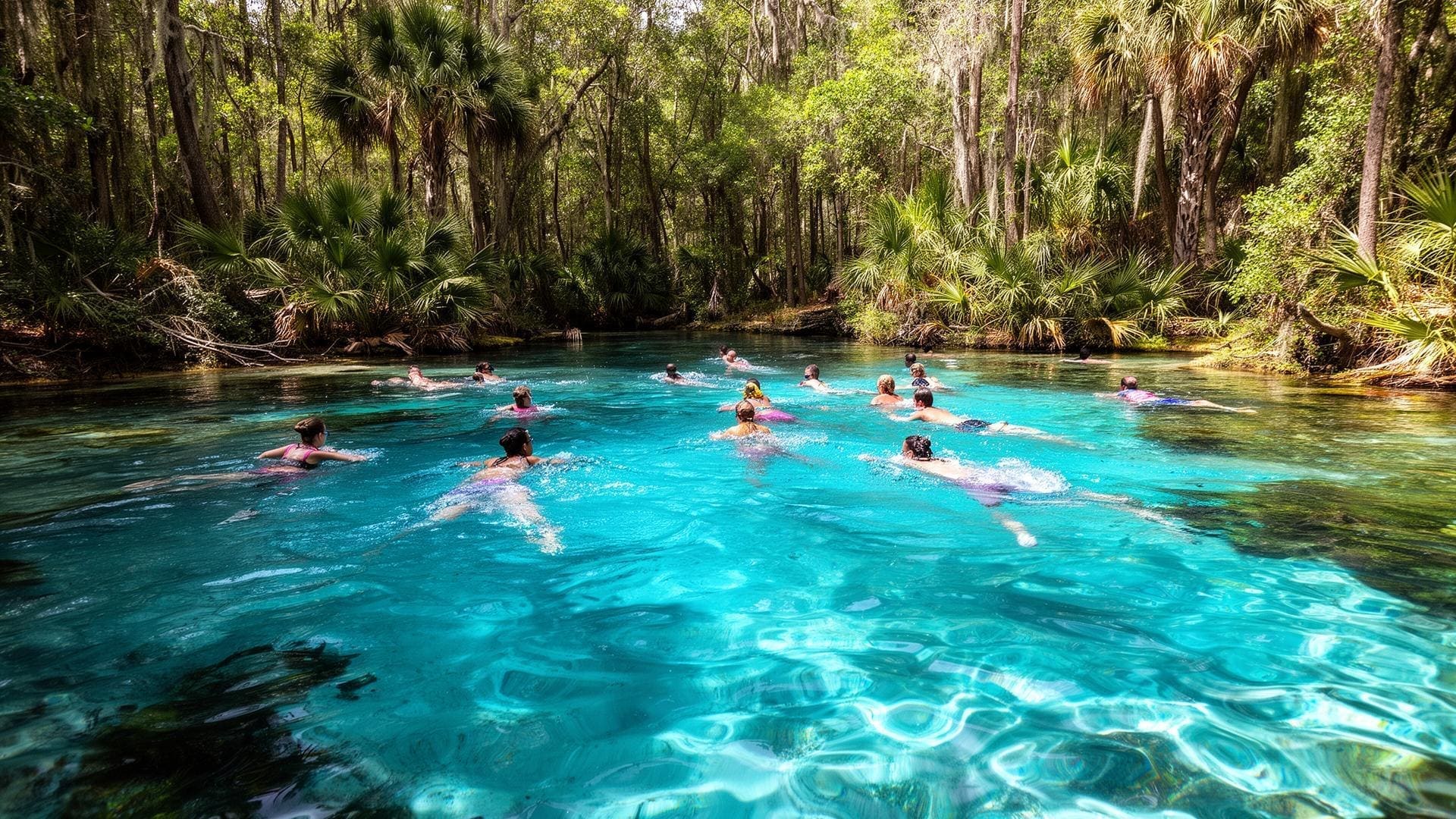
- 72°F feels cold at first—give yourself time to adjust
- Wear water shoes for rocky or slippery spring bowls
- Use only mineral-based, reef-safe sunscreen
- Many springs have strong currents near vents—stay aware
- Never touch or stand on the spring vent or surrounding formations
🤿 Cave Diving & Snorkeling
Florida is the cave diving capital of the world. The same limestone that creates springs has carved extensive underwater cave systems, drawing divers from across the globe. But you don't need to be a cave diver—many springs offer incredible snorkeling and open-water diving.
Snorkeling Springs
These springs offer amazing visibility for snorkelers without requiring scuba certification:
Three Sisters Springs
Crystal River | Famous for manatee encounters
Snorkel with manatees in winter (November-March) in incredibly clear water. Access by kayak/paddleboard or guided tour only.
Rainbow Springs
Dunnellon | First-magnitude spring
Massive spring head with stunning blue water. Snorkeling in spring area with fish, turtles, and incredible visibility.
Devil's Den
Williston | Underground spring
Prehistoric underground spring inside a dry cave. Snorkeling and diving with ancient fossil beds. Reservation required.
Gilchrist Blue Springs
High Springs | State park
Smaller spring with excellent snorkeling, less crowded than nearby Ichetucknee. No tubing allowed—focused on swimming/snorkeling.
Open-Water Scuba Diving
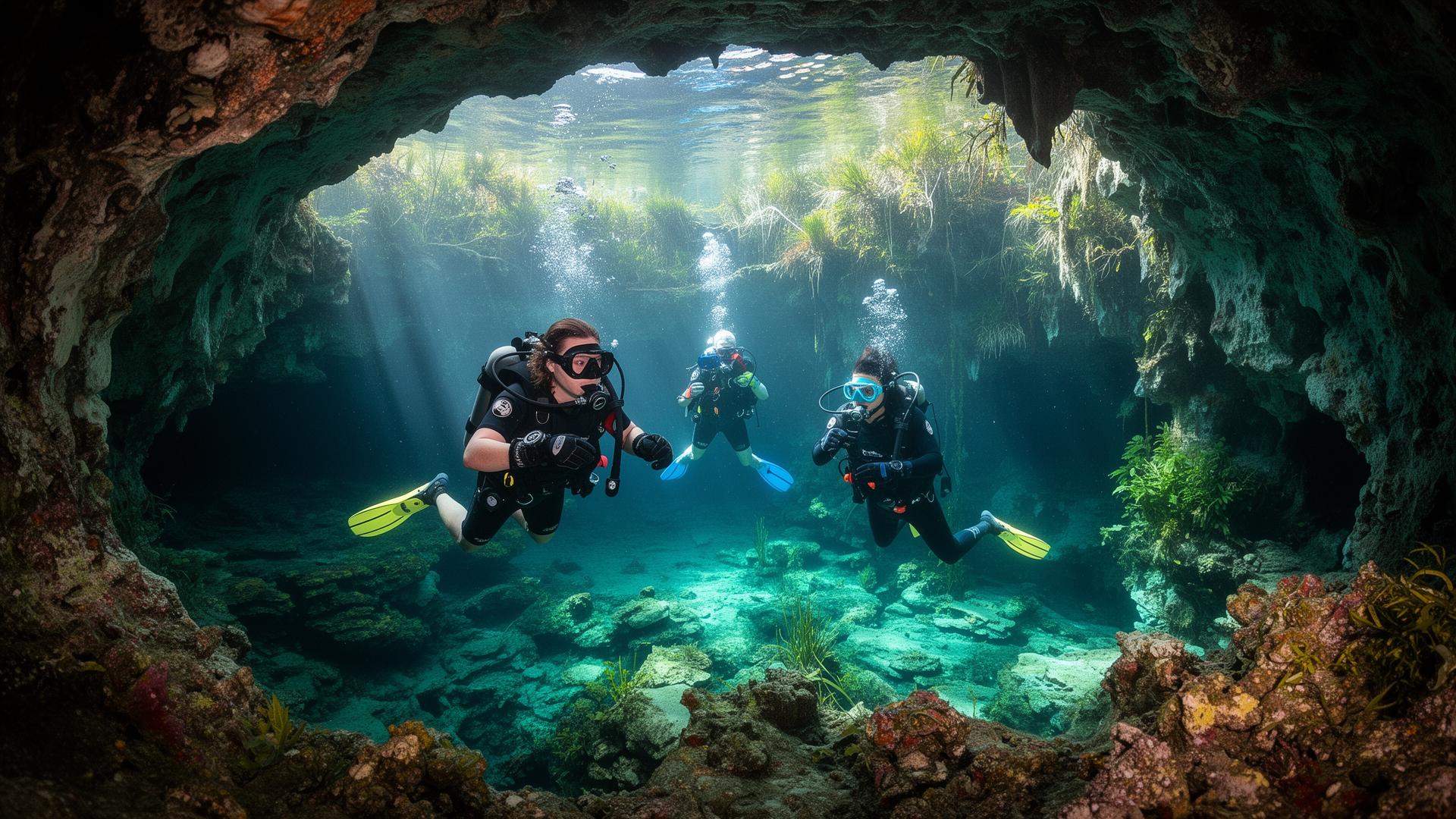
These springs welcome certified open-water divers (no cave certification required for basin diving):
Blue Grotto
Williston | Cavern/open-water diving
Stunning cavern with a 100-foot descent into crystal-clear water. Open-water divers can explore the upper cavern; cave certification required for deeper exploration. Air fill station on-site.
Ginnie Springs
High Springs | Multiple diving sites
Several spring vents for open-water diving, plus world-famous cave systems for certified cave divers. Visibility often exceeds 100 feet.
Manatee Springs
Chiefland | State park
First-magnitude spring with open-water diving in the basin. Watch for manatees in cooler months. Boardwalk to spring run.
Cave Diving (Certified Divers Only)
⚠️ Cave Diving Warning
Cave diving requires specialized training, equipment, and certification. More divers have died in Florida's caves than any other underwater environment. Never enter cave systems without proper cave diving certification.
- Cavern certification: Daylight-zone diving only
- Intro to Cave: Limited penetration with guidelines
- Full Cave: Extended penetration and complex navigation
Top cave diving destinations (for certified cave divers):
- Ginnie Springs: Devil's Eye, Devil's Ear—world-famous systems
- Peacock Springs State Park: Multiple interconnected cave systems
- Jug Hole / Madison Blue: Advanced cave systems
- Jackson Blue Spring: Extensive cave passages
- Little River Spring: Popular training site
🛟 Tubing & Lazy Rivers
Floating down a crystal-clear, spring-fed river on an inner tube is quintessential Florida. The constant 72°F water keeps you cool even in summer heat, while the gentle current does all the work.
Best Tubing Springs
🏆 Ichetucknee Springs State Park
The gold standard of Florida tubing. A 3.5-mile journey through pristine spring-fed waters with multiple entry points and constant-clear visibility.
- Duration: 1.5-3 hours depending on entry point
- Season: Open year-round; summer weekends require early arrival
- Rentals: Tubes available at nearby outfitters
- Note: Tram returns you to parking lot
💡 Pro tip: Use the north entrance for the full 3.5-mile run; south entrance for 1-hour float.
Rainbow River
Crystal-clear first-magnitude spring feeding a gorgeous river. Multiple outfitters offer tubing with shuttle service.
- Duration: 2-4 hours depending on route
- Best for: Relaxed tubing, kayaking, paddleboarding
- Unique: Wider river with abundant wildlife
Weeki Wachee Springs
Famous for mermaid shows, but the adjacent Buccaneer Bay offers excellent tubing on the spring run.
- Duration: 1-2 hours
- Best for: Families, combining with mermaid show
- Included: Water park admission includes river access
Ginnie Springs
Privately owned with Santa Fe River access. Tube the river between multiple spring vents.
- Duration: Variable; can paddle/tube between springs
- Best for: Groups, camping weekends
- Note: Higher admission on weekends
Rock Springs Run (Kelly Park)
Near Orlando, this spring run offers a relaxing tube float through lush subtropical forest.
- Duration: 30-45 minutes per loop
- Best for: Day trips from Orlando, families
- Note: Park often reaches capacity early on weekends
Tubing Essentials
✅ What to Bring Tubing
- Water shoes (mandatory at many springs)
- Waterproof phone case or dry bag
- Reef-safe sunscreen (applied before entering)
- Water bottle (secured to tube)
- Cash for tube rentals and admission
❌ What's NOT Allowed
- Single-use plastics (many springs ban them)
- Alcohol (prohibited at state parks)
- Styrofoam coolers (banned at most springs)
- Disposable containers (bring reusable)
- Glass containers (dangerous in water)
🛶 Kayaking Spring Runs
Spring runs—the rivers flowing from spring heads—offer some of Florida's most scenic paddling. The crystal-clear water reveals underwater worlds of fish, turtles, and aquatic plants as you glide above.
Top Spring Run Kayak Trails
Weeki Wachee River
5-mile paddle through subtropical jungle
One of Florida's most beautiful paddle trails. The spring-fed river winds through pristine wilderness with manatees, birds, and turtles. Rentals available at multiple outfitters.
Silver Springs
World-famous glass-bottom boat territory
Paddle the historic Silver River where glass-bottom boats once ruled. See wild monkeys (descendants of movie escapees), springs vents, and incredible clarity. Kayak rentals at state park.
Juniper Springs Run
7-mile designated wilderness canoe trail
Challenging but rewarding paddle through Ocala National Forest. Narrow passages, small rapids, and pristine beauty. Shuttle service available. Plan 4-6 hours.
Rainbow River
Easy paddle on gin-clear water
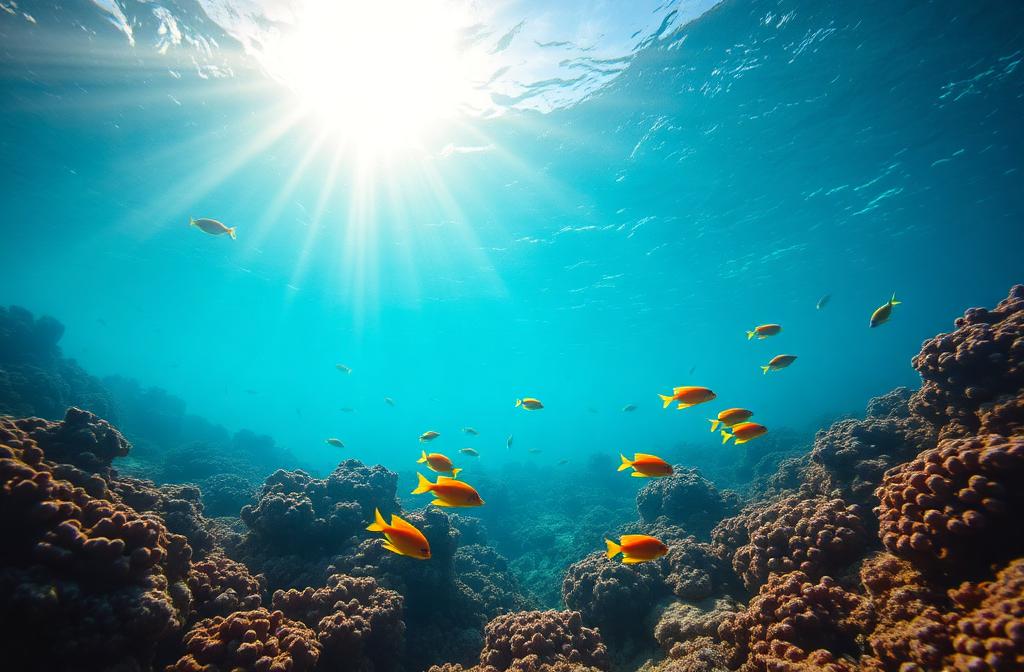
Paddle upstream against gentle current to Rainbow Springs head, then float back. Crystal visibility, abundant wildlife, beginner-friendly. Multiple launch points.
Ichetucknee River
Paddle or tube through spring-fed paradise
Same route as tubing but with more control. Kayaks and canoes share the river. Great for photography and swimming stops.
🛶 Spring Paddling Tips
- Morning paddles have better wildlife viewing and fewer crowds
- Clear-bottom or glass-bottom kayaks enhance the experience
- Polarized sunglasses are essential to see underwater
- Go upstream first, then float back downstream with less effort
- Bring a waterproof camera or phone case—you'll want photos!
🦭 Manatee Viewing Springs
When Gulf waters cool below 68°F, West Indian manatees seek warm refuge in Florida's springs. This creates magical opportunities to see—and sometimes swim with—these gentle giants in crystal-clear water.
Best Manatee Viewing Springs
🏆 Three Sisters Springs (Crystal River)
The premier manatee swim destination. Snorkel with manatees in crystal-clear spring water. Access by kayak, paddleboard, or guided tour only during manatee season.
- Season: November - March (peak: December-February)
- Access: Kayak/paddleboard or guided tour only
- Rules: Passive observation—let manatees approach you
Blue Spring State Park
Large manatee aggregation site (200-500 manatees in peak season). Swimming prohibited during manatee season, but excellent boardwalk viewing.
- Location: Orange City (near Orlando)
- Season: November - March (park closes to swimming)
- Unique: Manatee count posted daily; free to view
Manatee Springs State Park
First-magnitude spring on the Suwannee River with regular manatee visitors in cooler months.
- Location: Chiefland (North Florida)
- Season: Winter months
- Activities: Swimming, diving, kayaking when manatees aren't present
Homosassa Springs Wildlife State Park
Year-round manatee rehabilitation and viewing. Underwater observatory provides unique perspectives.
- Location: Homosassa (Nature Coast)
- Unique: "Floating" underwater observatory, resident hippo (Lu)
- Swimming: Not permitted—viewing only
✅ Manatee Interaction Guidelines
- Look, but don't chase: Let manatees approach you
- One hand only: If a manatee approaches, use one hand for gentle passive contact
- No riding: Never attempt to hold, ride, or restrain manatees
- Give space: Never corner, surround, or separate manatees
- Observe from distance: If you see calves, maintain extra distance
📅 Planning Your Spring Visit
Best Seasons
🌸 Spring (March-May)
Perfect water temperature, blooming wildflowers, moderate crowds. Excellent for swimming and kayaking before summer heat.
☀️ Summer (June-August)
Peak tubing season. 72°F water is refreshingly cool. Weekends very crowded—arrive before 9 AM. Afternoon thunderstorms common.
🍂 Fall (September-November)
Fewer crowds, warm air temps, excellent conditions. Late fall sees early manatee arrivals at some springs.
❄️ Winter (December-February)
72°F water feels warm! Prime manatee season. Some swimming areas close for manatee protection. Excellent for photography.
What to Pack
- Water shoes: Essential for rocky spring bowls
- Reef-safe sunscreen: Protect springs from chemical pollution
- Snorkel gear: Many springs have excellent snorkeling
- Waterproof phone case: For underwater photos
- Cooler with ice: (Reusable, no styrofoam)
- Cash: Some springs have limited card acceptance
- Towels and change of clothes: For after your swim
Admission & Reservations
Most state park springs charge $6-8 per vehicle. Some popular springs require reservations:
- Ichetucknee: No reservations, but capacity limits on summer weekends
- Kelly Park (Rock Springs): Online reservations required for weekends
- Devil's Den: Reservations required year-round
- Blue Spring (manatee season): May reach capacity early
- Ginnie Springs: Private; no reservations but admission fees apply
🌿 Conservation & Protection
Florida's springs are fragile ecosystems fed by groundwater that takes years to filter through limestone. What you do on land—and in the water—directly affects spring health.
Threats to Florida Springs
- Nitrate pollution: From fertilizers, septic tanks, and agriculture
- Reduced flow: Groundwater pumping decreases spring output
- Algae blooms: Excess nutrients cause overgrowth
- Sunscreen chemicals: Oxybenzone and octinoxate harm aquatic life
- Physical damage: Standing on formations, anchor damage
How You Can Help
✅ Spring-Friendly Practices
- Use mineral sunscreen: Zinc oxide or titanium dioxide only
- Apply sunscreen 30 minutes before swimming: Allows absorption
- Never touch spring vents or formations: Fragile ecosystems
- Pack out all trash: Including food waste
- Use reusable containers: Many springs ban disposables
- Report pollution: Florida DEP hotline: 1-800-342-1821
- Support spring conservation: Florida Springs Council, Howard T. Odum Florida Springs Institute
💧 Florida's Liquid Treasures
Florida's springs are among the state's most precious natural resources—windows into the aquifer that provides drinking water for millions. By visiting responsibly, using reef-safe products, and supporting conservation efforts, you help ensure these crystal-clear wonders remain pristine for future generations.
Whether you're floating down a lazy spring run, diving into underwater caves, or simply cooling off in 72°F water on a summer day, Florida's springs offer experiences found nowhere else on Earth.