Things to Do in Cancún — Ruins, Reefs & Nightlife
Explore Cancún's blend of ancient Mayan ruins, world-class snorkeling, and legendary nightlife.
By BeachLoco Editorial Team
Cancún straddles two worlds — the turquoise Caribbean playground of the Hotel Zone and the ancient Mayan civilization whose ruins still rise from the Yucatán jungle. This duality gives the destination a range of experiences unmatched by most beach resorts: you can snorkel a coral reef in the morning, explore a thousand-year-old pyramid in the afternoon, and dance at a world-class nightclub after midnight, all without leaving the greater Cancún area.
This guide focuses on what to actually do in and around Cancún — the activities, excursions, and experiences worth building a trip around, and how to plan them. If you are still deciding where to stay or which stretch of coast suits you, start with our broader Cancún Beach Gateway, then come back here to plan your days.
How to Plan Your Cancún Activities
Most Cancún activities fall into three geographic rings, and grouping them that way saves hours of transit. The first ring is the Hotel Zone itself — beaches, water sports, the lagoon, the nightlife district, and the Museo Maya are all along Kukulcán Boulevard. The second ring is the water just offshore: Isla Mujeres, the MUSA sculptures, and the reefs off Puerto Morelos. The third ring is the Yucatán interior and the Riviera Maya, where the cenotes, eco-parks, Tulum, and Chichén Itzá sit anywhere from a half hour to two or more hours away.
- Short stay (3–4 days): Keep to the first two rings — a beach day, a snorkel or MUSA trip, a day on Isla Mujeres, and one night out.
- One week: Add one long excursion (Chichén Itzá or Tulum) and one cenote or eco-park day, and leave at least one unscheduled beach day between big outings.
- Ten days or more: Consider splitting your stay and basing yourself further south for part of the trip so the Riviera Maya activities are not all long round-trip drives.
Beaches and Water Activities

Cancún's beaches are the foundation of everything. The Hotel Zone's 14-mile stretch of Caribbean-facing sand features water that shifts between turquoise, emerald, and cobalt depending on depth and weather. The northern beaches (Playa Las Perlas through Playa Tortugas) face the calmer Bay of Mujeres, making them ideal for families with young children. The eastern beaches, from Playa Delfines south, face the open Caribbean with stronger waves preferred by bodyboarders and surfers.
Playa Delfines — also known as El Mirador — offers the most photogenic public beach experience, with the iconic CANCÚN sign as a backdrop. Unlike the resort-fronted beaches, Delfines is wide, uncrowded, and backed by a high bluff with panoramic viewing platforms. No hotels, no vendors — just Caribbean water and white sand in their purest form.
Water Sports in the Hotel Zone
Beyond swimming, the Hotel Zone is built for time on the water. Parasailing, jet skis, kayaks, and stand-up paddleboards are offered from many beaches and marinas along Kukulcán Boulevard. The calmer northern beaches facing the Bay of Mujeres are the better choice for paddleboarding and kayaking, while the open-Caribbean eastern beaches suit confident swimmers and bodyboarders. Always check the beach flag system before entering the water — red and black flags on the eastern beaches are common when the surf is up.
The Nichupté Lagoon
Behind the Hotel Zone lies the Nichupté Lagoon, a mangrove-lined system that most visitors only see from a hotel balcony. Guided "jungle tours" take small speedboats or kayaks through the mangrove channels and out toward the reef, and the lagoon side is also where many sunset cruises and paddle outings start. Swimming in the lagoon itself is not recommended — it is home to crocodiles — so treat it as a place to explore by boat.
Snorkeling and Diving
Snorkeling in Cancún ranges from casual reef exploration to genuinely world-class underwater experiences. The MUSA Underwater Museum (Museo Subacuático de Arte) features over 500 submerged sculptures by artist Jason deCaires Taylor, designed to foster coral growth while creating an otherworldly diving experience. Located in the waters between Cancún and Isla Mujeres, MUSA is accessible by snorkel or scuba, with operators departing from both locations.
The Mesoamerican Barrier Reef — the world's second-largest reef system — begins south of Cancún and extends through the Riviera Maya. Puerto Morelos, a 20-minute drive south, offers excellent reef snorkeling in a marine park with clear, calm waters. For cenote diving, the freshwater sinkholes of the Yucatán interior provide crystalline visibility and surreal limestone formations — Cenote Dos Ojos and Gran Cenote near Tulum are among the most spectacular.
Cenotes
Cenotes — natural sinkholes that open onto the Yucatán's underground river system — are one of the experiences you genuinely cannot get at other Caribbean beach destinations. The water is fresh, cool, and often astonishingly clear, filtered through limestone. Some cenotes are open-air pools ringed by jungle; others are partially or fully enclosed caverns lit by shafts of sunlight.
The closest concentration to Cancún is the Ruta de los Cenotes, a road running inland from Puerto Morelos lined with a series of cenotes of different sizes and styles, many with platforms, rope swings, or zip lines. Further south, the cenotes around Tulum — including Dos Ojos and Gran Cenote, mentioned above — are the best known and the most popular with snorkelers and cavern divers.
- Swimming and snorkeling: Most cenotes are suitable for confident swimmers; life jackets are commonly available or required.
- Cavern diving: Requires certification and a specialist guide. Cave diving beyond the light zone is a separate, advanced discipline.
- Etiquette: Many cenotes require a shower before entry and prohibit sunscreen and insect repellent to protect the water.
- Timing: Go early. Popular cenotes fill with tour groups by late morning.
Archaeological Sites and Cultural Excursions
Chichén Itzá — one of the New Seven Wonders of the World — lies roughly two hours from Cancún by car or tour bus. The Temple of Kukulcán, with its famous spring equinox shadow serpent, is the centerpiece of a vast archaeological complex that includes a ball court, observatory, and sacred cenote. Arriving at opening time (8 AM) or booking a private tour that accesses the site before general admission are the best strategies for avoiding crowds.
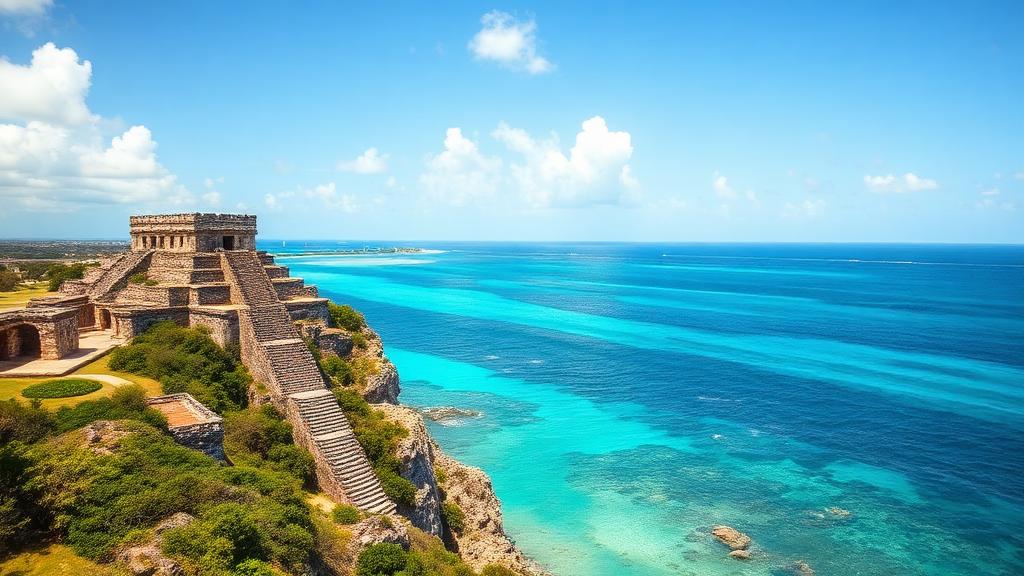
Tulum sits on a cliff overlooking the Caribbean roughly 80 miles south of Cancún, combining Mayan ruins with one of the most photographed beach backdrops in the Americas. The walled city, which served as a major port in the late Mayan period, offers a more intimate and scenic archaeological experience than Chichén Itzá, with the bonus of a swimmable beach directly below the ruins.
Closer to Cancún, the El Rey ruins within the Hotel Zone itself and the nearby San Miguelito archaeological site provide Mayan cultural context without the long drive. The Museo Maya de Cancún, adjacent to San Miguelito, houses an excellent collection of pre-Columbian artifacts.
Choosing between them: Chichén Itzá is the bigger, more historically significant site and the right choice if you only see one major ruin; plan a full day. Tulum is easier to combine with a beach afternoon and a cenote. If you prefer a site where you can still climb, Cobá — inland from Tulum — is often added to Tulum day tours. At all of these sites, go early, bring water and a hat, and expect strong sun with limited shade.
Isla Mujeres
This small island, a 20-minute ferry ride from the Hotel Zone, offers a dramatically different pace from Cancún's resort energy. Golf carts replace cars on the narrow streets, and the beaches — particularly Playa Norte, consistently ranked among Mexico's finest — offer calm, shallow, impossibly clear water. The island's southern tip features a clifftop sculpture garden and the remains of a Mayan temple dedicated to Ixchel, the goddess of fertility and the moon.
Whale shark encounters (June–September) depart from Isla Mujeres, offering the opportunity to swim alongside the world's largest fish in the plankton-rich waters of the Afuera. This experience — regulated to protect the animals — is among the most extraordinary wildlife encounters available in the Caribbean.
Boating, Sailing, and Fishing
Getting out on the water is one of the defining Cancún experiences, and there is a format for every traveler. Catamaran day trips to Isla Mujeres are among the most popular, typically combining a sail across the bay with a snorkel stop and free time on the island. Sunset cruises depart from the Hotel Zone and lagoon side for an evening on the water, and private boat charters allow you to set your own snorkel and beach stops.
For anglers, Cancún and Isla Mujeres sit close to deep, productive water. Our guide to fishing charters in Cancún covers what to expect from inshore and offshore trips and how to choose a charter. Whatever you book, confirm what is included — gear, drinks, snorkel equipment, and marine park fees vary between operators.
Adventure Parks and Eco-Tourism
Xcaret, Xel-Há, and Xplor represent the Riviera Maya's trio of eco-adventure parks, each offering a different focus. Xcaret combines underground rivers, a coral reef aquarium, botanical gardens, and evening cultural shows. Xel-Há — a natural inlet — provides unlimited all-inclusive snorkeling in a calm, fish-filled lagoon. Xplor focuses on adrenaline: zip lines over jungle canopy, amphibious vehicles through underground caves, and river rafting through illuminated caverns.
For a less commercial eco-experience, the Sian Ka'an Biosphere Reserve south of Tulum offers guided boat tours through mangrove channels, lagoons, and the ancient Mayan canal system. This UNESCO World Heritage Site protects over 1.3 million acres of tropical forest, wetlands, and marine habitat — a reminder of what the Yucatán coast looked like before development.
Family Activities
Cancún works well for families when you choose the right beaches and pace the excursions. The northern Hotel Zone beaches, such as Playa Langosta and Playa Tortugas, have gentler water than the eastern shore and are the easiest beach days with young children. Isla Mujeres' Playa Norte is famously shallow and calm, and a golf cart tour of the island is an easy, memorable day out.
- Eco-parks: Xcaret and Xel-Há are full-day, all-in-one options that suit families who want snorkeling, wildlife, and shows without organizing multiple stops.
- Gentle snorkeling: Calm, shallow reef snorkeling at Puerto Morelos or the lagoon at Xel-Há is better for children than open-water boat snorkeling.
- Culture without the long drive: The Museo Maya and the San Miguelito site in the Hotel Zone are an air-conditioned introduction to Mayan history that works for all ages.
- Pacing: Alternate excursion days with beach or pool days. Long drives to Chichén Itzá are hard on younger children.
Nightlife and Entertainment
Cancún's nightlife is legendary and concentrated in the Hotel Zone's Party Center, roughly between km 9 and km 10. Coco Bongo — part nightclub, part Cirque du Soleil — delivers an immersive spectacle of live performances, music, and visual effects. The City Nightclub, one of Latin America's largest, hosts international DJs and themed party nights. Mandala and Palazzo offer slightly more refined nightlife experiences with bottle service and VIP areas.
For something beyond the mega-clubs, the downtown Cancún scene — Parque de las Palapas and the surrounding streets — offers live music, local bars, and mezcal lounges that feel worlds away from the Hotel Zone party circuit. Fishing experiences can also extend into evening, with some operators offering sunset fishing trips that combine angling with cocktails on the Caribbean.
Shopping and Dining Districts
Shopping and eating out are activities in their own right in Cancún, and each district has a different feel. In the Hotel Zone, La Isla Shopping Village sits on the lagoon with waterfront walkways and restaurants, while Plaza Kukulcán offers air-conditioned shopping that doubles as a rainy-day option. The Party Center area near km 9 has the highest concentration of bars and restaurants open late.
Downtown, Mercado 28 is the classic stop for Mexican handicrafts, souvenirs, and casual local restaurants, and the area around Parque de las Palapas comes alive in the evening with food stalls and families. Bargaining is expected at the market stalls; it is not appropriate in fixed-price shops and restaurants.
Tours and Experiences Worth Booking
Many of Cancún's best experiences are easiest with a tour, either because of distance or because a guide adds real value. The categories that most often justify a booking are:
- Archaeological day trips to Chichén Itzá or Tulum, especially small-group or private tours that arrive early.
- Catamaran and Isla Mujeres trips combining sailing, snorkeling, and island time.
- Whale shark tours in season (roughly June–September), which require a licensed operator.
- Cenote tours that link several cenotes with transport and equipment included.
- Snorkel and dive trips to MUSA and the reefs off Cancún and Puerto Morelos.
When comparing tours, check group size, pickup location, how much time is actually spent at each stop, and whether entrance and marine park fees are included.
Seasonal Considerations for Activities
Timing affects which activities are at their best. Whale shark season runs roughly from June to September. The Atlantic hurricane season runs from June through November, with the highest risk typically late in the season, so build flexibility into boat trips booked during those months. Seaweed (sargassum) can affect some Caribbean beaches, most often in the warmer months; the bay-facing northern beaches and Isla Mujeres' Playa Norte are often less affected than the eastern shore, but conditions change, so check close to your travel dates. Winter brings drier weather and the busiest crowds at the major ruins and parks.
Local Tips
Use the public bus system (R1 and R2 routes) to travel along the Hotel Zone — it's cheap, frequent, and covers the entire strip. For day trips to ruins, hire a private guide rather than joining a large tour bus — the cost premium is modest for small groups, and the experience is incomparably better. Bring reef-safe sunscreen if you plan to snorkel or visit cenotes — conventional sunscreen is banned at many sites to protect the marine ecosystem.
Eat at least one meal in downtown Cancún (Ciudad Cancún) — the restaurants around Parque de las Palapas serve authentic Yucatecan cuisine at a fraction of Hotel Zone prices. And schedule your beach time strategically: mornings tend to be calmer and clearer, while afternoon breezes can kick up waves on the eastern beaches. The resort beaches are public in Mexico — all beaches below the high-tide line are federal property — so don't hesitate to walk the full length of the Hotel Zone shoreline.