Ultimate Guide to Gulf Coast Beaches
Florida's Gulf Coast anchors this guide, from the Emerald Coast's quartz-white sand to Sanibel's shelling — with Alabama, Mississippi, Louisiana and Texas covered too.
By BeachLoco Editorial
Florida holds the longest and most varied stretch of the Gulf Coast, from the emerald water and quartz-white sand of the Panhandle's Emerald Coast — Destin, Fort Walton Beach, Panama City Beach and the 30A communities — to the springs and mangroves of the Nature Coast and the shelling beaches of Sanibel, Naples and Fort Myers Beach. This guide starts there, then follows the same coastline across Alabama, Mississippi, Louisiana and Texas.
Driven end to end, a Gulf Coast road trip from the Florida Keys to the Texas-Mexico border covers roughly 1,600 miles — a practical multi-state driving route rather than an official coastline measurement — linking some of the most beautiful, diverse, and accessible beach destinations in the United States. From the barrier islands of Alabama to the jazz-infused coastline of Mississippi, the bayou-meets-beach culture of Louisiana, and the wild, windswept shores of Texas, it offers a beach experience for every temperament, budget, and travel style.
Why the Gulf Coast Is America's Beach Playground
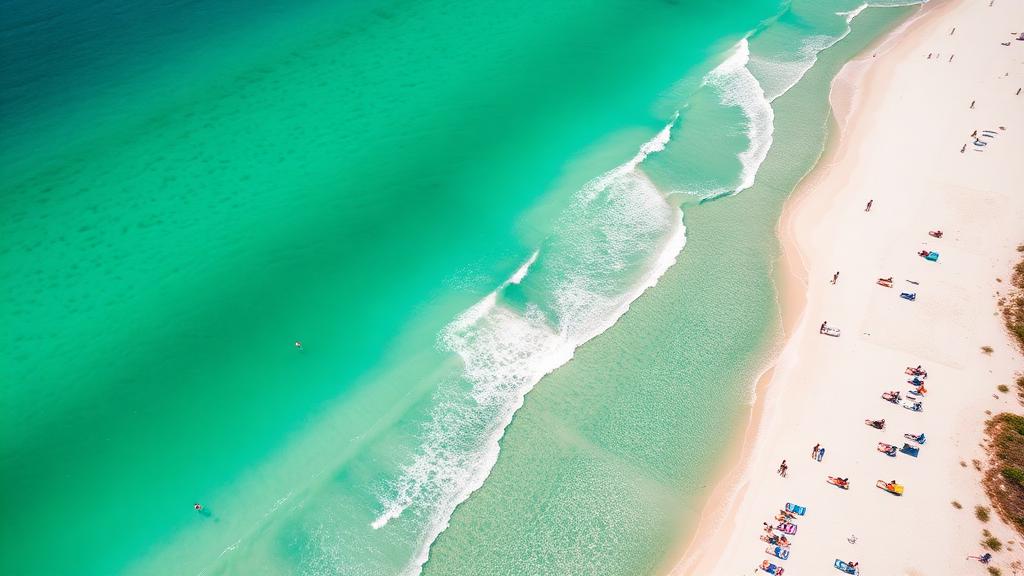
The Gulf of Mexico's warm, often sheltered waters create swimming and water sports conditions that many travelers prefer to the open Atlantic or Pacific. Gulf beaches are frequently calmer than Atlantic-facing shorelines, and summer water temperatures average 80–85°F. Conditions still vary by day, beach and weather system, however, and dangerous rip currents do occur along the Gulf — always check the local beach flag warnings before entering the water.
The cultural diversity along the Gulf Coast adds a dimension that single-state coastlines lack. Drive the coastal highway and you'll pass through communities with distinct French Creole, Spanish, Southern, Caribbean, and Tejano influences — each contributing unique cuisine, music, architecture, and hospitality styles to the beach experience. A Gulf Coast road trip isn't just a beach vacation; it's a cultural tour of the American South's most dynamic and diverse region.
Florida's Gulf Coast
The Emerald Coast (Destin, Fort Walton Beach, Panama City Beach) delivers the Gulf's most visually stunning water. The emerald-to-turquoise color comes from a combination of factors: fine white quartz sand on the seabed, shallow water, strong sunlight, and relatively low sediment along this stretch of coast. Destin anchors the region with its legendary fishing fleet and restaurant scene. Panama City Beach offers 27 miles of family-friendly sand. Fort Walton Beach and the 30A communities provide quieter, more architecturally refined alternatives.
The Big Bend and Nature Coast — the curve of coastline running from the Panhandle's eastern edge down through Crystal River toward the Tampa Bay area — offers a completely different Gulf experience. Here, the shoreline is defined by salt marsh, mangrove fringe, shallow estuaries and freshwater springs rather than sandy beaches. Crystal River's manatee encounters are the region's signature draw.
Southwest Florida (Naples, Sanibel, Fort Myers Beach) combines beautiful Gulf beaches with upscale dining, shopping, and cultural amenities. Sanibel Island is world-famous for shelling, while Naples' elegant beach and downtown create a sophisticated coastal atmosphere. Fort Myers Beach offers a more casual, family-oriented alternative. Farther south, the Ten Thousand Islands and the Everglades close out Southwest Florida's coastline with mangrove kayaking routes and a vast wetland ecosystem.
Alabama's Gulf Coast
Alabama's 32-mile coastline punches far above its weight class in beach quality. Gulf Shores and Orange Beach feature the same sugar-white sand and emerald water as the Florida Panhandle, with a more laid-back atmosphere and generally lower prices. The Gulf State Park — 6,000 acres of coastal habitat with a stunning beach, hiking trails, and a new lodge — represents one of the best state park systems on any coastline. The National Shrimp Festival and the area's growing food scene have put Alabama's coast on the culinary map.
Mississippi's Gulf Coast
Mississippi's Gulf Coast centers on Biloxi, Gulfport, and the barrier islands that shelter the mainland shore. The casino district in Biloxi provides entertainment and nightlife options unique among Gulf Coast beach destinations. Ocean Springs — an arts community with galleries, restaurants, and the Walter Anderson Museum — represents the cultural heart of Mississippi's coast. Ship Island, accessible by ferry from Gulfport, offers pristine beaches and Civil War-era Fort Massachusetts — a day trip that combines history and beach time beautifully.
Louisiana's Gulf Coast
Louisiana's coastline is more marsh than beach, but the state's Gulf-adjacent destinations offer experiences found nowhere else. Grand Isle — Louisiana's only inhabited barrier island — provides excellent fishing, birding, and a rustic beach atmosphere flavored by Cajun culture. The food alone justifies a Louisiana Gulf Coast detour: fresh-boiled crawfish, Gulf oysters chargrilled with butter and Parmesan, and boudin sausage represent culinary traditions that have no equivalent anywhere else on the Gulf.
Texas Gulf Coast
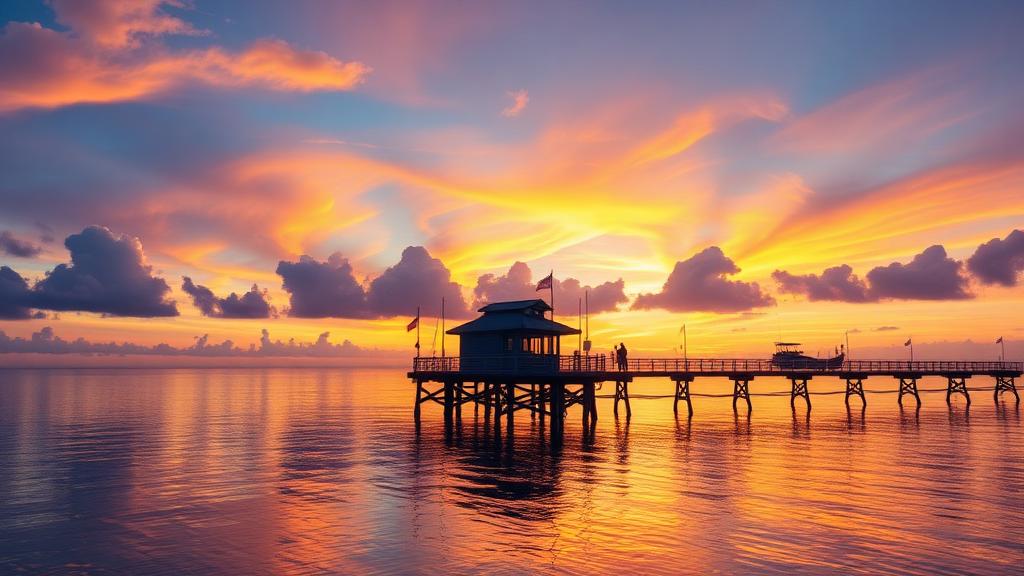
The Texas Gulf Coast spans over 350 miles, from the Cajun-influenced communities near the Louisiana border to the subtropical beaches of South Padre Island near Mexico. Galveston Island combines Victorian architecture with a lively beach and entertainment scene. Port Aransas offers the most authentic small-town fishing village atmosphere on the Texas coast. Padre Island National Seashore — the longest undeveloped barrier island in the world — provides 60+ miles of wild, windswept beach that feels like the end of the earth in the best possible way.
Best Time to Visit the Gulf Coast
The Gulf Coast beach season runs from March through October, with peak conditions (and crowds) from June through August. The sweet spot for most travelers is the shoulder seasons: April–May and September–October offer warm water, comfortable air temperatures, lighter crowds, and significantly lower accommodation rates. Winter travel along the Gulf Coast offers mild temperatures perfect for beach walks and outdoor dining, with dramatic rate reductions.
Where to Stay
Accommodation styles vary dramatically along the Gulf Coast. The Florida Panhandle and Alabama offer the most developed beachfront hotel and condo markets. Mississippi's casino resorts provide a unique entertainment-plus-beach combination. Louisiana and Texas coastal accommodations tend toward vacation rentals, fishing camps, and smaller independent hotels that reflect the more rural character of those coastlines.
Local Tips
A Gulf Coast road trip — driving the coastal highway from one end to the other — is one of America's great automotive adventures. Budget at least a week, plan stops in each state, and prioritize local restaurants over chains. The Gulf Coast seafood trail alone justifies the drive: Gulf shrimp in Alabama, po'boys in Mississippi, chargrilled oysters in Louisiana, and fresh-caught redfish in Texas create a culinary journey that parallels the geographic one.
The Gulf Coast's greatest strength is its variety — no other American coastline offers this range of beach experiences, cultural flavors, and natural environments within a single, drivable stretch. Whether you're seeking the polished resort experience of Naples or the wild solitude of Padre Island, the Gulf delivers.