Best Scuba Diving Destinations for First-Time Divers
Discover calm, crystal-clear waters and supportive dive environments perfect for your first underwater adventure.
By BeachLoco Editorial
78-84°F Year-Round
60-100+ Feet
Sea Turtles, Rays, Reef Fish
Beginner-Friendly
$400-$1,200 for Certification
Caribbean, Southeast Asia, Central America
The moment your regulator first delivers a breath of air underwater, everything changes. Your heart races, your eyes widen, and suddenly the world you've only seen in documentaries unfolds in three dimensions around you. Choosing where to experience that transformative first dive matters enormously — the right destination removes barriers and lets you focus entirely on the wonder.
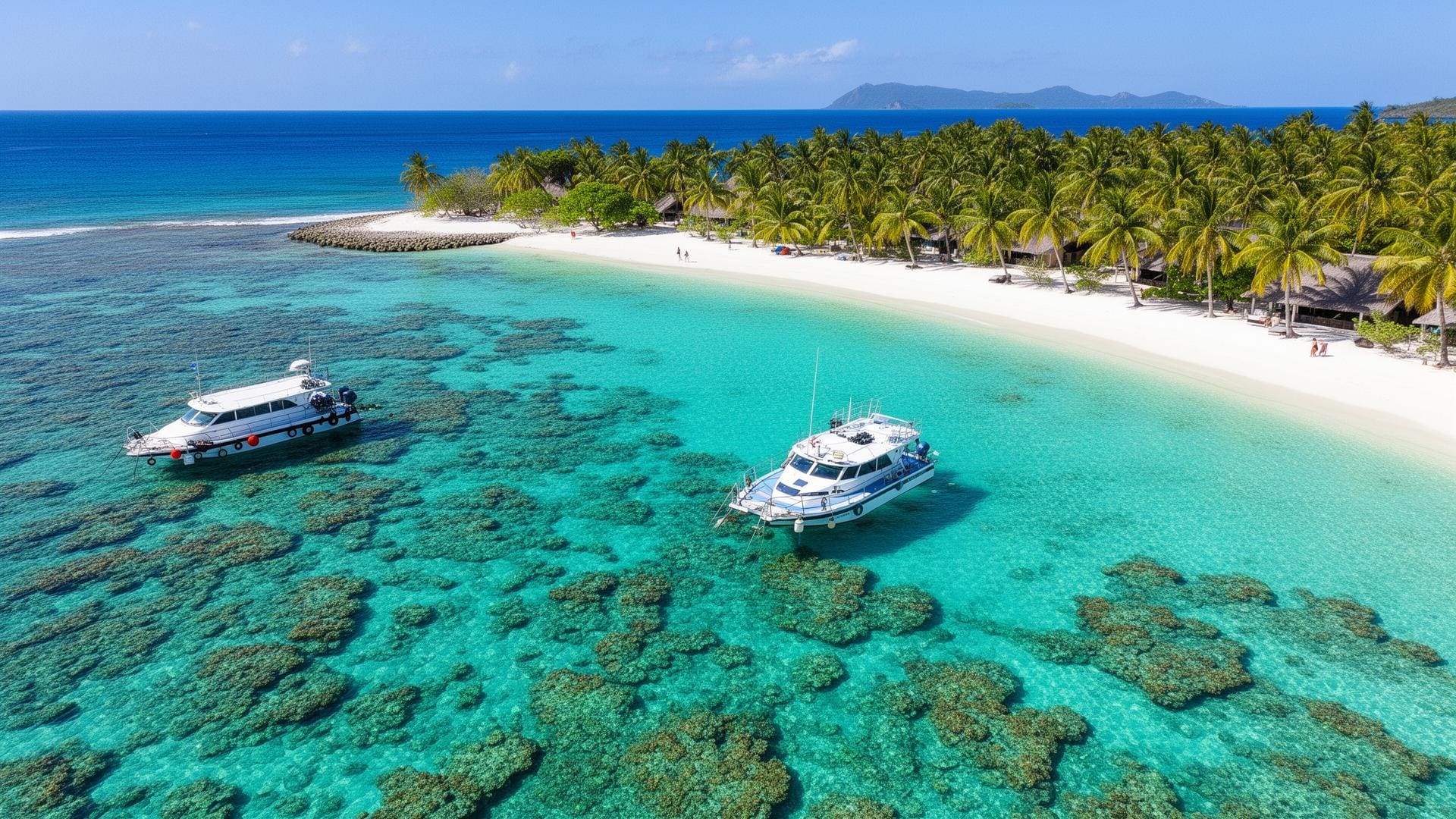
The world's best beginner dive sites share something in common: they let you focus on the experience, not the anxiety. Warm waters eliminate the chill that can cut dives short. Excellent visibility means you can see your instructor clearly and track your position on the reef. Gentle currents allow you to hover effortlessly without fighting the water. Professional operations with experienced instructors create the safety net that transforms nervousness into confidence.
This guide explores destinations specifically suited for first-time divers — places where the combination of conditions, infrastructure, and marine life creates ideal learning environments. Whether you're earning your first certification or taking a discover scuba experience, these destinations give you the best possible introduction to the underwater world.
Cozumel, Mexico — Caribbean Clarity at Its Finest
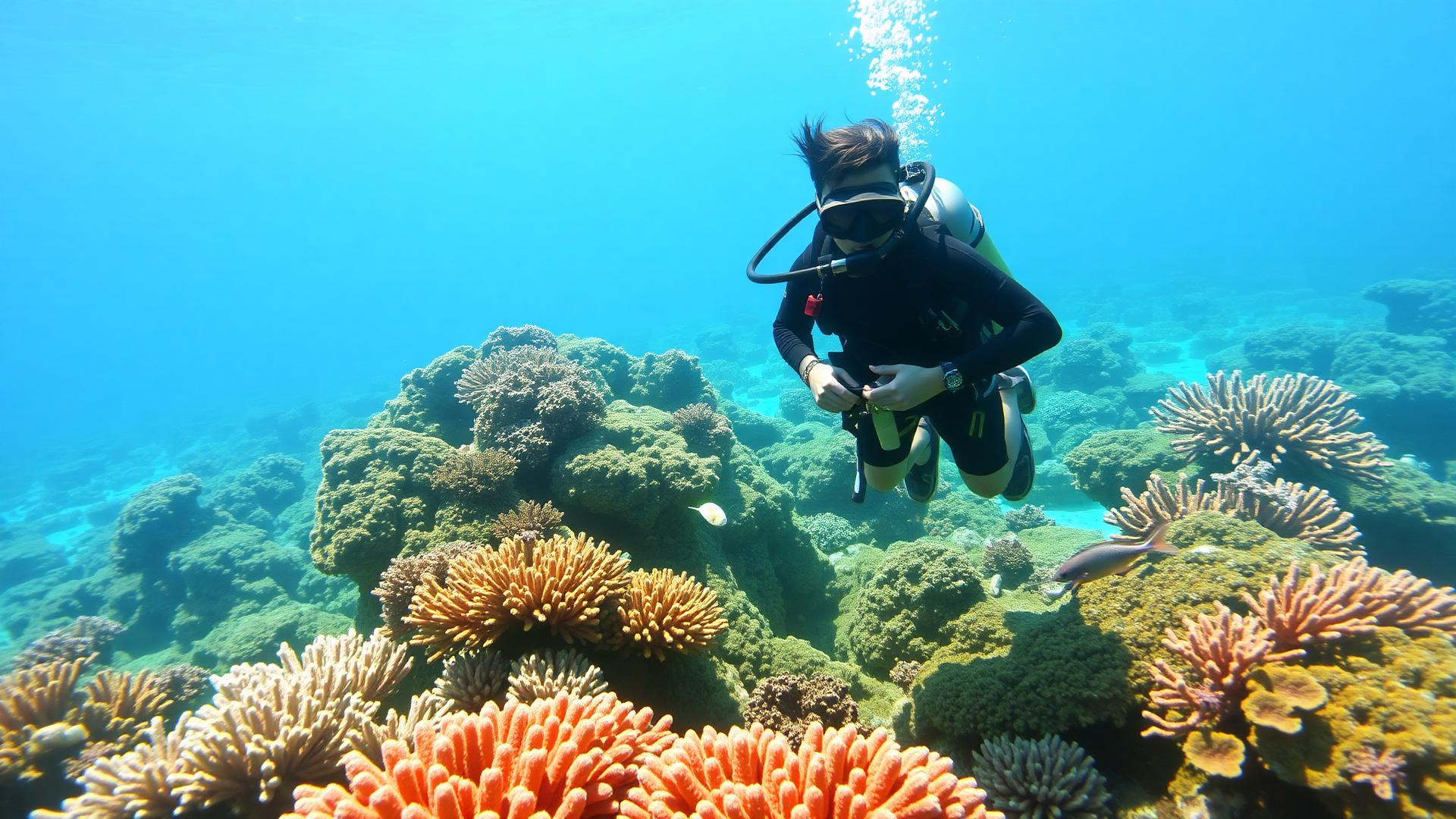
Cozumel consistently ranks among the world's top dive destinations for one simple reason: visibility that approaches the impossible. Protected from mainland runoff by its position 12 miles offshore, the island's reefs sit in waters so clear you'll wonder if you're floating in air rather than ocean.
The island's signature drift dives work perfectly for beginners. Rather than fighting current, you simply float along the reef wall as it scrolls past like a living documentary. Experienced dive masters position you in the gentle flow while pointing out Cozumel National Marine Park's residents: green sea turtles grazing on sponges, spotted eagle rays gliding past, moray eels peeking from crevices, and clouds of tropical fish that seem painted in impossible colors.
Water temperatures hover around 80°F year-round, meaning you'll dive in a thin wetsuit or even just a rashguard. Most dive operators offer excellent discover scuba programs that include a pool session, theory briefing, and two open-water dives — often completed in a single day. Sites like Paradise Reef, Chankanaab, and Colombia Shallows feature depths between 30-60 feet, perfect for newly certified divers building experience.
The island's dive infrastructure is among the world's most developed. Dozens of reputable operators compete for business, keeping quality high and prices reasonable. English is widely spoken, rental gear is well-maintained, and the short boat rides to dive sites minimize seasickness concerns.
Bonaire, Caribbean — Shore Diving Paradise
Bonaire revolutionized how beginners learn to dive through a simple innovation: the entire coastline is a protected marine park with numbered dive sites you can explore from shore. No boat required, no seasickness, no pressure from dive schedules — simply grab your gear, walk into the water, and discover an underwater world teeming with life.
The island's 86 official dive sites are marked with yellow stones along the coastal road. Many feature easy entries with gradual sandy slopes descending to healthy reef systems. You can dive independently after certification, returning to the same site multiple times as your skills develop. This freedom allows you to practice buoyancy, extend your bottom time gradually, and build confidence without the constraints of boat schedules.
Marine life in Bonaire's protected waters thrives without the fishing pressure found elsewhere in the Caribbean. Parrotfish crunch coral, angelfish drift past in pairs, seahorses hide in sea fans, and hawksbill turtles cruise the reef edges. The absence of strong currents means you can hover in one spot, watching the same coral head reveal its secrets over a 45-minute dive.
Water temperatures range from 78-84°F depending on season, with visibility typically exceeding 80 feet. The island's dry climate means calm conditions most of the year, though trades winds can create chop on the windward east coast. Most diving happens along the protected western shore, where conditions remain beginner-friendly year-round.
Koh Tao, Thailand — The World's Certification Capital
More divers earn their certification in Koh Tao than almost anywhere else on Earth. This small island in the Gulf of Thailand has perfected the art of transforming complete beginners into confident divers through a combination of perfect conditions, affordable pricing, and sheer volume of experience.
Competition among the island's 50+ dive schools keeps quality high and prices remarkably low. A full PADI Open Water certification costs around $280-350 USD, including all materials, equipment rental, and four open-water dives. The process typically takes 3-4 days, though accelerated programs exist for time-pressed travelers.
Training takes place in shallow protected bays where water temperatures average 82°F and visibility reaches 20-40 feet — not the clearest in the world, but perfectly adequate for learning skills. After certification, you'll explore sites around the island including Japanese Gardens (coral formations, not an actual garden), Southwest Pinnacle (schooling barracuda and occasional whale sharks), and White Rock (night diving with bioluminescent plankton).
The island's backpacker culture adds a social dimension to the diving experience. You'll likely share your certification course with travelers from around the world, forming bonds over shared achievements and evening celebrations. Accommodations range from basic bungalows to comfortable resorts, and the island's restaurants serve excellent Thai cuisine at local prices.
Best conditions run from March through October, when the Gulf of Thailand calms between monsoon seasons. November through February brings occasional rough weather that can postpone boat dives, though sheltered sites remain accessible.
The Florida Keys — World-Class Diving Without a Passport
For North American travelers, the Florida Keys offer world-class diving just hours from major cities. John Pennekamp Coral Reef State Park protects the only living coral barrier reef in the continental United States, with shallow sites perfect for new divers and iconic landmarks that provide unforgettable first underwater memories.
The Christ of the Abyss statue has welcomed divers since 1965. This nine-foot bronze figure stands at 25 feet, arms raised toward the surface, creating one of diving's most photographed scenes. For a first certified dive, descending to meet Christ creates an emotional moment that transforms a sport into something closer to a pilgrimage.
Key Largo hosts the densest concentration of dive operators, with shops ranging from no-frills training factories to luxury liveaboard experiences. Molasses Reef, French Reef, and Grecian Rocks provide excellent shallow diving with abundant marine life. Water temperatures range from 68°F in winter to 86°F in summer, with visibility typically between 40-80 feet.
The Keys' proximity to the Gulf Stream brings occasional surprise visitors including manta rays, whale sharks, and migrating pelagics. While these encounters aren't guaranteed, they add excitement to every dive. Spiny lobsters, nurse sharks, moray eels, and countless tropical fish species are reliable residents.
Diving is possible year-round, though summer offers the warmest, calmest conditions. Winter brings cooler water but often improved visibility. Hurricane season (June-November) occasionally disrupts operations, so flexibility helps when booking during this period.
Roatán, Honduras — Mesoamerican Reef Wonder
Part of the world's second-largest barrier reef system, Roatán combines Caribbean warmth with extraordinary biodiversity at prices that make the Caribbean accessible to budget travelers. The island's western end features calm protected waters specifically suited for training dives, while more advanced sites await as your skills develop.
The Mesoamerican Barrier Reef stretches 700 miles from Mexico's Yucatan through Belize, Guatemala, and Honduras. Roatán sits at the system's southern end, where the reef wall drops dramatically just offshore. This creates unique opportunities: you can complete your open-water certification in shallow sheltered waters, then drift along a wall that plunges thousands of feet just 20 yards away.
Dive operators on Roatán understand beginner needs. Many offer extended discover scuba programs that spread training across multiple days, allowing anxiety to dissipate and skills to solidify. Half Moon Bay and West End Wall feature gentle conditions and resident populations of green turtles, eagle rays, and reef sharks that add excitement without danger.
Water temperatures remain steady at 80-84°F year-round. Visibility typically exceeds 80 feet, sometimes stretching past 100 feet during optimal conditions. The island's mountainous terrain blocks trade winds from the east, keeping western dive sites calm when other Caribbean locations experience rough conditions.
Whale sharks occasionally visit the deeper waters around Roatán, though sightings aren't predictable. The resident marine life more than compensates: schooling horse-eye jacks, midnight parrotfish, flamingo tongue snails, and the occasional manatee near the mangrove forests.
The Maldives — Luxury and Learning Combined
If your first dive deserves a spectacular setting, the Maldives delivers like nowhere else on Earth. Crystal-clear waters, abundant marine life, and world-renowned resort infrastructure create an environment where learning to dive feels less like training and more like transformation.
Water temperatures average 82-84°F throughout the year, with visibility regularly exceeding 100 feet. The archipelago's 26 atolls offer protected lagoons perfect for training alongside channels where currents attract pelagic species. Your certification dives might include encounters with reef sharks, sea turtles, and manta rays — wildlife that divers elsewhere spend careers pursuing.
Resort dive centers cater to every level of experience. Many operate state-of-the-art training facilities with heated pools, multimedia classrooms, and instructor ratios that provide essentially private lessons. Equipment is typically top-of-the-line and meticulously maintained. The cost reflects this premium positioning — expect to pay $600-1,000 for certification, not including resort accommodation.
The northeast monsoon (November-April) brings the clearest skies and calmest seas, making it the peak season for diving and tourism. The southwest monsoon (May-October) brings plankton blooms that reduce visibility but attract filter-feeding mantas and whale sharks to the western atolls. Both seasons offer excellent diving, just different character.
What Makes a Destination Beginner-Friendly
Choosing your first dive destination involves more than finding warm water and fish. The best beginner destinations combine environmental factors with operational excellence:
Water Temperature
Water above 78°F allows diving in minimal exposure protection — a thin wetsuit or even just a rashguard and shorts. This reduces equipment complexity, increases comfort, and extends bottom time by reducing the body's heat loss. Cold water requires thicker wetsuits or drysuits, adding buoyancy challenges that distract from skill development.
Visibility
Clear water matters enormously for beginners. Seeing your instructor clearly builds confidence. Tracking your position on the reef provides spatial orientation. Visibility above 60 feet creates that "flying through space" sensation that makes diving addictive. Murky water, even if rich with life, can trigger anxiety in new divers.
Current
Strong currents demand finesse that beginners haven't developed. Fighting current exhausts air supply, increases anxiety, and prevents the relaxed hovering that proper buoyancy requires. The best beginner sites feature minimal current or gentle drifts where the water does the work while you enjoy the view.
Infrastructure
Established dive operations with experienced instructors, well-maintained rental equipment, and proper safety protocols create the framework for successful learning. Look for operators affiliated with major training agencies (PADI, SSI, NAUI), positive online reviews, and longevity in their markets.
Marine Life
While conditions matter most for learning, memorable marine encounters transform diving from exercise into passion. Destinations with reliable wildlife — sea turtles, reef sharks, rays, octopuses, and colorful reef fish — provide the "wow" moments that fuel a lifetime of diving.
Planning Your First Dive Trip
Your first dive trip requires more planning than subsequent adventures, but the process rewards attention to detail:
Choose Your Path
Will you get certified before traveling or earn your certification on location? Home-pool training followed by tropical open-water dives offers comfort and convenience. Destination certification immerses you completely but requires committing time during your trip. Referral programs split the difference — complete classroom and pool sessions at home, then do open-water dives abroad.
Budget Realistically
Certification costs range from $280 in Thailand to $1,000+ in the Maldives. Equipment rental typically adds $30-50 per dive. Post-certification fun dives average $80-150 for two-tank boat trips. Factor accommodation, flights, and food for total trip costs. Quality training costs more but pays dividends in confidence and skills.
Pack Smart
Most destinations provide all necessary equipment. Consider bringing your own mask (fit matters enormously), a dive computer if you plan to continue diving, and reef-safe sunscreen (required by law in many destinations). A packing list for beach travel applies here, with additions for dive-specific needs.
Build in Flexibility
Weather, equipment issues, and unexpected circumstances can disrupt dive schedules. Build buffer days into your trip so cancelled dives don't cascade into disappointment. Plan alternative activities — snorkeling, kayaking, beach time — that let you enjoy your destination even if diving gets postponed.
Frequently Asked Questions
What is the minimum age for scuba certification?
Most agencies certify Junior Open Water Divers at age 10, with full Open Water certification available at 15 (PADI/SSI) or 15 (NAUI). Younger children can participate in supervised discover scuba programs in shallow water.
Can I dive if I wear glasses or contacts?
Yes. Many divers wear contact lenses underwater without issues. Prescription dive masks are also available for purchase or rental at most destinations. Daily disposable contacts work best for diving, as the slight exposure to saltwater won't damage expensive monthly lenses.
How long does it take to get certified?
A full Open Water certification typically takes 3-4 days, including classroom theory, confined water skills sessions, and four open-water dives. Some programs compress this into 2 days, while others spread it across a week for more relaxed learning.
What if I feel claustrophobic or anxious underwater?
Mild anxiety is normal and usually dissipates with practice. Quality instructors know how to help anxious students through gradual exposure and confidence-building exercises. The clear, warm waters at beginner destinations minimize triggers. If anxiety persists, many people successfully manage it through specialized courses or slower progression.
Do I need to be a strong swimmer to dive?
You need basic swimming ability — certification requires swimming 200 meters (or 300 meters with mask, snorkel, and fins) and floating for 10 minutes. You don't need to be an athlete. Buoyancy equipment supports you underwater, and the best dive sites have minimal currents.
Can I fly immediately after diving?
No. Wait at least 18-24 hours after your last dive before flying. This allows residual nitrogen to exit your tissues and prevents decompression sickness. Plan your trip so diving happens at least a full day before your departure flight.