Caribbean Dive Destinations: Region-by-Region Guide
From the Mesoamerican Reef to the ABC Islands—explore the Caribbean's diverse underwater worlds and find your perfect dive destination.
By BeachLoco Editorial
78-86°F Year-Round
60-150+ Feet
1,500+ Species
6 Major Diving Zones
December-April
$80-$200 per 2-Tank Dive
The Caribbean Sea stretches across 1.6 million square miles of tropical blue, its waters warming over volcanic ridges and ancient coral formations that create some of Earth's most accessible and spectacular diving. From the protected reefs of Cozumel to the dramatic walls of Grand Cayman, from the pristine wilderness of Bonaire to the legendary wrecks of Grenada, the Caribbean offers diving experiences for every skill level, budget, and interest.
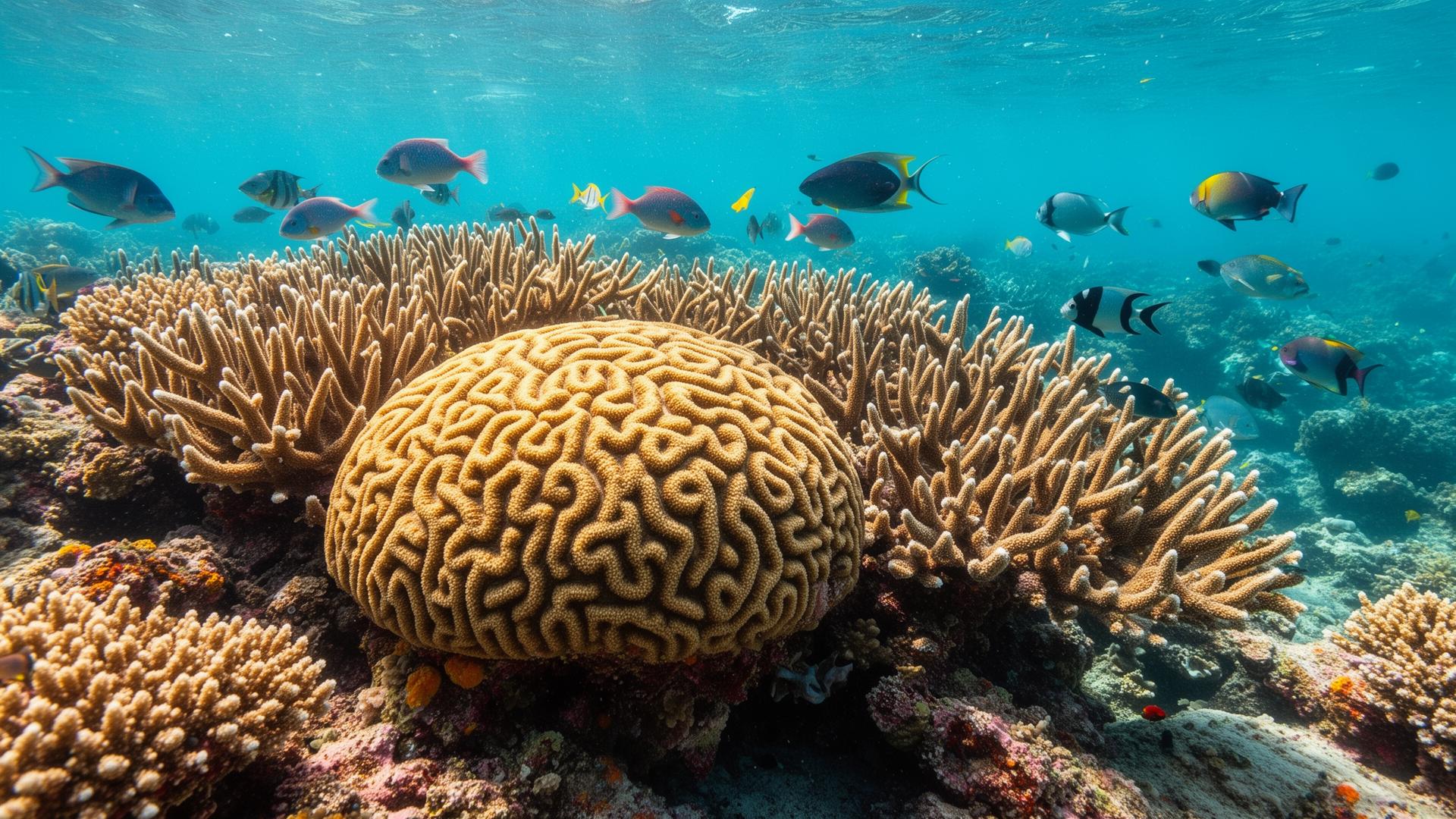
This isn't just one destination — it's a continent of underwater worlds, each island and region developing its own character through geography, conservation practices, and marine life patterns. Understanding these regional distinctions helps you choose destinations that match your skills, expectations, and the specific experiences you're seeking.
This region-by-region guide breaks down the Caribbean's major dive destinations, comparing conditions, highlighting signature experiences, and helping you plan dive trips that deliver exactly what you're looking for.
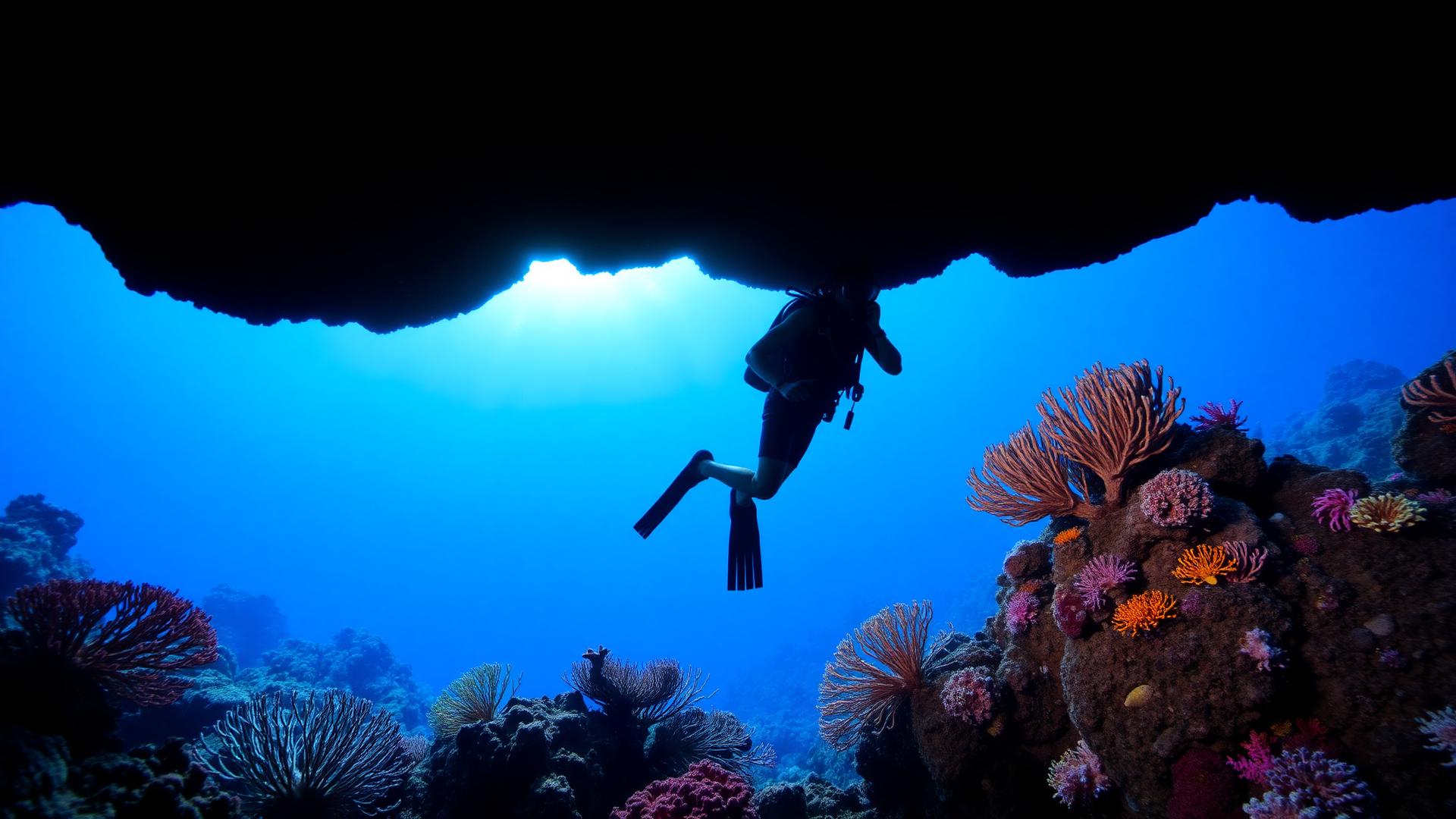
The Mexican Caribbean: Cozumel and the Yucatan
Cozumel has earned its reputation as the Caribbean's premier drift diving destination through a combination of ideal geography and rigorous protection. The island sits 12 miles offshore from the Yucatan Peninsula, positioned to receive the Caribbean Current's crystal-clear waters before they pick up mainland sediment. The result: visibility routinely exceeding 100 feet and drift dives that feel like flying through an underwater aquarium.
Cozumel's Signature Experience
Drift diving along the island's protected west coast defines the Cozumel experience. You descend, orient yourself against the reef wall, and simply float as the gentle current carries you past towering coral formations, schools of horse-eye jacks, spotted eagle rays cruising the sand channels, and resident sea turtles who've learned to ignore the procession of divers drifting past.
The island's marine park status (since 1996) has created thriving ecosystems with strict protections against fishing, anchoring, and collection. Splendid toadfish — found nowhere else on Earth — hide in crevices. French angelfish pair for life, their blue-and-yellow patterns standing out against the purple sea fans. Nurse sharks rest under coral heads during daytime dives.
Beyond the Drifts
While drift diving dominates, Cozumel offers variety: night dives reveal the reef's nocturnal inhabitants (octopuses hunting, bioluminescent plankton glowing), and the C-53 wreck sits upright in 80 feet of water, now colonized by coral and serving as artificial reef.
Mainland Alternatives
The Riviera Maya coastline south of Playa del Carmen offers cenote diving — descending into freshwater sinkholes that connect to vast underground cave systems. These aren't ocean dives, but they represent diving's most otherworldly experiences: crystal visibility, ancient geological formations, and the surreal experience of sunbeams streaming through jungle openings into depths of fresh water.
Isla Mujeres and Playa del Carmen become the Caribbean's whale shark capital from June through September, when hundreds of these gentle giants gather to feed on summer plankton blooms.
The ABC Islands: Bonaire, Curacao, and Aruba
The Netherlands Antilles pioneered marine conservation in the Caribbean, establishing protections that created today's thriving reef systems. Bonaire, in particular, revolutionized dive access through its unique shore diving model.
Bonaire: Shore Diving Paradise
Bonaire's genius was recognizing that divers don't always need boats. The entire windward coast is a marked shore diving trail, with 86 official sites accessible by walking into the water from beach or rocky entry points. Numbered yellow stones guide you to each site; comprehensive dive guides describe what you'll find at each.
This freedom transforms how you dive. No boat schedules constrain you. Return to the same site for dawn, midday, and night dives. Practice skills repeatedly at sites matched to your ability. Bonaire creates independent divers who learn to plan, navigate, and execute dives without constant professional guidance.
The marine life rewards this patience: seahorses hiding in seagrass beds, frogfish camouflaged on sponges, spotted eagle rays cruising the drop-offs, and hawksbill turtles grazing on reef sponges. The absence of fishing pressure means marine life behaves naturally, approaching divers rather than fleeing.
Curacao and Aruba
Curacao offers similar conditions to Bonaire with less developed dive infrastructure — fewer marked sites but equally healthy reefs. The island's distinctive is the Mushroom Forest, where massive star coral heads have formed bizarre mushroom shapes over centuries of growth.
Aruba, the most touristy of the ABC Islands, focuses diving around its signature attraction: the Antilla wreck. This 400-foot German freighter, scuttled during World War II, now rests in shallow water accessible to all certification levels. The massive hull structure, coral growth, and resident fish populations create one of the Caribbean's most impressive wreck dives.
The Cayman Islands: Walls and Wrecks
Grand Cayman, Cayman Brac, and Little Cayman rise from oceanic depths, their cliff-like walls plunging thousands of feet just offshore. This dramatic geography creates wall diving experiences unmatched elsewhere in the Caribbean.
Grand Cayman Highlights
Stingray City needs no introduction — this shallow sandbar where wild southern stingrays congregate for handouts has become one of diving's most iconic experiences. Beyond the tourism, Grand Cayman offers serious diving: the North Wall drops from 50 feet to over 6,000 feet, the Kittiwake wreck (a former submarine rescue vessel) was intentionally sunk to create artificial reef, and the east end offers remote sites with pelagic encounters.
Little Cayman: Bloody Bay Wall
Little Cayman's Bloody Bay Wall may be the Caribbean's most dramatic dive site. The wall begins at just 18 feet — practically snorkeling depth — then plunges vertically past recreational limits into abyssal darkness. Coral growth on this wall rivals anywhere on Earth, with massive sponges, sea fans, and soft corals creating underwater gardens that seem to defy gravity.
The Western Caribbean: Honduras, Belize, and Beyond
The Mesoamerican Barrier Reef — the world's second-largest reef system after Australia's Great Barrier Reef — runs from Mexico's Yucatan through Belize, Guatemala, and Honduras. This 700-mile living structure creates some of the Caribbean's most diverse and accessible diving.
Roatán, Honduras
Roatán has become the Caribbean's budget dive destination without sacrificing quality. Full Open Water certifications cost $250-350, compared to $500+ in more expensive islands. The barrier reef runs parallel to the island just offshore, creating short boat rides to sites where tropical fish, reef sharks, and sea turtles are daily sightings.
The island's western end — protected from trade winds — offers beginner-friendly conditions: gentle currents, warm water, and dive operations experienced at building new diver confidence. More advanced sites along the north shore feature current, deeper walls, and occasional whale shark encounters.
Belize: The Blue Hole and Atolls
The Great Blue Hole — a 1,000-foot-wide, 400-foot-deep limestone sinkhole visible from space — anchors Belize's dive reputation. This advanced dive (typically to 130 feet) features ancient stalactites formed when the Blue Hole was an air-filled cave during ice ages. Caribbean reef sharks patrol the hole's edges.
Beyond the Blue Hole, Belize's offshore atolls — Lighthouse Reef, Turneffe, and Glover's Reef — offer remote diving with excellent visibility and healthy fish populations. Liveaboard trips access sites that day boats can't reach.
The Eastern Caribbean: From Grenada to the Virgin Islands
The Eastern Caribbean island chain offers distinct experiences at each stop, from wreck diving capitals to underwater sculpture museums to pristine volcanic formations.
Grenada: Wreck Capital
Grenada earned its "Wreck Diving Capital of the Caribbean" title through an impressive collection of sunken vessels. The Bianca C — a 600-foot cruise liner that sank after an explosion in 1961 — ranks among the world's great wreck dives. Shallower wrecks including the Veronica L and various sailing vessels offer easier access.
Beyond wrecks, Grenada's Underwater Sculpture Park features haunting human figures submerged in shallow water, now colonized by coral and fish. This artificial reef doubles as an art installation.
The U.S. and British Virgin Islands
The BVI's RMS Rhone wreck rivals the Bianca C in reputation. This 1867 mail steamer broke apart during a hurricane and now rests in two sections, the deeper stern at 80 feet and the shallower bow at 30 feet. The site's long history means coral growth has transformed the wreck into a living reef.
The USVI — St. Thomas, St. John, and St. Croix — offer easy access from the United States mainland with no passport required. Cane Bay's wall on St. Croix drops from 40 feet to over 6,000 feet, while Buck Island's underwater trail provides marked snorkeling paths over protected reef.
Planning Your Caribbean Dive Trip
With dozens of destinations competing for attention, choosing where to dive depends on matching your priorities to each region's strengths:
For Beginners
Start where conditions forgive mistakes: Bonaire's shore diving, Cozumel's gentle drifts, or Roatán's warm protected sites. These destinations combine excellent conditions with infrastructure designed to build confidence.
For Advanced Divers
Seek challenge and reward: Belize's Blue Hole, Little Cayman's Bloody Bay Wall, or Grenada's deep wrecks. Current, depth, and technical requirements match the dramatic experiences these sites offer.
For Underwater Photographers
Visibility and marine life density matter most. Cozumel and the Caymans consistently deliver the crystal water that makes images pop. Bonaire's unhurried shore diving allows extended time with subjects.
For Budget Travelers
Roatán and Cozumel offer excellent diving at reasonable prices. Both have competitive dive industries that keep costs manageable while maintaining quality.
Frequently Asked Questions
What is the best time of year for Caribbean diving?
December through April offers the best overall conditions: calm seas, excellent visibility, and comfortable air temperatures. Hurricane season (June-November) brings occasional disruptions but also lower prices and fewer crowds. Water temperature remains warm year-round.
Which Caribbean island has the best diving for beginners?
Bonaire and Cozumel compete for the title. Bonaire's shore diving allows unlimited practice at your own pace, while Cozumel's gentle drift dives and crystal visibility create forgiving conditions. Both have extensive beginner-focused infrastructure.
Is Caribbean diving better than diving in Southeast Asia?
Neither is objectively better — they offer different experiences. The Caribbean excels at visibility, ease of access, and relaxed diving pace. Southeast Asia offers more dramatic biodiversity, lower prices, and different marine life including muck diving and massive schools of fish.
How much does diving cost in the Caribbean?
Two-tank boat dives typically cost $80-150 depending on location (Roatán is cheapest, the Caymans most expensive). Shore diving in Bonaire eliminates boat costs after initial equipment rental ($25-40/day). Certification courses range from $250 (Honduras) to $600+ (Caymans).
Can I see sharks while diving in the Caribbean?
Yes. Caribbean reef sharks are common at wall dives throughout the region. Nurse sharks rest under coral heads in many locations. The Bahamas offers organized shark dives with multiple species. Hammerhead sightings occur occasionally at exposed sites.