How to Choose Your First Scuba Diving Trip
From certification requirements to destination selection—a beginner's guide to planning your first dive travel experience.
By BeachLoco Editorial
3-4 Days Typical
$280-$1,000+ USD
Home Pool + Tropical Finish
PADI, SSI, NAUI
10 Years (Junior), 15 Years (Full)
Basic Swimming Ability
The decision to become a scuba diver opens a lifetime of underwater adventures. But choosing where and how to get certified — and where to take that first post-certification trip — requires navigating a sea of options, each with its own tradeoffs between convenience, cost, quality, and experience.
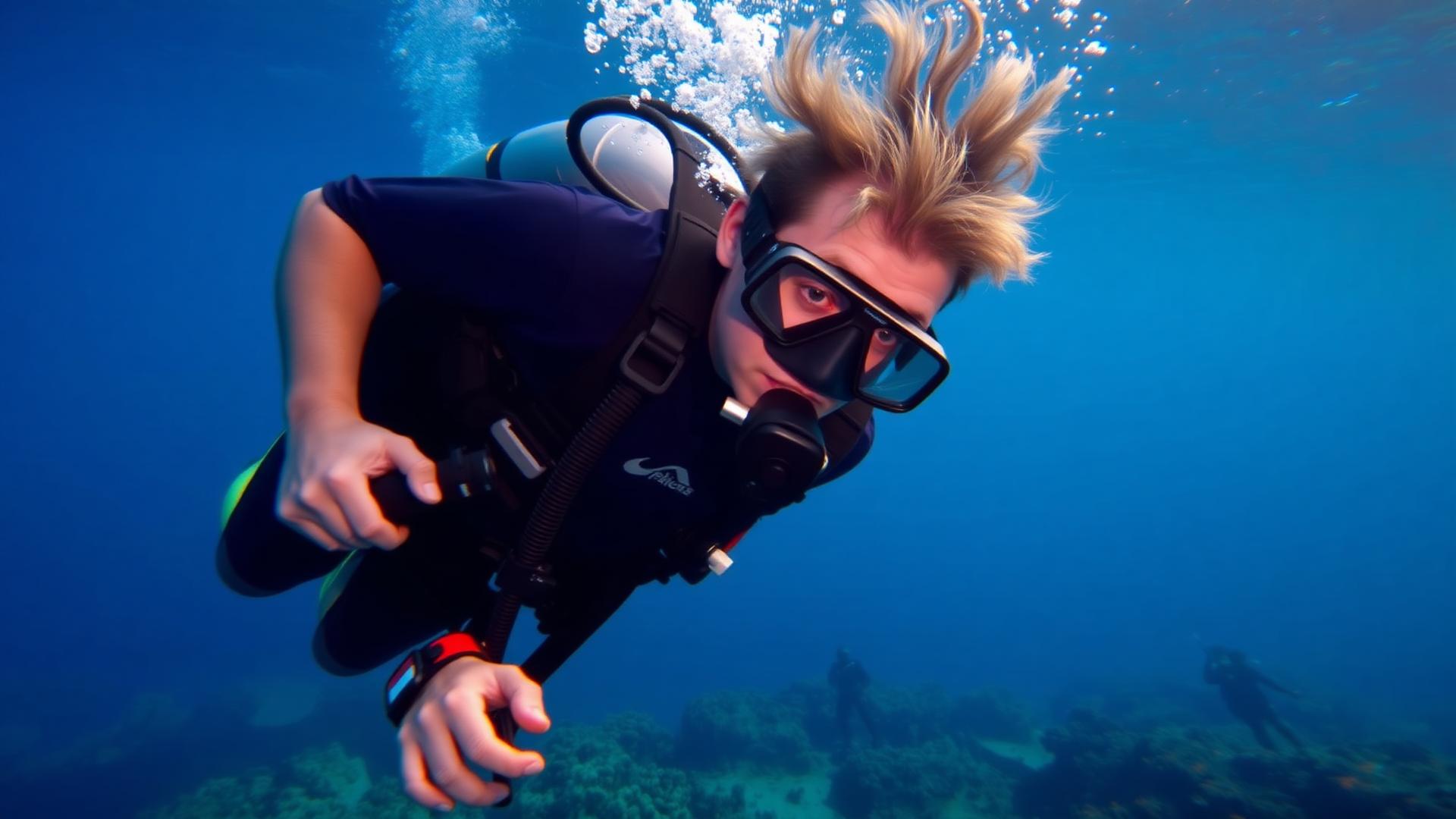 first open water dive in tropical blue water" loading="lazy" />
This guide walks you through the complete process of planning your first scuba diving trip, from selecting a certification path to booking your first post-certification adventure. Whether you're dreaming of Caribbean reefs, Southeast Asian diversity, or something closer to home, these steps will set you up for success.
Certification Pathways: Three Options
Before you dive anywhere, you need a certification card ("C-card") recognized by dive operations worldwide. Three basic pathways exist, each with distinct advantages:
Option 1: Certify at Home
Complete your entire certification — classroom, pool sessions, and open-water dives — at a local dive shop before your trip. This approach offers several advantages:
- No time pressure: Spread learning over weeks, mastering each skill before moving on
- Familiar environment: Learn in a pool and local dive site you can return to for practice
- Flexibility: If weather cancels a dive, reschedule easily
- Arrive certified: Your vacation dive time goes to fun dives, not training
The downside: open-water dives in cold, limited-visibility quarries or lakes aren't as magical as tropical reefs. Many divers find local conditions less inspiring than where they ultimately want to dive.
Option 2: Certify on Location
Travel to a destination and complete your entire certification there. This path puts you in tropical conditions from the first open-water breath:
- Beautiful conditions: Learn in warm, clear water with real reef marine life
- Immersive experience: Total focus on diving without work/life distractions
- Lower cost (sometimes): Certification in Thailand or Honduras costs half of U.S. prices
- Immediate fun dives: After certification, continue diving at the same destination
The downside: certification typically takes 3-4 days of your vacation. If you only have a week, half goes to training. Schedule disruptions (weather, equipment, illness) can cascade into cancelled completion.
Option 3: Referral Certification (Best of Both)
Complete classroom theory and pool skills at home, then finish your four open-water dives at a tropical destination. This hybrid approach offers:
- Skills preparation: Master fundamentals before arriving
- Tropical completion: Your first real-world dives happen in ideal conditions
- Time efficiency: Only 1-2 days of vacation go to training dives
- Confidence boost: Arrive knowing you can clear a mask and recover a regulator
The downside: coordination between home shop and destination operator requires planning. Ensure your referral paperwork transfers correctly and both facilities use compatible training standards.
Choosing a Training Agency
Several international agencies offer recreational scuba certification. The major players:
PADI (Professional Association of Diving Instructors)
The world's largest dive training organization, with the widest network of affiliated dive centers. PADI materials are polished, eLearning options are excellent, and your card will be recognized everywhere. Some critics find PADI courses move too quickly, prioritizing throughput over mastery.
SSI (Scuba Schools International)
PADI's main competitor offers similar standards with different emphasis. SSI materials are digital-first, and their continuing education pathway links certifications into a progression system. Recognition is universal, and standards are equivalent to PADI.
NAUI (National Association of Underwater Instructors)
The oldest recreational dive training agency takes a more rigorous approach, with longer courses and higher skill requirements. NAUI divers often have stronger foundational skills, but course availability is more limited.
SDI/TDI (Scuba Diving International)
Known for flexibility in training approaches, SDI appeals to instructors who want more freedom in course delivery. Standards are equivalent to other agencies, though the network is smaller.
For most new divers, PADI or SSI are practical choices due to wide availability and recognition. The agency matters less than the individual instructor — a great teacher with any certification produces confident, capable divers.
Evaluating Dive Shops and Operators
Not all dive operations are equal. Whether certifying at home or abroad, evaluate potential operators on:
Safety Record and Standards
Ask about instructor-to-student ratios (ideally 4:1 or better for open-water dives), equipment maintenance schedules, emergency oxygen availability, and how they handle divers who aren't ready to progress. Quality operators welcome these questions; marginal ones get defensive.
Equipment Condition
Rental gear should be well-maintained and appropriate sized. BCDs with frayed straps, regulators that deliver air reluctantly, and wetsuits with broken zippers signal deferred maintenance. Ask to inspect equipment before committing.
Instructor Experience
How long has your potential instructor been teaching? What's their certification level? Instructor trainers and course directors have more experience than newly certified instructors, though enthusiasm sometimes compensates for experience. Ask about their teaching philosophy — some instructors focus on building genuine skills, others on checking boxes.
Reviews and Reputation
Check Google reviews, TripAdvisor, and ScubaBoard forums for operator feedback. Look for patterns in complaints (rushed courses, equipment problems, safety concerns) rather than individual negative reviews. Every operator has unhappy customers; consistent complaints indicate systematic issues.
Choosing Your First Post-Certification Destination
With C-card in hand, the world's oceans await. But some destinations serve new divers better than others. For your first post-certification trip, prioritize:
Warm Water
Water above 78°F eliminates the distraction of cold. You'll dive in minimal exposure protection, extend your bottom time, and focus entirely on the experience. The best beginner dive destinations all offer tropical or warm-temperate conditions.
Good Visibility
Clear water builds confidence. Seeing your dive guide clearly, tracking your buddy, and navigating the reef becomes intuitive when visibility exceeds 60 feet. Destinations like Cozumel, Bonaire, and the Maldives routinely offer 80-100+ foot visibility.
Minimal Current
Fighting current exhausts air supply, increases anxiety, and prevents the relaxed hovering that defines enjoyable diving. Seek sites with calm conditions or gentle drifts where the water carries you rather than challenges you. Advanced current diving can wait until you've logged more experience.
Professional Infrastructure
Established dive operations with experienced guides, well-maintained equipment, and proper safety protocols create the framework for successful diving. Destinations with mature dive industries — Cozumel, the Caymans, Bonaire, Thailand — have developed this infrastructure over decades.
Budgeting Your First Dive Trip
Dive trip costs vary enormously based on destination, accommodation level, and diving frequency. Build your budget around these components:
Certification Costs
If not already certified, plan $280-400 for certification in budget destinations (Thailand, Honduras), $400-600 in mid-range markets (Florida, Cozumel), or $600-1,000+ in premium locations (Maldives, high-end Caribbean resorts).
Dive Costs
Post-certification diving typically costs $80-150 for a two-tank boat dive, including tanks, weights, and guide. Equipment rental adds $30-50 per day if you don't own gear. Bonaire's shore diving model reduces costs — after initial equipment rental ($25-40/day), each dive costs only your time.
Accommodation
Dive-focused accommodations range from $30/night hostels in Koh Tao to $500+/night luxury resorts in the Maldives. Mid-range dive resorts ($80-150/night) often include packages that bundle accommodation with daily diving at discounted rates.
Sample Budgets
Budget Week (Koh Tao, Thailand): Certification ($280) + 5 nights accommodation ($200) + 4 fun dives ($120) + food ($100) = ~$700 total
Mid-Range Week (Cozumel, Mexico): 7 nights hotel ($700) + 8 dives via boat ($360) + food and transport ($300) = ~$1,360 plus flights
Premium Week (Maldives Liveaboard): 7-night liveaboard with unlimited diving ($2,500-4,000) + flights ($500-1,500) = $3,000-5,500 total
Gear Considerations for New Divers
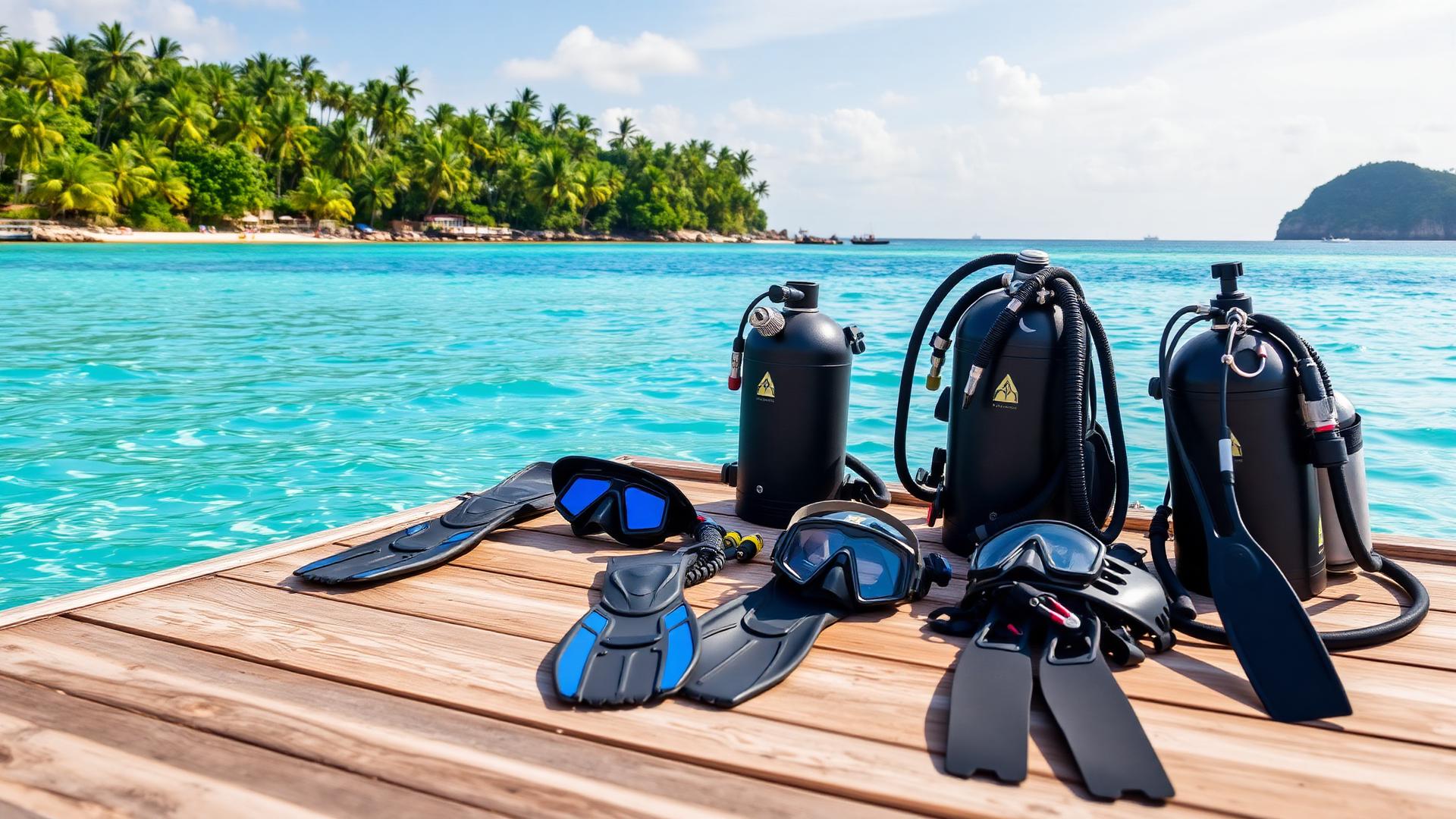
You don't need to own equipment to start diving, but certain items are worth purchasing early:
Must-Own: Mask
Mask fit is deeply personal. A mask that works for your instructor may leak constantly on your face. Invest $50-100 in a mask that seals perfectly, has good peripheral vision, and can accommodate prescription lenses if needed. Try multiple masks at a dive shop rather than buying online.
Consider Early: Dive Computer
A basic dive computer ($200-400) tracks your depth, time, nitrogen loading, and surface intervals automatically. While rental computers work fine, owning your own means consistency between dives and the ability to review your dive log. Wrist-mount computers double as daily watches.
Eventually: Exposure Protection
Wetsuits and rashguards sized to you fit better and feel better than rentals. If you'll dive regularly in similar conditions, owning a wetsuit makes sense. But if you'll travel to varied destinations, rental suits sized for local conditions may be more practical than traveling with multiple thicknesses.
Later: BCD, Regulators, Fins
Major equipment purchases make sense after you've logged 20-50 dives and understand your preferences. Rushing into a $1,500 BCD and regulator setup before you know what features matter to you often leads to regret. Rent while learning what you want.
Health and Medical Considerations
Scuba diving places unique physiological demands on your body. Address health considerations before training:
Medical Questionnaire
All certification courses require completing a medical questionnaire. Certain conditions (asthma, heart problems, seizure disorders, severe allergies) require physician clearance before diving. Be honest — diving with unaddressed conditions endangers your life.
Fitness Level
You don't need to be an athlete, but basic cardiovascular fitness makes diving more enjoyable. Swimming 200 meters without stopping and floating for 10 minutes are certification requirements. If these seem challenging, build fitness before starting training.
Ear Equalization
Descending requires equalizing pressure in your ears — the same sensation as during airplane descent, but more pronounced. Most people equalize naturally with practice. If you have chronic ear issues, consult an ear-nose-throat doctor before training.
Mental Preparedness
Mild anxiety is normal when learning to breathe underwater. Severe claustrophobia or panic disorders may require specific preparation or may contraindicate diving. Quality instructors know how to help anxious students, but some conditions require professional assessment.
Frequently Asked Questions
How long does scuba certification take?
A full Open Water certification typically takes 3-4 days, including classroom/eLearning (6-8 hours), confined water sessions (4-6 hours), and four open-water dives (typically two days). Some programs compress this timeline; others spread it over weeks.
Can I dive anywhere with an Open Water certification?
Open Water certification allows diving to 60 feet (18 meters) with a buddy of similar or higher certification. Deeper dives, wreck penetration, cave diving, and other specialty activities require additional training. Your certification is recognized worldwide at any affiliated dive operation.
Should I get certified at home or on vacation?
Both approaches work. Home certification offers no time pressure and familiar conditions; vacation certification puts you in ideal tropical waters. Referral programs (classroom/pool at home, open water abroad) offer a middle path. Your learning style and trip length should guide the decision.
What should I look for in a dive operator?
Prioritize safety: low student-to-instructor ratios, well-maintained equipment, emergency oxygen on site, and professional attitudes. Check online reviews for patterns of complaints. Ask about instructor experience. Trust your instincts — if something feels off, choose another operator.
How much should I budget for my first dive trip?
Budget destinations like Thailand or Honduras allow certification plus a week of diving for under $1,000 (excluding flights). Mid-range Caribbean trips run $1,200-2,000. Premium destinations like the Maldives can exceed $5,000. Daily diving after certification typically costs $80-150 for a two-tank boat trip.
What equipment should I buy before my first trip?
Start with a properly fitted mask ($50-100) — fit matters more than features. Consider a basic dive computer ($200-400) for consistency between dives. Everything else can be rented until you know your preferences after 20-50 dives.