Understanding Dive Conditions: What to Expect at Different Destinations
Water temperature, visibility, currents, and seasons—learn what conditions to expect and how they shape your diving experience.
By BeachLoco Editorial
60°F to 86°F Range
20-150+ Feet by Region
Calm to Strong Drift
Varies by Hemisphere
Critical for Safety
Research Before Booking
Two divers can visit the same reef on the same day and have completely different experiences. One floats effortlessly through crystal-clear water, marveling at sea turtles and vibrant coral. The other fights current, struggles with visibility, and spends the dive managing anxiety rather than enjoying wildlife. The difference? Understanding dive conditions and choosing destinations that match your skills, expectations, and comfort level.

Dive conditions aren't good or bad — they're simply characteristics that create different experiences. Strong currents that overwhelm beginners become magical carpet rides for experienced divers. Cold water that seems prohibitive in a thin wetsuit becomes perfectly comfortable in proper exposure protection. Reduced visibility that frustrates photographers creates the nutrient-rich waters that attract whale sharks and mantas.
This guide breaks down the major condition factors, explains how they vary by destination, and helps you choose dive trips that align with your current abilities while preparing you to expand your horizons.
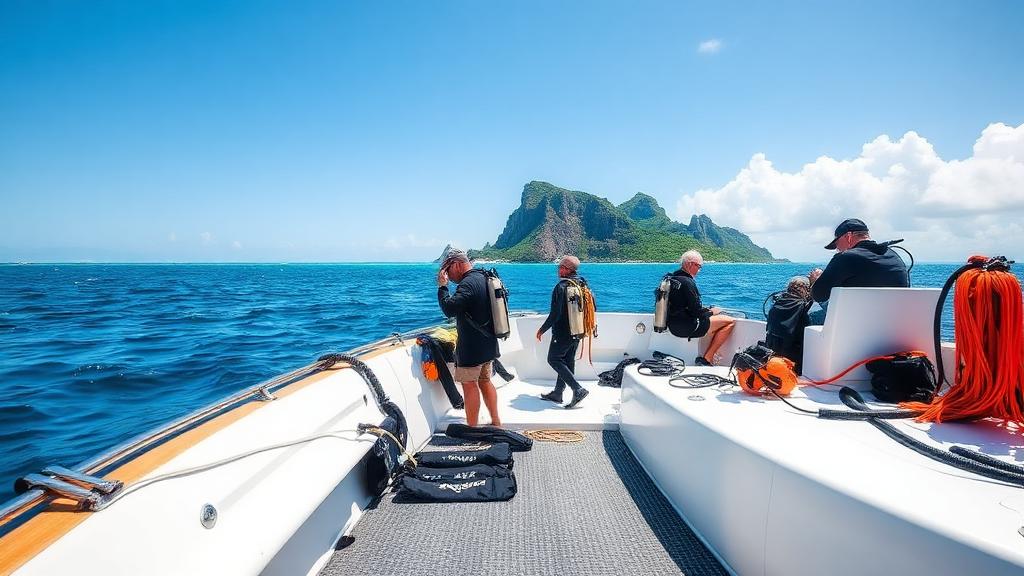
Water Temperature: The Comfort Foundation
Nothing affects dive comfort more directly than water temperature. Cold water saps body heat, shortens dive times, and demands specialized equipment that adds complexity. Warm water extends bottom time, simplifies logistics, and allows you to focus on the experience rather than the chill.
Tropical Waters (78-86°F)
The Caribbean, Southeast Asia, the Red Sea, and the Maldives offer year-round tropical diving. In these temperatures, a 3mm wetsuit provides adequate warmth for most divers, with many comfortable in just a rashguard. Dives can extend to 60+ minutes limited only by air consumption. No hood, no gloves, no thermal stress — just pure focus on the underwater world.
Destinations like Cozumel, Bonaire, and Koh Tao maintain tropical temperatures year-round, making them ideal for divers who prioritize comfort. The Florida Keys reach tropical temperatures in summer but cool significantly in winter months.
Temperate Waters (60-77°F)
California, the Mediterranean, Japan, and Southern Australia offer temperate diving with distinct seasonal patterns. These temperatures require 5-7mm wetsuits with hoods and gloves. Dives typically last 30-45 minutes before cold becomes distracting. The added gear increases buoyancy, requiring more weight and better trim skills.
Temperate waters often hold surprise benefits: cooler temperatures support kelp forests teeming with life, seasonal upwelling attracts migrating species, and fewer divers mean less crowded sites. Divers willing to embrace thicker exposure suits find extraordinary experiences waiting.
Cold Waters (Below 60°F)
The Pacific Northwest, British Columbia, Iceland, and polar regions offer cold-water diving that demands serious preparation. Drysuits become essential, requiring specialized training and practice. Dives may last only 20-30 minutes before cold affects decision-making. Equipment considerations multiply: regulators must be cold-water rated to prevent free-flow, and backup air sources become more critical.
Cold-water diving rewards the prepared: swimming with seals in British Columbia, descending beneath Arctic ice, and exploring kelp forests where sea otters play. These experiences aren't for beginners, but they represent diving's most dramatic frontier for those who progress.
Visibility: Seeing the Underwater World
Visibility measures how far you can see underwater — the distance at which objects fade from view. This single factor dramatically shapes the dive experience, affecting navigation, photography, and psychological comfort.
Crystal Clear (100+ Feet)
Places like the Red Sea, Cozumel, and the Maldives regularly offer visibility exceeding 100 feet. At these distances, you can see entire reef walls, track dive buddies at distance, and photograph subjects with natural light alone. The sensation approaches flying through space rather than swimming through water.
Crystal visibility usually indicates oceanic water with minimal sediment, plankton, or river influence. Islands positioned offshore — Cozumel, Bonaire, Roatán — typically enjoy clearer conditions than mainland sites affected by runoff.
Good Visibility (50-100 Feet)
Most popular dive destinations deliver visibility in this range during good conditions. Hawaii, Thailand, Indonesia, and the Bahamas typically fall here. You can see well enough to navigate confidently, appreciate marine life, and create good photographs. These conditions suit divers of all experience levels.
Moderate Visibility (20-50 Feet)
The Florida Keys, much of the Mediterranean, and many temperate locations regularly experience moderate visibility. Navigation becomes more challenging, requiring closer attention to compasses and natural features. Photography demands artificial light. Buddies must stay closer together.
Moderate visibility often indicates productive waters rich in plankton — the base of the food chain that attracts larger marine life. Some of the world's best whale shark and manta encounters happen in moderate visibility caused by plankton blooms.
Low Visibility (Below 20 Feet)
River estuaries, certain lakes, and locations after storms may experience low visibility. Navigation becomes challenging, anxiety can increase, and buddies must maintain contact distance. These conditions require experience, proper techniques, and often specialized lighting.
Low visibility isn't automatically bad — wreck divers in the Great Lakes, fresh water cenote explorers, and macro photographers often work in limited visibility by choice. But beginners should build skills in clearer water before tackling these environments.
Current: Moving Water
Underwater currents range from imperceptible to powerful forces that determine where you go regardless of your intentions. Understanding current patterns helps you choose appropriate sites and use moving water to your advantage.
No Current
Protected bays, lagoons, and leeward coastlines often feature minimal current. These conditions allow unrestricted movement in any direction, extended time hovering over interesting subjects, and relaxed navigation. Beginners do best in no-current environments where they can practice skills without fighting the water.
Gentle Drift (Less Than 1 Knot)
Cozumel's signature drift dives exemplify gentle current. The water carries you along at walking pace while you enjoy the passing scenery. No finning required — just control your buoyancy and watch the reef scroll past. This style of diving feels like an underwater moving walkway and becomes many divers' favorite experience.
Moderate Current (1-2 Knots)
At this strength, swimming against the current becomes difficult or impossible. You'll need to plan dives in one direction (downcurrent) and time entries to reach intended sites before the flow carries you past. Boat crews track bubble trails to collect divers wherever they surface.
Moderate currents often attract large marine life that ride the flow to feeding opportunities. Channels in the Maldives, passes in Palau, and cleaning stations throughout the tropics feature moderate currents that concentrate sharks, mantas, and schooling fish.
Strong Current (Over 2 Knots)
Sites like Peleliu Corner in Palau, Blue Corner in Cozumel, and certain Indonesian passages feature currents that exceed comfortable swimming speed. Divers hook onto rocks, hold onto reef features, or use current shadows behind boulders. Entries and exits require precise timing and technique.
Strong current sites reward advanced divers with remarkable wildlife — patrolling sharks, spawning aggregations, and feeding frenzies that only occur where water moves powerfully. But these sites genuinely endanger beginners and should only be attempted after significant experience.
Seasonal Variations: Timing Your Trip
Conditions at any destination fluctuate with seasons, weather patterns, and biological cycles. Research the timing of your trip as carefully as you research the destination itself.
Monsoon Seasons
The Maldives, Thailand, and Indonesia experience distinct monsoon seasons that dramatically affect conditions. During the dry season (typically November-April in the Maldives), calm seas and excellent visibility prevail. The wet season brings rougher conditions but also plankton blooms that attract mantas and whale sharks. Neither season is objectively better — they're simply different.
Hurricane Season
The Caribbean and Gulf of Mexico see increased storm activity from June through November. Hurricanes obviously prevent diving, but even tropical storms can affect visibility for days afterward. Some operators close entirely during peak hurricane months; others simply monitor forecasts and adjust schedules as needed.
Temperature Seasons
Temperate destinations experience significant seasonal temperature swings. California diving in January (58°F) differs dramatically from August (72°F). The Mediterranean bottoms out around 55°F in winter but reaches 80°F in summer shallows. Plan exposure protection for the actual conditions you'll encounter.
Wildlife Seasons
Many marine animals follow predictable patterns: whale sharks aggregate off the Yucatan in summer, mantas visit specific Maldivian cleaning stations by season, great whites appear at Guadalupe from July to November, and humpback whales migrate past specific locations on schedule. Research wildlife seasons if specific encounters matter to your trip planning.
Surface Interval Considerations: Altitude and Flying
Conditions above water affect diving safety just as much as underwater factors. Two considerations demand attention: altitude and air travel.
Altitude After Diving
Driving to elevation after diving creates decompression risk similar to flying. If your trip involves mountain passes, high-altitude hotels, or scenic drives above 2,000 feet, factor surface intervals into your schedule. The same 18-24 hour guideline that applies to flying applies to altitude changes.
Pre-Flight Surface Intervals
All major training agencies recommend minimum 18-24 hour surface intervals before flying after diving. This allows residual nitrogen to exit tissues and prevents decompression sickness at cabin altitudes. Plan your last dive at least a full day before departure — ideally completing diving by the morning of the day before your flight.
Matching Conditions to Your Experience Level
Honest self-assessment prevents anxiety underwater and potential safety issues. Consider where you fall on this spectrum:
Newly Certified (0-20 Dives)
Seek warm water (above 78°F), good visibility (above 50 feet), minimal current, and shallow depths (under 60 feet). Destinations like Bonaire, Cozumel, and Koh Tao cater specifically to building confidence. Dive with guides who understand beginner needs and don't hesitate to call dives that exceed your comfort.
Intermediate (20-100 Dives)
You can handle moderate conditions: some current, reduced visibility, cooler water with proper exposure protection. Consider drift dives in Cozumel, deeper walls in the Blue Hole in Belize, or temperate destinations like California or the Mediterranean. Continue building skills while gradually expanding your comfort zone.
Experienced (100+ Dives)
Strong currents, cold water, limited visibility, and advanced sites become accessible. The world's most dramatic dive experiences — swimming with hammerheads at Cocos Island, descending beneath Antarctic ice, exploring deep wrecks — reward the experience and skills developed over hundreds of dives.
Researching Conditions Before You Book
Before committing to any dive destination, research typical conditions during your travel window:
- Check seasonal patterns: Weather services and dive forums provide historical condition data by month
- Read recent trip reports: ScubaBoard, dive center reviews, and travel blogs offer firsthand accounts
- Ask operators directly: Reputable dive centers answer condition questions honestly
- Build in flexibility: Weather changes plans; buffer days prevent disappointment
- Consider alternatives: Know backup sites if primary destinations experience poor conditions
Frequently Asked Questions
What is considered good visibility for diving?
Most divers consider 50+ feet good visibility, 80+ feet excellent, and 100+ feet exceptional. However, "good" is relative — experienced temperate-water divers may find 30 feet perfectly acceptable, while those accustomed to the Caribbean find it limiting.
How cold is too cold for diving without a drysuit?
Most divers find water below 60°F uncomfortably cold in wetsuits, even thick ones. Below 55°F, drysuits become the standard choice. However, tolerance varies — some divers wetsuit dive in the 50s, while others demand drysuits below 65°F.
Can beginners do drift dives?
Yes, gentle drift dives in places like Cozumel are actually ideal for beginners. The current does the work while you float and observe. Just ensure conditions are mild, you're diving with experienced guides, and the boat crew is accustomed to drift dive pickups.
What causes visibility to change at dive sites?
Visibility fluctuates due to plankton blooms, sediment stirred by storms or currents, river runoff after rain, tidal movements that shift water masses, and seasonal patterns. Even the same site can vary from 20 feet to 100 feet depending on conditions.
How do I know if conditions are safe before a dive?
Ask your dive guide for a thorough briefing including expected visibility, current strength and direction, water temperature, and depth profile. Good operators cancel or relocate dives when conditions exceed safe limits. Trust your instincts — if conditions exceed your comfort, there's no shame in sitting out a dive.